Samacheer Kalvi 10th Tamil Guide Chapter 3.3 மலைபடுகடாம்

Students can Download 10th Tamil Chapter 3.3 மலைபடுகடாம் Questions and Answers, Summary, Notes, Samacheer Kalvi 10th Tamil Guide Pdf helps you to revise the complete Tamilnadu State Board New Syllabus, helps students complete homework assignments and to score high marks in board exams.

Tamilnadu Samacheer Kalvi 10th Tamil Solutions Chapter 3.3 மலைபடுகடாம்

கற்பவை கற்றபின்

Question 1.
உணவு, விருந்து குறித்த பழமொழிகளைத் திரட்டி அவை சார்ந்த நிகழ்வுகளை எடுத்துரைக்க.
Answer:
அ) எ.கா : ‘உப்பிட்டவரை உள்ளளவும் நினை’
கதை – எறும்பும் புறாவும் :
குளத்து நீரில் விழுந்து தத்தளித்த எறும்பைத் தக்க சமயத்தில் புறாவானது ஓர் இலையைப் பறித்துப் போட்டு எறும்பை அதன்மீது ஏறி கரைக்கு வரச் செய்தது. செய்நன்றி மறவாத எறும்பானது மறுமுறை புறாவைக் கொல்ல வந்த வேடனின் காலைக் கடித்ததால் அவன் எய்த அம்பு தவறியது புறா காப்பாற்றப்பட்டது.

Samacheer Kalvi 10th Tamil Guide Chapter 3.3 மலைபடுகடாம்

ஆ) எ.கா : அளவுக்கு மீறினால் அமிர்தமும் நஞ்சு
கதை :
பல நாட்கள் பட்டினியாகக் கிடந்த எலி ஒன்று தானியங்கள் நிரப்பப்பட்ட ஓர் உயரமான பானையைப் பார்த்தது. உயரத்தில் ஏற முடியாத காரணத்தால் எலியானது பானையின் அடியில் உள்ள ஓட்டையின் வழியே உள்ளே சென்றது. அளவுக்கு அதிகமான தானியங்களை உண்டதால் வயிறு புடைந்தது. ஓட்டையை விட்டு வெளியேற முடியாத எலி மீண்டும் மீண்டும் முயன்று அதன் வயிறு கிழிந்தது. ஓட்டையை விட்டு வெளியேறிய சில நிமிடங்களிலே வலியால் துடித்துச் செத்தது.

Question 2.
பத்தியைப் படித்து வார இதழ் ஒன்றிற்கு அனுப்பும் வகையில் சமையல் குறிப்பாக மாற்றுக.
Answer:
கம்மங்கூழ் தயாரித்தல் :
பொசுக்குகிறது வெயில், ஒரு துளி மழை பட்டால் வறுத்த உளுத்தின் வாசம் பரப்பும் வறண்ட மண். வெடித்த நிலம் செழித்து விளைகிறது கம்மம் பயிர். உரலில் குத்தி, சுளகில் புடைக்க அதன் உழி நீங்கும். நீர் தெளித்துத் தெளித்து, மீண்டும் உரலில் இடிக்க அது ஒன்றுடன் ஒன்று ஒட்டி மாவாகும். உப்புக் கலந்து உலையில் ஏற்றி, கொதிக்கும் நீரில் கரையவிட்டுக் கிண்ட, கட்டியாகி அது சோறாகும். கம்மஞ் சோற்றை உருட்டி வைத்து, பின் மோர் விட்டுக் கரைத்தால் அது கம்மங்கஞ்சி அல்லது கம்மங்கூழ், மோர் மிளகாய் வற்றல், உப்பில் தோய்த்த பச்சை மிளகாய் அல்லது சின்ன வெங்காயம் கடித்துக் கஞ்சியைக் குடித்தால் உச்சி தொட்டு உள்ளங்கால் வரை தேகம் குளிர்ந்து போகும், அனல் அடங்கும். உயிர் வரும் கம்பு கறுப்பு நிறக் கரிசல் மண்ணின் இயற்கைத் தங்கம்.

Samacheer Kalvi 10th Tamil Guide Chapter 3.3 மலைபடுகடாம்

கம்மங்கூழ் : (தேவையான பொருட்கள்)

கம்மம் பயிர் – 2 கைப்பிடி
உப்பு – தேவைக்கு ஏற்ப
நீர் – தேவைக்கு ஏற்ப
மோர் – அரை லிட்டர்
மோர் மிளகாய் வற்றல் – 10 எண்ணம்
பச்சை மிளகாய் (அல்லது) சின்ன வெங்காயம் – தேவைக்கு ஏற்ப

செய்முறை :
கம்மம் பயிரை நீர் தெளித்துத் தெளித்து உரலில் இடிக்க அது ஒன்றுடன் ஒன்று ஒட்டி மாவாகும். அதனுள் தேவையான அளவு நீரும் உப்பும் சேர்த்து உலையிலிட்டால் அது இறுகி சோறாகும். அந்தச் சோற்றுடன் மோர் விட்டுக் கரைத்தால் கம்மங்கூழ் தயார். மோர் மிளகாய் வற்றல், பச்சை மிளகாய் அல்லது சின்ன வெங்காயத்தைக் கடித்துக் கொண்டு இக்கஞ்சியைக் குடிக்கலாம்.

பாடநூல் வினாக்கள்

பலவுள் தெரிக

Question 1.
“சிலம்பு அடைந்திருந்த பாக்கம் எய்தி” என்னும் அடியில் பாக்கம் என்பது
அ) புத்தூர்
ஆ) மூதூர்
இ) பேரூர்
ஈ) சிற்றூர்
Answer:
ஈ) சிற்றூர்

Samacheer Kalvi 10th Tamil Guide Chapter 3.3 மலைபடுகடாம்

குறுவினா

Question 1.
‘இறடிப் பொம்மல் பெறுகுவிர்’ – தொடர் உணர்த்தும் பொருளை எழுதுக.
Answer:
தினைச் சோற்றையும் உணவாகப் பெறுவீர்கள்.

சிறுவினா

Question 1.
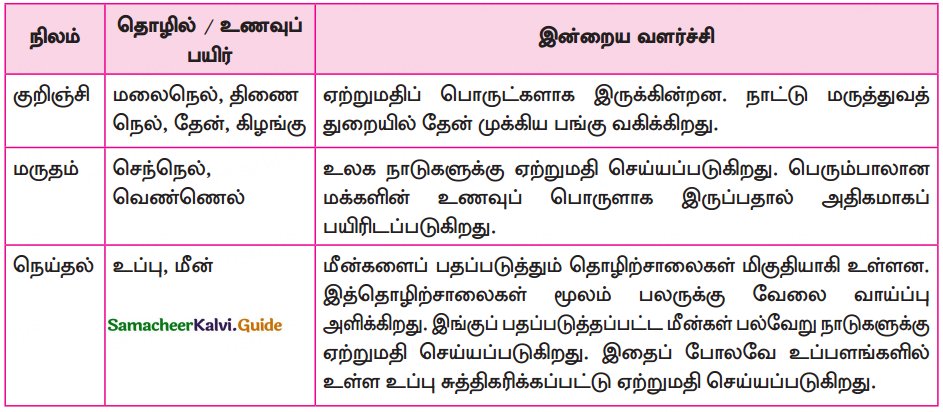
முல்லை நிலத்திலிருந்தும் மருத நிலத்திலிருந்தும் கிடைக்கும் உணவு வகைகள் யாவை?
Answer:
Samacheer Kalvi 10th Tamil Guide Chapter 3.3 மலைபடுகடாம் - 1

Question 2.
கூத்தனைக் கூத்தன் ஆற்றுப்படுத்தலைக் கூத்தராற்றுப்படை எவ்வாறு காட்டுகிறது?
Answer:
வழிகாட்டல் :
பகலில் இளைப்பாறிச் செல்லுங்கள். இரவில் சேர்ந்து தங்குங்கள். எரியும் நெருப்பைப் போல ஒளிரும் பூங்கொத்துகளைச் சுற்றத்தோடு அணிந்து கொள்ளுங்கள். சிவந்த பூக்கள் கொண்ட அசோக மரங்கள், மூங்கில்கள் ஓசை எழுப்பும் மலைச்சரிவில் உள்ள சிற்றூரை அடையுங்கள்.

Samacheer Kalvi 10th Tamil Guide Chapter 3.3 மலைபடுகடாம்

நன்னனின் கூத்தர்கள் :
பகைவரே இல்லாமல் ஆட்சிசெய்பவன், பகை வந்தாலும் எதிர்கொள்ளும் மானமும் வெற்றியும் உடைய நன்னனின் கூத்தர்கள் என்று சொல்லுங்கள்.

இன் சொற்கள் :
நீங்கள் உரிமையுடன் உங்கள் வீட்டிற்குள் போவது போலவே அவர்களுடைய வீட்டிற்குள் நுழையுங்கள். அவர்களும் உங்களிடம், உறவினர் போலப் பழகி இனிய சொற்களைப் பேசுவார்கள்.

உணவு : நெய்யில் வெந்த மாமிசம், தினைச் சோறு ஆகியவற்றை உணவாக அளிப்பர். அவற்றை நீங்கள் பெற்றுக் கொள்ளலாம்.

நெடுவினா

Question 1.
ஆற்றுப்படுத்துதல் என்பது அன்றைக்குப் புலவர்களையும் கலைஞர்களையும் வள்ளல்களை நோக்கி நெறிப்படுத்துவதாக இருந்தது. அது இன்றைய நிலையில் ஒரு வழிகாட்டுதலாக மாறியிருப்பதை விளக்குக.
Answer:
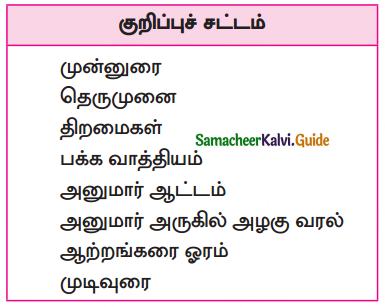
Samacheer Kalvi 10th Tamil Guide Chapter 3.3 மலைபடுகடாம் - 2

முன்னுரை:
அன்றைய நிலையில் பொருளுக்காக ஆற்றுப்படுத்துவது நிகழ்ந்தது. ஆனால் இன்று ஆற்றுப்படுத்தல் அதிலிருந்து விலகி வேறுபடுகின்றது.

Samacheer Kalvi 10th Tamil Guide Chapter 3.3 மலைபடுகடாம்

உணவு:
அன்றைய பாணர்கள் கூத்தர்கள் மன்னனிடமோ, வள்ளலிடமோ ஆற்றுப்படுத்தினர். ஆனால் இன்று வறுமையில் வாடும் ஏழைகளுக்கு உணவு தரும் அன்னச் சத்திரங்கள் பற்றியும், அன்னதானம் நடைபெறும் இடங்களைப் பற்றியும் ஆற்றுப்படுத்துகின்றனர்.

கல்வி:
கல்வி கற்க முடியாதவர்களுக்குக் கல்வி உதவித் தொகை அளிக்கும் அரசின் திட்டங்கள் பற்றியும், உதவும் தொண்டு நிறுவனங்கள் குறித்தும் இன்று பலர் வழிகாட்டல் செய்கின்றனர்.

தொழில்:
இன்று வேலைவாய்ப்பின்மை பெருகி வருகின்றது. அதனைப் போக்க அரசும் பொதுத்துறை நிறுவனங்களும் தொழிற்பயிற்சி நிறுவனங்களை ஏற்படுத்தியுள்ளது. வேலையில்லாமல் திண்டாடுவோருக்கு அவை குறித்த வழிகாட்டல்கள் இன்று செய்யப்பட்டு, வேலையில்லாத் திண்டாட்டம் ஓரளவு போக்கப்படுகின்றது.

Samacheer Kalvi 10th Tamil Guide Chapter 3.3 மலைபடுகடாம்

நன்னடை:
சமுதாயத்தில் இன்று வன்முறை பெருகியுள்ளது. இதற்குக் காரணம் சினம், பொறாமை, சகிப்புத்தன்மை இல்லாமை ஆகியவையே! அவற்றைக் கட்டுப்படுத்த, அனைவருக்கும் மனதை ஒருநிலைப்படுத்த தியானப் பயிற்சி செய்ய இன்று வழிகாட்டல்கள் செய்கின்றனர்.

முடிவுரை:
வழிகாட்டல் என்பது நெறிபிறழும் சமுதாயத்தைக் காக்க உதவும் ஒரு இன்றியமையாத கருவியாகும். வழிகாட்டலுக்கு வித்து ஆற்றுப்படுத்தல் இலக்கியங்களே சான்றாகும்.

இலக்கணக் குறிப்பு.

அசைஇ, கெழீஇ – சொல்லிசை அளபெடைகள்
பரூஉக், குரூஉக்கண் – செய்யுளிசை அளபெடைகள்
எய்தி – வினையெச்சம்
பொழிந்த – பெயரெச்சம்
சேர்ந்த – பெயரெச்சம்
கூறி – வினையெச்சம்
புக்கு – வினையெச்சம்

Samacheer Kalvi 10th Tamil Guide Chapter 3.3 மலைபடுகடாம்

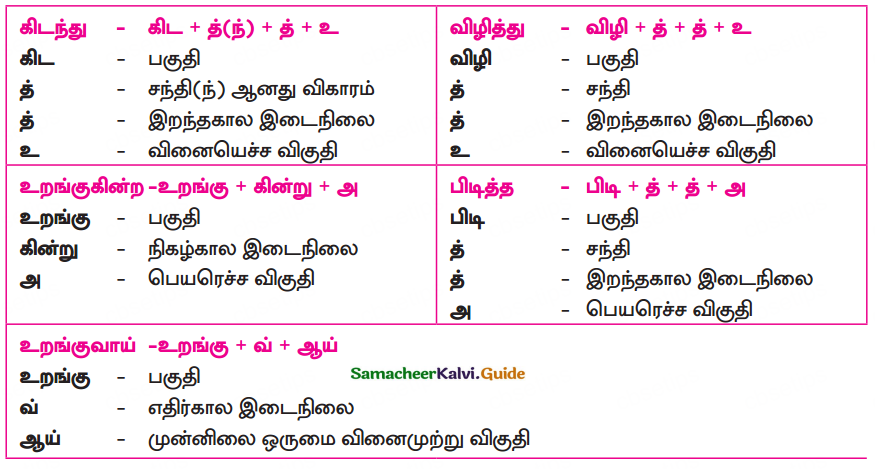
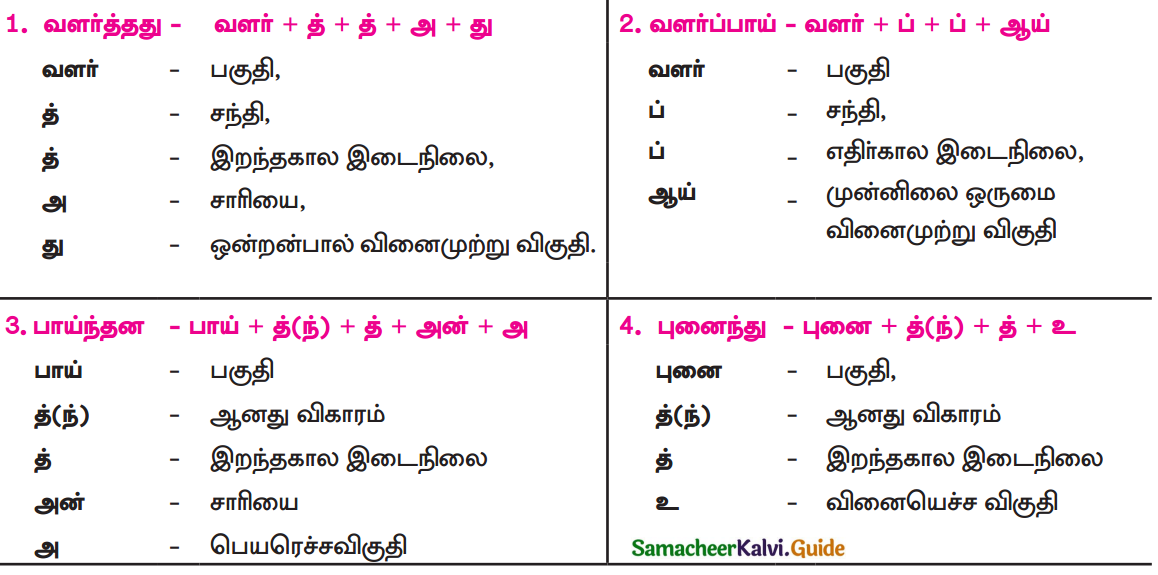
பகுபத உறுப்பிலக்கணம்.

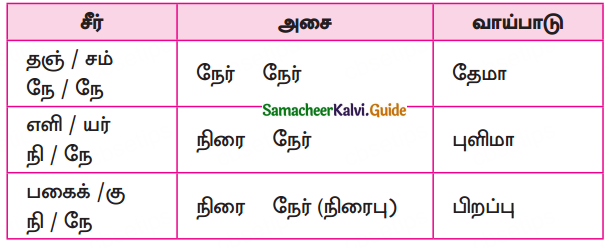
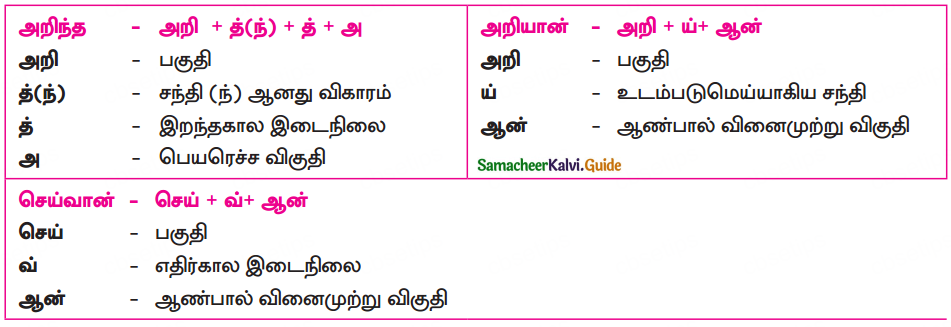
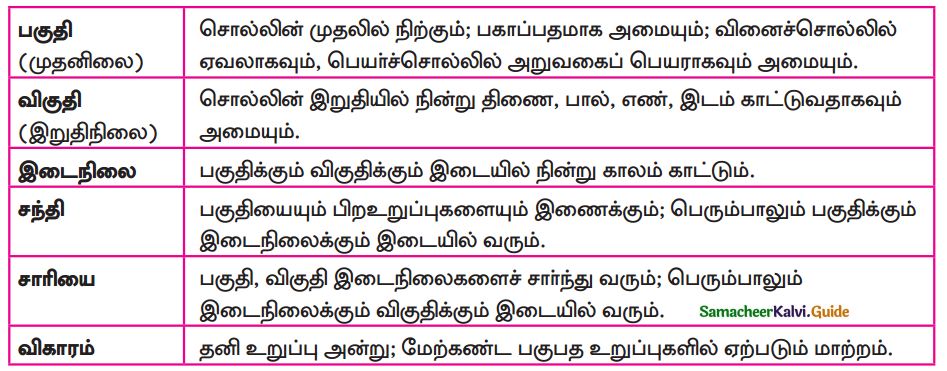
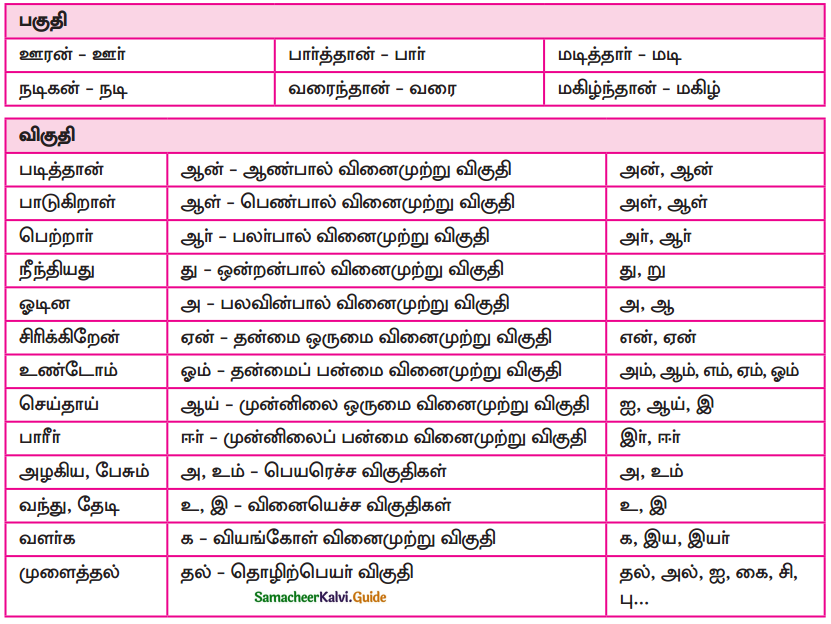
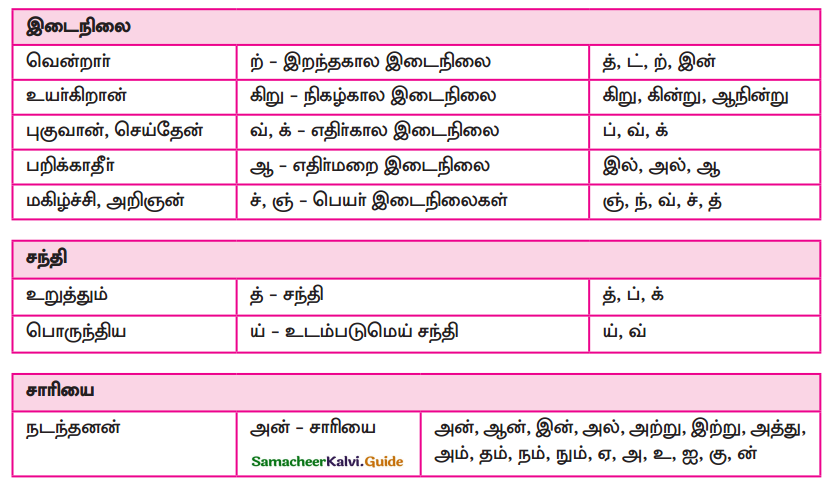
Samacheer Kalvi 10th Tamil Guide Chapter 3.3 மலைபடுகடாம் - 3

கூடுதல் வினாக்கள்

பலவுள் தெரிக

Question 1.
பொருத்தமான விடை வரிசையைத் தேர்ந்தெடு.
i) அசைஇ – 1. சுற்றம்
ii) அல்கி – 2. கன்றின் நெருப்பு
iii) கன்று எரி – 3. இளைப்பாறி
iv) கடும்பு – 4. தங்கி
அ) 3, 4, 2, 1
ஆ) 2, 1, 3, 4
இ) 1, 2, 3, 4,
ஈ) 1, 4, 3, 2
Answer:
அ) 3, 4, 2, 1

Samacheer Kalvi 10th Tamil Guide Chapter 3.3 மலைபடுகடாம்

Question 2.
பொருந்தும் விடை வரிசையைத் தேர்ந்தெடு.
i) ஆரி – 1. பள்ள ம்
ii) நரலும் – 2. கூத்தர்
ii) படுகர் – 3. அருமை
iv) வயிரியம் – 4. ஒலிக்கும்
அ) 2, 1, 4, 3
ஆ) 3, 4, 1, 2
இ) 3, 1, 4, 2
ஈ) 2, 4, 1, 3
Answer:
ஆ) 3, 4, 1, 2

Question 3.
பொருந்தாத பொருளுக்கான இணை எது?
அ) வேவை – வெந்தது
ஆ) இறடி – தினை
இ) பொம்மல் – சோறு
ஈ) நரலும் – சுற்றம்
Answer:
ஈ) நரலும் – சுற்றம்

Samacheer Kalvi 10th Tamil Guide Chapter 3.3 மலைபடுகடாம்

Question 4.
மலைபடுகடாம் எந்த நூல்களுள் ஒன்று?
அ) எட்டுத்தொகை
ஆ) பத்துப்பாட்டு
இ) நீதி
ஈ) பதினெண்கீழ்க்கணக்கு
Answer:
ஆ) பத்துப்பாட்டு

Question 5.
மலைபடுகடாம் எத்தனை அடிகளைக் கொண்ட நூல்?
அ) 483
ஆ) 543
இ) 583
ஈ) 643
Answer:
இ) 583

Question 6.
மலைபடுகடாமின் வேறு பெயர் என்ன?
அ) சிறுபாணாற்றுப்படை
ஆ) பெரும்பாணாற்றுப்படை
இ) விறலியாற்றுப்படை
ஈ) கூத்தராற்றுப்படை
Answer:
ஈ) கூத்தராற்றுப்படை

Samacheer Kalvi 10th Tamil Guide Chapter 3.3 மலைபடுகடாம்

Question 7.
மலைபடுகடாம் என்னும் நூலில் மலைக்கு உவமையாகக் கூறப்படுவது
அ) யானை
ஆ) மேகம்
இ) மான்
ஈ) வானம்
Answer:
அ) யானை

Question 8.
இரணிய முட்டத்துப் பெருங்குன்றூரைச் சார்ந்த புலவர்
அ) பெருஞ்சித்திரனார்
ஆ) பெருங்கௌசிகனார்
இ) மருதனார்
ஈ) நக்கீரர்
Answer:
ஆ) பெருங்கௌசிகனார்

Question 9.
‘மலைந்து’ – என்னும் சொல்லைப் பிரிக்கும் முறை
அ) மலைந்து+உ
ஆ) மலைந்+த்+உ
இ) மலை +த்(ந்)+த்+உ
ஈ) மலை +த்+த்+உ
Answer:
இ) மலை +த்(ந்)+த்+உ

Question 10.
‘பொழிந்த’ – என்னும் சொல்லைப் பிரிக்கும் முறை
அ) பொழிந்து+அ)
ஆ) பொழி+த்+த்+உ
இ) பொழி+த்+ந்+த்+அ
ஈ) பொழி+த்(ந்)+த்+அ
Answer:
ஈ) பொழி+த்(ந்)+த்+அ

Samacheer Kalvi 10th Tamil Guide Chapter 3.3 மலைபடுகடாம்

Question 11.
பொருந்தாததைக் கண்டறிக.
அ) திருமுருகாற்றுப்படை – நக்கீரர்
ஆ) சிறுபாணாற்றுப்படை – நல்லூர் நத்தத்தனார்
இ) பொருநராற்றுப்படை – முடத்தாமக்கண்ணியார்
ஈ) மலைபடுகடாம் – கடியலூர் உருத்திரங்கண்ணனார்
Answer:
ஈ) மலைபடுகடாம் – கடியலூர் உருத்திரங்கண்ண னார்

Question 12.
அன்று அவண் அசைஇ – என்பதில் ‘அசைஇ’ என்பதன் பொருள்
அ) அசைவாடிய
ஆ) இளைப்பாறி
இ) அமைதியாகி
ஈ) இன்பமாகி
Answer:
ஆ) இளைப்பாறி

Samacheer Kalvi 10th Tamil Guide Chapter 3.3 மலைபடுகடாம்

Question 13.
கன்று எரி – என்பதில் ‘எரி’ எனக் குறிப்பிடப்படுவது
அ) நெருப்பு
ஆ) கொம்பு
இ) வால்
ஈ) நீர்
Answer:
அ) நெருப்பு

Question 14.
அசோக மரங்கள் எவ்வண்ணப் பூக்களைக் கொண்டது?
அ) கரும்
ஆ) சிவந்த
இ) வெண்மையான
ஈ) நீலநிற
Answer:
ஆ) சிவந்த

Question 15.
அல்கி என்பதன் பொருள்
அ) அழிந்து
ஆ) தங்கி
இ) உள்ளே
ஈ) வெளியே
Answer:
ஆ) தங்கி

Samacheer Kalvi 10th Tamil Guide Chapter 3.3 மலைபடுகடாம்

Question 16.
பொருத்துக.
1. இறடி – அ) தங்கி
2. அல்கி – ஆ) பள்ளம்
3. படுகர் – இ) வெந்து
4. வேவை – ஈ) தினை
அ) 1.ஆ 2.அ 3.ஈ 4.இ
ஆ) 1.ஈ 2.அ 3.ஆ 4.இ
இ) 1.ஆ 2.அ 3.இ 4.ஈ
ஈ) 1.அ 2.இ 3.ஆ 4.ஈ
Answer:
ஆ) 1.ஈ 2.அ 3.ஆ 4.இ)

Question 17.
கூத்தராற்றுப்படை என்றழைக்கப்படும் நூல்
அ) திருமுருகாற்றுப்படை
ஆ) மலைபடுகடாம்
இ) பொருநராற்றுப்படை
ஈ) சிறுபாணாற்றுப்படை
Answer:
ஆ) மலைபடுகடாம்

Samacheer Kalvi 10th Tamil Guide Chapter 3.3 மலைபடுகடாம்

Question 18.
நன்னன் எந்நில மன்னன்?
அ) பெருநில
ஆ) குறுநில
இ) சிறுநில
ஈ) மா
Answer:
ஆ) குறுநில

Question 19.
மலைபடுகடாமின் (கூத்தராற்றுப்படை) பாட்டுடைத் தலைவர்
அ) நன்ன ன்
ஆ) பாரி
இ) கபிலர்
ஈ) பெருங்கௌசிகனார்
Answer:
அ) நன்னன்

Samacheer Kalvi 10th Tamil Guide Chapter 3.3 மலைபடுகடாம்

குறுவினா

Question 1.
மலைபடுகடாம் – பெயர்க்காரணம் கூறு.
Answer:
மலைக்கு யானையை உருவகமாகக் கூறி, அதன் ஓசையைக் கடாம் எனச் சிறப்பித்துள்ளதால் மலைபடுகடாம் எனப் பெயர் பெற்றது.

Question 2.
ஆற்றுப்படை என்றால் என்ன?
Answer:
ஆற்றுப்படுத்தும் கூத்தன், வள்ளலை நாடி எதிர் வரும் கூத்தனை அழைத்தல்.
யாம் இவ்விடத்தே சென்று இன்னவெல்லாம் பெற்று வருகிறோம்.
நீயும் அந்த வள்ளலிடம் சென்று வளம் பெற்று வாழ்வாயாக என்று கூறுதல்.

Question 3.
குறுநில மன்னன் நன்னனின் ஊரில் கூத்தர்களுக்கு வழங்கப்படும் உணவாக மலைபடுகடாம் கூறுவன யாவை?
Answer:

  • நெய்யில் வெந்த மாமிசத்தின் பொரியல்.
  • தினைச் சோறு.

Question 4.
பண்டையத் தமிழ் கலைஞர்கள் யாவர்?
Answer:
கூத்தர், பாணர், விறலியர்.

Samacheer Kalvi 10th Tamil Guide Chapter 3.3 மலைபடுகடாம்

Question 5.
மலைபடுகடாமில் ஒளிரும் பூங்கொத்துகளுக்குக் கூறப்பட்ட உவமை யாது?
Answer:
மலைபடுகடாமில் ஒளிரும் பூங்கொத்துகளுக்குக் கூறப்பட்ட உவமை எரியும் நெருப்பு ஆகும்.

Question 6.
“நோனாச் செருவின் வலம்படு நோன்தாள்
மானா விறல்வெள் வயிரியம் எனினே ” என்று யார் யாரிடம் கூறினார்?
Answer:
நன்னனைப் புகழ்ந்து பாடி பரிசில் பெற்ற கூத்தர், பரிசில் பெறப்போகும் கூத்தரிடம் கூறினார்.

Question 7.
“நோனாச் செருவின் வலம்படு நோன்தாள்
மானா விறல்வெள் வயிரியம் எனினே” தொடர் பொருள் விளக்குக.
Answer:
தொடர் இடம் பெறும் நூல் : மலைபடுகடாம்
தொடர் பொருள் விளக்கம் : பகைவரைப் பொறாமல் போர் செய்யும் வலிய முயற்சியும் மானமும் வெற்றியும் உடைய நன்னனின் கூத்தர்கள் என்று சொல்லுங்கள்.

Question 8.
தினை, சோறு ஆகியவற்றிற்கு மலைபடுகடாம் தரும் சொற்கள் யாவை?
Answer:
தினை – இறடி ; சோறு – பொம்மல்.

Question 9.
“அலங்கு கழை நரலும் ஆரிப்படுகர்ச்” இவ்வடியில் ‘கழை’ என்னும் பொருள் தரும் சொல் எது?
Answer:
கழை – மூங்கில்.

Samacheer Kalvi 10th Tamil Guide Chapter 3.3 மலைபடுகடாம்

Question 10.
“அலங்கு கழை நரலும் ஆரிப்படுகர்” இவ்வடியில் “ஆரி”, “படுகர்” ஆகிய சொற்களின் பொருள்
யாது?
Answer:
ஆரி – அருமை ; படுகர் – பள்ளம்.

சிறுவினா

Question 1.
‘மலைபடுகடாம்’ நூல் குறிப்பு வரைக.
Answer:

  • பத்துப்பாட்டு நூல்களுள் ஒன்று மலைபடுகடாம்.
  • வேறு பெயர் : கூத்தராற்றுப்படை
  • அடிகள் : 583
  • உருவகம் : மலைக்கு யானையை உவமையாக்கி அதன் ஓசையைக் கடாஅம் எனச் சிறப்பித்தது.
  • பாட்டுடைத் தலைவன் : நன்னன் என்னும் குறுநில மன்னன்.
  • பாடியவர் : இரணிய முட்டத்துப் பெருங்குன்றூர் பெருங்கௌசிகனார்.

Question 2.
“நெய்க்கண் வேவையொடு குரூஉக்கண் இறடிப் பொம்மல் பெறுகுவிர்” இடஞ்சுட்டிப் பொருள் விளக்குக.
Answer:
இடம்:
இப்பாடல், பெருங்கௌசிகனார் பாடிய மலைபடுகடாம் எனும் நூலில் இடம்பெற்றுள்ளது.

பொருள்:
பரிசில் பெற்ற கூத்தன் பெறப் போகும் கூத்தனை ஆற்றுப்படுத்தல்.

விளக்கம் :
நன்னனின் ஊரில் பரிசு பெற்ற கூத்தன் பரிசு பெறப்போகும் கூத்தனிடம், “அங்கே, நெய்யில் வெந்த மாமிசத்தின் பொரியலையும் தினைச்சோற்றையும் உணவாகப் பெறுவீர்” என்று ஆற்றுப்படுத்துகின்றான்.

Samacheer Kalvi 10th Tamil Guide Chapter 3.3 மலைபடுகடாம்

Question 3.
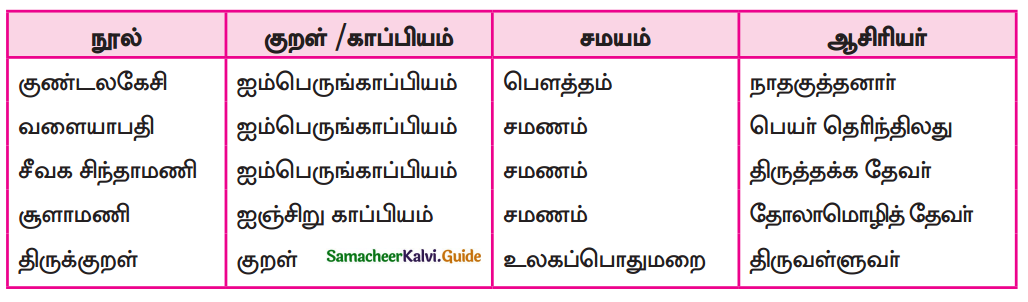
பத்துப்பாட்டில் அமைந்த ஆற்றுப்படை நூல்கள் மற்றும் அதன் ஆசிரியர் பெயர்களையும் எழுதுக.
Answer:
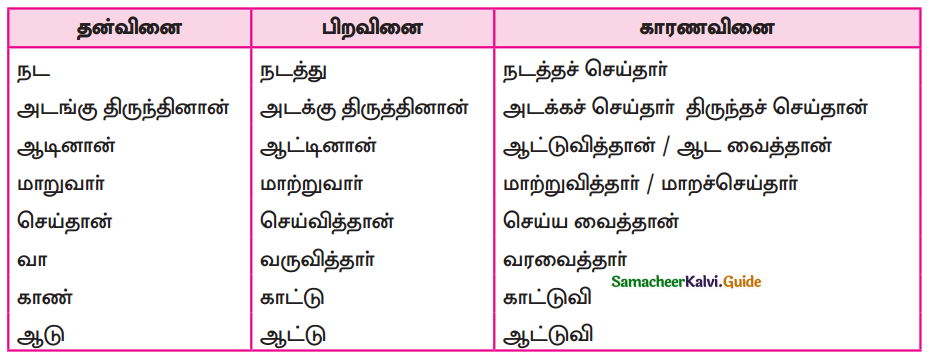
Samacheer Kalvi 10th Tamil Guide Chapter 3.3 மலைபடுகடாம் - 4

Samacheer Kalvi 10th Tamil Guide Chapter 2.3 முல்லைப்பாட்டு

Students can Download 10th Tamil Chapter 2.3 முல்லைப்பாட்டு Questions and Answers, Summary, Notes, Samacheer Kalvi 10th Tamil Guide Pdf helps you to revise the complete Tamilnadu State Board New Syllabus, helps students complete homework assignments and to score high marks in board exams.

Tamilnadu Samacheer Kalvi 10th Tamil Solutions Chapter 2.3 முல்லைப்பாட்டு

கற்பவை கற்றபின்

Question 1.
முல்லைப்பாட்டின் காட்சிகளிலிருந்து சங்ககால மக்களின் வாழ்க்கைச் சூழலை உணர முடிகிறதா? உங்களின் கருத்துகளைப் பதிவு செய்க.
Answer:

  • மக்கள் பிறருக்கு ஏற்பட்ட துன்பத்தைத் தனக்கு ஏற்பட்ட துன்பமாகவே கருதியிருக்கின்றனர்.
  • மனிதர்களுடைய துன்பங்கள் மட்டுமின்றி அஃறிணை உயிரினங்களின்  துன்பங்களையும் நீக்க முற்பட்டிருக்கின்றனர்.
  • தெய்வ நம்பிக்கை உடையவர்கள்.
  • விரிச்சி கேட்டலில் நம்பிக்கை உடையவர்கள்.
  • ஒருவரையொருவர் ஆற்றுப்படுத்தி மகிழ்ந்திருக்கின்றனர்.

Samacheer Kalvi 10th Tamil Guide Chapter 2.3 முல்லைப்பாட்டு

Question 2.
குறிப்புகளைக் கொண்டு ஆர்வமூட்டும் வகையில் கதை / நிகழ்வை எழுது.
Answer:
அமைதி – வனம் – மனத்தைத் தொட்டது – கொஞ்சம் அச்சம் – ஆனால் பிடித்திருந்தது – இரவில் வீட்டின் அமைதியைவிட – வனத்தின் அமைதி – புதுமை – கால்கள் தரையில் – இலைகளின் சலசலப்பு – பறவைகள் மரங்களின் மேல் – சிறகடிப்பு – அருகில் திரும்பியவுடன் – திடீரென ஆரவார ஓசை – தண்ணீரின் ஓட்டம் – அழகான ஆறு – உருண்ட சிறு கூழாங்கற்கள் – இயற்கையின் கண்காட்சி.

இயற்கையின் கண்காட்சி

அமைதியான வனம் :
அடர்ந்த மரங்களைக் கொண்ட பசுமை மிகுந்த அமைதி நிறைந்த வனத்திற்குச் சென்றேன். வனத்தாவரங்கள் மற்றும் மலர்களின் நறுமணம் என் மனதைத் தொட்டது. அச்சூழ்நிலை மிகவும் பிடித்திருந்தது. இரவில் வீட்டில் இருக்கும் அமைதியைவிட வனத்தின் அமைதி என்னை மிகவும் கவர்ந்த து.

காட்டுயிரிகள் :
புதுமையான ஓர் அனுபவத்தைப் பெற்றேன். என் கால்கள் தரையில் ஊன்றியிருப்பதாய்த் தெரியவில்லை. இலைகளின் சலசலப்பு கேட்டு ஓசை வந்த திசை நோக்கித் திரும்பினேன். மரங்களின் மேலிருந்த பறவைகள் தங்கள் சிறகுகளை அடித்து சோம்பலைப் போக்கிக் கொண்டிருந்தன.

Samacheer Kalvi 10th Tamil Guide Chapter 2.3 முல்லைப்பாட்டு

ஆரவார ஓசை :
திடீரென ஏற்பட்ட ஆரவார ஓசையைக் கேட்டு திரும்பிப் பார்த்தேன். குரங்குகள் தண்ணீரின் ஓட்டத்தில் தங்கள் முகங்களின் அழகைக் கண்டு ஆரவாரம் செய்து கொண்டிருந்தன.

அழகான ஆறு :
தெளிவான நீரோடையின் உள்ளே, உருண்டை வடிவில் சிறு கூழாங்கற்கள் பார்ப்பதற்கு விலையுயர்ந்த கற்களைப் போலவும், கண்ணாடியால் செய்யப்பட்ட உருண்டைகள் போலவும் தோற்றமளித்தன. இத்தகைய இயற்கையின் கண்காட்சி என் மனதை விட்டு அகலவில்லை.

பாடநூல் வினாக்கள்

பலவுள் தெரிக

Question 1.
‘பாடுஇமிழ் பனிக்கடல் பருகி’ என்னும் முல்லைப்பாட்டு அடி உணர்த்தும் அறிவியல் செய்தி யாது?
அ) கடல்நீர் ஆவியாகி மேகமாதல்
ஆ) கடல்நீர் குளிர்ச்சி அடைதல்
இ) கடல்நீர் ஒலித்தல்
ஈ) கடல்நீர் கொந்தளித்தல்
Answer:
அ) கடல்நீர் ஆவியாகி மேகமாதல்

Samacheer Kalvi 10th Tamil Guide Chapter 2.3 முல்லைப்பாட்டு

குறுவினா

Question 1.
பெற்றோர் வேலையிலிருந்து திரும்பத் தாமதமாகும் போது அழும் தம்பிக்கு நீங்கள் கூறும் ஆறுதல் சொற்களை எழுதுக.
Answer:
தம்பி அழாதே! அப்பாவும் அம்மாவும் விரைவில் வந்து விடுவார்கள். வரும்போது உனக்கு விளையாட்டுப் பொருட்களை வாங்கிக் கொண்டு வருவார்கள்.

Question 2.
மாஅல் – பொருளும், இலக்கணக் குறிப்பும் தருக.
Answer:
Samacheer Kalvi 10th Tamil Guide Chapter 2.3 முல்லைப்பாட்டு - 1

Samacheer Kalvi 10th Tamil Guide Chapter 2.3 முல்லைப்பாட்டு

நெடுவினா

Question 1.
முல்லைப் பாட்டில் உள்ள கார்காலச் செய்தியை விவரித்து எழுதுக.
Answer:
Samacheer Kalvi 10th Tamil Guide Chapter 2.3 முல்லைப்பாட்டு - 2
மழை:
மேகம் அகன்ற உலகத்தை வளைத்துப் பெருமழை பொழிகிறது. மாவலி மன்னன் திருமாலுக்கு நீர்வார்த்துத் தரும்பொழுது மண்ணுக்கும், விண்ணுக்கும் பேருருவம் எடுத்து உயர்ந்து நிற்பது போன்றுள்ளது மழைமேகம். அம்மழை மேகம் ஒலிக்கும் கடலின் குளிர்நீரைப் பருகிப் பெருந்தோற்றம் கொண்டு வலமாய் எழுகிறது. மலையைச் சூழந்து விரைந்து வேகத்துடன் பெரு மழையைப் பொழிகிறது.

Samacheer Kalvi 10th Tamil Guide Chapter 2.3 முல்லைப்பாட்டு

தெய்வ வழிபாடு:
முதுபெண்கள் காவலையுடைய ஊர்ப்பக்கம் சென்றனர். யாழிசை போன்று ஒலிக்கும் வண்டுகள் நறுமணம் கொண்ட பூக்களைச் சுற்றி ஆரவாரிக்கும். மலர்ந்த முல்லைப் பூவோடு நெல்லையும் சேர்த்து தெய்வத்தின் முன் தூவி வழிபடுவர். தெய்வத்தைத் தொழுது தலைவிக்காக நற்சொல் கேட்டு நிற்பர்.

கன்றின் வருத்தம்:
Samacheer Kalvi 10th Tamil Guide Chapter 2.3 முல்லைப்பாட்டு - 3

சிறு தாம்புக் கயிற்றால் கட்டப்பட்ட இளங்கன்று பசியால் வாடிக் கொண்டிருந்தது. அதன் வருத்தத்தை ஓர் இடைமகள் கண்டாள்.

Samacheer Kalvi 10th Tamil Guide Chapter 2.3 முல்லைப்பாட்டு

வருந்தாதே :
புல்லை மேய்ந்த உன் தாய்மாரை வளைந்த கத்தியை உடைய கம்பைக் கொண்ட என் இடையர் இப்பொழுது ஓட்டி வந்து விடுவார் வருந்தாதே’ என்றாள் இடைமகள்.

முதுபெண்டிர் தலைவியிடம் கூறியது :
இடைமகள் மூலம் நற்சொல்லைக் கேட்டோம். நின் தலைவன் பகைவரை வென்று திறைப் பொருளோடு வருவது உறுதி. மனத்தடுமாற்றம் கொள்ளாதே!

இலக்கணக் குறிப்பு.

மூதூர் – பண்புத்தொகை
உறுதுயர் – வினைத்தொகை
கைதொழுது – மூன்றாம் வேற்றுமைத் தொகை
தடக்கை – உரிச்சொல் தொடர்
நன்மொழி – பண்புத்தொகை

பகுபத உறுப்பிலக்கணம்.
Samacheer Kalvi 10th Tamil Guide Chapter 2.3 முல்லைப்பாட்டு - 4

கூடுதல் வினாக்கள்

இலக்கணக் குறிப்பு.

பெரும்பெயல் – பண்புத்தொகை
சிறுபுன் – பண்புத்தொகை
அருங்கடி – பண்புத்தொகை
பெருமுதுபெண்டிர் – பண்புத்தொகை
நல்லோர் – வினையாலணையும் பெயர்

Samacheer Kalvi 10th Tamil Guide Chapter 2.3 முல்லைப்பாட்டு

பகுபத உறுப்பிலக்கணம்.
Samacheer Kalvi 10th Tamil Guide Chapter 2.3 முல்லைப்பாட்டு - 5

பலவுள் தெரிக

Question 1.
முல்லைப்பாட்டின் மொத்த அடிகள் எத்தனை?
அ) 101
ஆ) 102
இ) 103
ஈ) 104
Answer:
இ) 103

Samacheer Kalvi 10th Tamil Guide Chapter 2.3 முல்லைப்பாட்டு

Question 2.
முல்லைப்பாட்டு எந்த நூல் வகையைச் சார்ந்தது?
அ) எட்டுத்தொகை
ஆ) பத்துப்பாட்டு
இ) கீழ்க்க ணக்கு
ஈ) சிற்றிலக்கியம்
Answer:
ஆ) பத்துப்பாட்டு

Question 3.
முல்லைத் திணைக்குரிய பூ வகை
அ) காந்தள்
ஆ) பிடவம்
இ) தாழை
ஈ) பாதிரி
Answer:
ஆ) பிடவம்

Samacheer Kalvi 10th Tamil Guide Chapter 2.3 முல்லைப்பாட்டு

Question 4.
முல்லைப்பாட்டு எந்தக் கணக்கு நூல்களுள் ஒன்று?
அ) பதினெண்மேல் கணக்கு
ஆ) பதினெண்கீழ்க்கணக்கு
இ) சிற்றிலக்கியம்
ஈ) காப்பியம்
Answer:
அ) பதினெண்மேல் கணக்கு

Question 5.
பத்துப்பாட்டில் மிகக் குறைந்த அடிகளைக் கொண்ட நூல்
அ) குறிஞ்சிப்பாட்டு
ஆ) முல்லைப்பாட்டு
இ) பட்டினப்பாலை
ஈ) திருமுருகாற்றுப்படை
Answer:
ஆ) முல்லைப்பாட்டு

Question 6.
பொருத்துக.
1. நேமி – அ) மலை
2. கோடு – ஆ) வலம்புரி சங்கு (சக்கரத்துடன் கூடிய)
3. விரிச்சி – இ) தோள்
4. சுவல் – ஈ) நற்சொல்
அ) 1.ஆ 2.அ 3.ஈ. 4.இ
ஆ) 1.ஆ 2.அ 3.இ 4.ஈ
இ) 1.ஈ 2.ஆ 3.இ 4.அ
ஈ) 1.இ 2.ஈ 3.அ 4.ஆ
Answer:
அ) 1.ஆ 2.அ 3.ஈ 4.இ

Samacheer Kalvi 10th Tamil Guide Chapter 2.3 முல்லைப்பாட்டு

Question 7.
வலம்புரிச் சங்கு பொறித்த கைகளையுடையவர்
அ) முருகன்
ஆ) திருமால்
இ) மாவலி மன்னன்
ஈ) நான்முகன்
Answer:
ஆ) திருமால்

Question 8.
குறுகிய வடிவம் கொண்டு நீர்வார்த்துத் தந்தவன்
அ) முருகன்
ஆ) திருமால்
இ) மாவலிமன்னன்
ஈ) நான்முகன்
Answer:
இ) மாவலிமன்னன்

Question 9.
மண்ணுக்கும் விண்ணுக்குமாகப் பேருருவம் எடுத்து நின்றவர்
அ) முருகன்
ஆ) திருமால்
இ) மாவலிமன்னன்
ஈ) நான்முகன்
Answer:
ஆ) திருமால்

Samacheer Kalvi 10th Tamil Guide Chapter 2.3 முல்லைப்பாட்டு

Question 10.
“கோடு கொண்டு எழுந்த கொடுஞ் செலவு எழிலி”
– இவ்வடிகளில் ‘மேகம்’ என்னும் பொருள்தரும் சொல்
அ) கோடு
ஆ) செலவு
இ) எழிலி
ஈ) கொடு
Answer:
இ) எழிலி

Question 11.
“கொடுங்கோற் கோவலர்” – இதில் குறிப்பிடப்படும் கோவலர் யார்?
அ) கோவலன்
ஆ) குறவர்
இ) உழவர்
ஈ) இடையர்
Answer:
ஈ) இடையர்

Question 12.
முல்லைப்பாட்டு என்னும் நூலை இயற்றியவர்
அ) கபிலர்
ஆ) மாங்குடிமதேனார்
இ) நப்பூதனார்
ஈ) நக்கீரர்
Answer:
இ) நப்பூதனார்

Samacheer Kalvi 10th Tamil Guide Chapter 2.3 முல்லைப்பாட்டு

Question 13.
மழையின் சீற்றம் இயல்பு வாழ்வில் ஏற்படுத்தும் மாற்றங்களைப் படம் பிடித்துக் காட்டுவது எது?
அ) சங்க இலக்கியம்
ஆ) திருக்குறள்
இ) நாலடியார்
ஈ) சிலப்பதிகாரம்
Answer:
அ) சங்க இலக்கியம்

Question 14.
‘நனந்தலை உலகம்’ என்பதில் ‘நனந்தலை’ என்பதன் பொருள்
அ) கவர்ந்த
ஆ) அகன்ற
இ) சுருங்கிய
ஈ) இழந்த
Answer:
ஆ) அகன்ற

Question 15.
‘நறுவீ என்பதில் ‘வீ’ என்பதன் பொருள்
அ) மலர்கள்
ஆ) மான்கள்
இ) விண்மீன்கள்
ஈ) கண்க ள்
Answer:
அ) மலர்கள்

Samacheer Kalvi 10th Tamil Guide Chapter 2.3 முல்லைப்பாட்டு

Question 16.
பொருத்திக் காட்டுக:
i) மூதூர் – 1. உரிச்சொற்றொடர்
ii) உறுதுயர் – 2. மூன்றாம் வேற்றுமைத்தொகை
iii) கைதொழுது – 3. வினைத்தொகை
iv) தடக்கை – 4. பண்புத்தொகை
அ) 4, 3, 2, 1
ஆ) 3, 4, 1, 2
இ) 1, 3, 4, 2
ஈ) 2, 1, 3, 4
Answer:
அ) 4, 3, 2, 1

Samacheer Kalvi 10th Tamil Guide Chapter 2.3 முல்லைப்பாட்டு

Question 17.
பொறித்த – பகுபத உறுப்பிலக்கணத்தின்படி பிரிக்கும் முறை
அ) பொறி + த் + த் + அ
ஆ) பொறித்து + அ
இ) பொறி + த்(ந்) + த் + அ
ஈ) பொறி + த் + த
Answer:
அ) பொறி + த் + த் + அ

Question 18.
தலைவிக்காக நற்சொல் கேட்டு நின்றவர்கள்
அ) இளம் பெண்கள்
ஆ) முதிய பெண்டிர்
இ) தோழிகள்
ஈ) சான்றோர்
Answer:
ஆ) முதிய பெண்டிர்

Samacheer Kalvi 10th Tamil Guide Chapter 2.3 முல்லைப்பாட்டு

Question 19.
சிறுதாம்புக் கயிற்றால் கட்டப்பட்ட எது பசியால் வாடிக் கொண்டிருந்தது?
அ) பசு
ஆ) இளங்கன்று
இ) எருமை
ஈ) ஆடு
Answer:
ஆ) இளங்கன்று

Question 20.
பசியால் வாடிக் கொண்டிருந்த இளங்கன்றின் வருத்தத்தைக் கண்டவள்
அ) குறமகள்
ஆ) இடைமகள்
இ) தலைவி
ஈ) தோழி
Answer:
ஆ) இடைமகள்

Question 21.
‘கைய கொடுங்கோற் கோவலர் பின் நின்று உய்த்தர இன்னே வருகுவர், தாயர்’ என்று யார் யாரிடம் கூறியது?
அ) இடைமகள் இளங்கன்றிடம்
ஆ) முதுபெண்டிர் பசுவிடம்
இ) தலைவன் காளையிடம்
ஈ) தலைவி மேகத்திடம்
Answer:
அ) இடைமகள் இளங்கன்றிடம்

Samacheer Kalvi 10th Tamil Guide Chapter 2.3 முல்லைப்பாட்டு

Question 22.
‘நன்னர் நன்மொழி கேட்டனம்’ – யார் யாரிடம் கூறியது?
அ) முதுபெண்டிர் தலைவியிடம் கூறியது
ஆ) தலைவி முதுபெண்டிரிடம் கூறியது
இ) தோழி தலைவியிடம் கூறியது
ஈ) தலைவி தலைவனிடம் கூறியது
Answer:
அ) முதுபெண்டிர் தலைவியிடம் கூறியது

Question 23.
பாடப்பகுதியில் இடம்பெற்றுள்ள முல்லைப்பாட்டின் அடிகள்
அ) 1 – 17
ஆ) 17 – 25
இ) 4 – 16
ஈ) 5 – 20
Answer:
அ) 1 – 17

Question 24.
முல்லையின் நிலம்
அ) காடும் காடு சார்ந்த இடமும்
ஆ) மலையும் மலை சார்ந்த இடமும்
இ) வயலும் வயல் சார்ந்த இடமும்
ஈ) கடலும் கடல் சார்ந்த இடமும்
Answer:
அ) காடும் காடு சார்ந்த இடமும்

Samacheer Kalvi 10th Tamil Guide Chapter 2.3 முல்லைப்பாட்டு

Question 25.
இருத்தலும் இருத்தல் நிமித்தமும் (காத்திருத்தல்) எந்நிலத்துக்குரிய உரிப்பொருள்
அ) குறிஞ்சி
ஆ) முல்லை
இ) மருதம்
ஈ) பாலை
Answer:
ஆ) முல்லை

Question 26.
கார்காலத்துக்குரிய மாதங்கள் அ) தை, மாசி
ஆ) பங்குனி, சித்திரை
இ) ஆவணி, புரட்டாசி
ஈ) கார்த்திகை, மார்கழி
Answer:
இ) ஆவணி, புரட்டாசி

Question 27.
நப்பூதனாரின் தந்தை அ) பொன்முடியார்
ஆ) பொன்வணிகனார்
இ) மாசாத்துவாணிகனார்
ஈ) மாணிக்கநாயனார்
Answer:
ஆ) பொன்வணிகனார்

Samacheer Kalvi 10th Tamil Guide Chapter 2.3 முல்லைப்பாட்டு

Question 28.
பொன்வணிகனாரின் ஊர்
அ) உறையூர்
ஆ) மதுரை
இ) காவிரிப்பூம்பட்டினம்
ஈ) குற்றாலம்
Answer:
இ) காவிரிப்பூம்பட்டினம்

குறுவினா

Question 1.
முல்லைப்பாட்டு நூல் குறிப்பு வரைக.
Answer:

  • பத்துப்பாட்டு நூல்களுள் ஒன்று.
  • 103 பாடல் அடிவரையறை கொண்டது.
  • ஆசிரியப்பாவால் இயற்றப்பட்டது.
  • முல்லை நிலத்தைப் பற்றிப் பாடப்பட்டது.
  • பத்துப்பாட்டில் மிகக் குறைந்த அடிகளைக் கொண்ட நூல்.

Question 2.
நப்பூதனார் குறிப்பு வரைக.
Answer:

  • முல்லைப்பாட்டைப் பாடியவர்.
  • காவிரிப்பூம்பட்டினத்துப் பொன்வணிகனார் மகனாவார்.

Question 3.
விரிச்சி கேட்டல் என்றால் என்ன?
Answer:

  • ஏதேனும் ஒரு செயல் நன்றாக முடியுமோ? முடியாதோ? என ஐயம் கொண்ட பெண்கள், மக்கள் நடமாட்டம் குறைவான ஊர்ப்பக்கத்தில் போய்,
  • தெய்வத்தைத் தொழுது நிற்பர். அயலார் பேசும் சொல்லைக் கூர்ந்து கேட்பர்.
  • அவர்கள் நல்ல சொல்லைக் கூறின் தம் செயல் நன்மையில் முடியும்.
  • தீய மொழியைக் கூறின் தம் செயல் தீயதாய் முடியும் என்று எண்ணுவர்.

Question 4.
இளங்கன்று வருந்தக் காரணம் யாது?
Answer:
சிறு தாம்புக் கயிற்றால் கட்டப்பட்ட இளங்கன்று பசியால் வாடிக் கொண்டிருந்தது.

Samacheer Kalvi 10th Tamil Guide Chapter 2.3 முல்லைப்பாட்டு

Question 5.
இளங்கன்றின் வருத்தத்தைப் போக்க இடைமகள் கூறிய செய்தி யாது?
Answer:
புல்லை மேய்ந்த உன் தாய்மாரை வளைந்த கத்தியை உடைய கம்பைக் கொண்ட எம் இடையர் இப்போது ஓட்டி வந்துவிடுவர் – வருந்தாதே.

Question 6.
தலைவியை முதுபெண்டிர் எவ்வாறு ஆற்றுப்படுத்தினர்?
Answer:

  • நின் தலைவன் பகைவரை வென்று திரைப்பொருளோடு வருவான்.
  • தலைவியே! மனத்தடுமாற்றம் கொள்ளாதே.

Question 7.
முல்லைப்பாட்டில் திருமால் குறித்து கூறப்பட்ட செய்தி யாது?
Answer:

  • வலம்புரிச்சங்கு பொறித்த கைகளை உடையவன் திருமால்
  • குறுகிய வடிவம் எடுத்தவன்.
  • மாவலி மன்னன் நீர்வார்த்துத் தரும்போது மண்ணுக்கும் விண்ணுக்குமாகப் பேருருவம் எடுத்தவன்.

Question 8.
மழைப்பொழிவு குறித்து முல்லைப் பாட்டில் கூறப்பட்டுள்ள செய்தி யாது?
Answer:

  • ஒலிக்கும் கடலின் குளிர்நீரைப் பருகி பெருந் தோற்றம் கொண்டது மேகம்.
  • அம்மேகமானது வலமாய் எழுந்தது.
  • மலையைச் சூழ்ந்தது.
  • விரைந்த வேகத்துடன் பெருமழையைப் பொழிந்தது.

Samacheer Kalvi 10th Tamil Guide Chapter 2.3 முல்லைப்பாட்டு

Question 9.
முதிய பெண்கள் (முதுபெண்டிர்) தெய்வத்தை எவ்வாறு தொழுது நின்றனர்?
Answer:

  • முல்லைப் பூக்களோடு நாழி அளவு நெல்லையும் சேர்த்து தெய்வத்தின் முன் தூவினர்.
  • தெய்வத்தைத் தொழுது தலைவிக்காக நற்சொல் கேட்டு நின்றனர்.

Question 10.
பொழுது எத்தனை வகைப்படும்? அவை யாவை?
Answer:
பொழுது இரண்டு வகைப்படும். அவை: பெரும் பொழுது, சிறு பொழுது.

Samacheer Kalvi 10th Tamil Guide Chapter 2.3 முல்லைப்பாட்டு

Question 11.
முல்லை நிலத்திற்குரிய பொழுதுகள் எவை?
Answer:
பெரும் பொழுது – கார்காலம் (ஆவணி, புரட்டாசி) சிறு பொழுது – மாலை

Question 12.
முல்லைப்பாட்டில் இடம்பெற்றுள்ள கருப்பொருளைக் கூறுக.
Answer:
நீர் – குறுஞ்சுனை நீர், காட்டாறு
மரம் – கொன்றை, காயா, குருந்தம்
பூ – முல்லை , பிடவம், தோன்றிப்பூ

சிறுவினா

Question 1.
முல்லைப்பாட்டு குறிப்பிடும் மாலைக்கால செய்தி யாது?
Answer:

  • துன்பத்தைத் தருகின்ற மாலைப் பொழுதில் முதிய பெண்கள் காவலையுடைய ஊர்ப்பக்கம் சென்றனர்.
  • யாழிசை போன்று ஒலிக்கும் வண்டுகள் சூழ்ந்து ஆரவாரிக்கும் நறுமணம் கொண்ட அரும்புகள்.
  • மலர்ந்த முல்லைப் பூக்களோடு நெல்லையும் சேர்த்துத் தெய்வத்தின் முன் தூவுவர்.
  • தெய்வத்தைத் தொழுது தலைவிக்காக நற்சொல் கேட்டு நிற்பர்.

Samacheer Kalvi 10th Tamil Guide Chapter 2.3 முல்லைப்பாட்டு

Question 2.
முதுபெண்டிர் விரிச்சி கேட்டு தலைவிக்குக் கூறிய செய்தி யாது?
Answer:
இளங்கன்றின் பசி :

  • சிறு தாம்புக் கயிற்றால் கட்டப்பட்ட இளங்கன்று பசியால் வாடிக்கொண்டிருந்தது.
  • அதன் வருத்தத்தை ஓர் இடைமகள் கண்டாள்.
  • புல்லை மேய்ந்த உன் தாயாரை வளைந்த கத்தியுடைய கம்பைக் கொண்ட எம் இடையர் இப்போதுஓட்டி வந்துவிடுவர் வருந்தாதே என்றாள் இடைமகள்.

நற்சொல்லைக் கேட்டோம் :

  • இடைமகளது நற்சொல்லை நாங்கள் கேட்டோம்.
  • தலைவன் திறைப்பொருளோடு வருவது உறுதி.

Question 3.
மழை மேகம் – மழைப் பொழிவு குறித்து முல்லைப்பாட்டு எவ்வாறு வருணித்துள்ளது?
Answer:
மழை மேகம் :

  • வலம்புரிச் சங்கு பொறித்த கைகளையுடையவன் திருமால்.
  • மாவலி மன்னன் நீர் வார்த்துத் தரும்போது விண்ணுக்கும் மண்ணுக்குமாய் பேருருவம் எடுத்தவன் திருமால்.
  • அப்பேருருவத்தைப் போன்றுள்ளது மழை மேகம்.

மழைப் பொழிவு :

  • பேருருவம் கொண்ட மேகமானது வலமாய் எழுந்தது.
  • மலையைச் சூழ்ந்தது.
  • விரைந்த வேகத்துடன் பெருமழையைப் பொழிந்தது.

Samacheer Kalvi 10th Tamil Guide Chapter 2.3 முல்லைப்பாட்டு

Question 4.
முல்லைப்பாட்டு பாடலில் இடம் பெற்றுள்ள முதல், கரு, உரிப்பொருள்களை எழுது.
Answer:
Samacheer Kalvi 10th Tamil Guide Chapter 2.3 முல்லைப்பாட்டு - 6
Samacheer Kalvi 10th Tamil Guide Chapter 2.3 முல்லைப்பாட்டு - 7

Samacheer Kalvi 10th Tamil Guide Chapter 3.2 காசிக்காண்டம்

Students can Download 10th Tamil Chapter 3.2 காசிக்காண்டம் Questions and Answers, Summary, Notes, Samacheer Kalvi 10th Tamil Guide Pdf helps you to revise the complete Tamilnadu State Board New Syllabus, helps students complete homework assignments and to score high marks in board exams.

Tamilnadu Samacheer Kalvi 10th Tamil Solutions Chapter 3.2 காசிக்காண்டம்

கற்பவை கற்றபின்

Question 1.
நெடுநாளாகப் பார்க்க எண்ணியிருந்த உறவினர் ஒருவர் எதிர்பாராத வகையில் உங்கள் வீட்டிற்கு வருகிறார். நீங்கள் அவரை எதிர்கொண்டு விருந்து அளித்த நிகழ்வினை விரிவாக ஒரு பத்தியளவில் எழுதிப் படித்துக் காட்டுக.
Answer:
உறவினரை வியந்து உரைத்து நல்லச் சொற்களை இனிமையாகப் பேசி முகமலர்ச்சியுடன் அவர்களை நோக்கினேன். வீட்டிற்குள் வருக! வருக! என்று வரவேற்றேன். அவர் எதிரில் நின்று முகமும் மனமும் மலரும்படி உணவருந்திச் செல்லுங்கள் எனக் கூறி உணவு சமைத்து, தலைவாழை இலையில் உணவிட்டேன். அவர் அருகிலேயே அமர்ந்து கொண்டேன். அவர் விடை பெற்றுச் செல்லும் போது வாயில் வரை பின் தொடர்ந்து சென்று அவரிடம் புகழ்ச்சியாக முகமன் கூறி வழியனுப்பினேன்.

Samacheer Kalvi 10th Tamil Guide Chapter 3.1 விருந்து போற்றுதும்!

பாடநூல் வினாக்கள்

பலவுள் தெரிக

Question 1.
காசிக்காண்டம் என்பது…………………..
அ) காசி நகரத்தின் வரலாற்றைப் பாடும் நூல்
ஆ) காசி நகரத்தைக் குறிக்கும் மறு பெயர்
இ) காசி நகரத்தின் பெருமையைப் பாடும் நூல்
ஈ) காசி நகரத்திற்கு வழிப்படுத்தும் நூல்
Answer:
இ) காசி நகரத்தின் பெருமையைப் பாடும் நூல்

குறுவினா

Question 1.
விருந்தினரை மகிழ்வித்துக் கூறும் முகமன் சொற்களை எழுதுக.
Answer:

  • வாருங்கள் ஐயா, வணக்கம்!
  • அமருங்கள்.
  • நலமாக இருக்கிறீர்களா?
  • தங்கள் வரவு நல்வரவு

இலக்கணக் குறிப்பு.

நன்மொழி – பண்புத்தொகை
வியத்தல், நோக்கல், எழுதுதல், உரைத்தல், செப்பல், இருத்தல், வழங்கல் – தொழிற்பெயர்கள்
வருக – வியங்கோள் வினைமுற்று

பகுபத உறுப்பிலக்கணம்.
Samacheer Kalvi 10th Tamil Guide Chapter 3.2 காசிக்காண்டம் - 1

இலக்கணக் குறிப்பு.

வந்து – வினையெச்சம்
நன்முகமன் – பண்புத்தொகை
பொருந்து – வினையெச்சம்

பகுபத உறுப்பிலக்கணம்.
Samacheer Kalvi 10th Tamil Guide Chapter 3.2 காசிக்காண்டம் - 2
வந்து – வா(வ) + த(ந்) + த் + உ
வா – பகுதி (வ) எனக் குறுகியது விகாரம்
த் – சந்தி (ந்) ஆனது விகாரம்
த் – இறந்தகால இடைநிலை
உ – வினையெச்ச விகுதி

பலவுள் தெரிக

Question 1.
காசிக்காண்டத்தை இயற்றியவர் யார்? அ) துளசிதாசர்
ஆ) அதிவீரராம பாண்டியர்
இ) ஔவையார்
ஈ) பெருஞ்சித்திரனார்
Answer:
ஆ) அதிவீரராம பாண்டியர்

Question 2.
காசிக்காண்டத்தின் இல்லொழுக்கம் பற்றிய பகுதி எத்தனையாவது பாடல்?
அ) பதினான்காவது
ஆ) பதினாறாவது
இ) பதின்மூன்றாவது
ஈ) பதினேழாவது
Answer:
ஈ) பதினேழாவது

Question 3.
முத்துக் குளிக்கும் கொற்கையின் அரசர்?
அ) அதிவீரராம பாண்டியர்
ஆ) கிள்ளிவளவன்
இ) செங்குட்டுவன்
ஈ) இரண்டாம் புலிகேசி
Answer:
அ) அதிவீரராம பாண்டியர்

Question 4.
அதிவீரராம பாண்டியரின் பட்டப்பெயர்
அ) சீவலபேரி பாண்டி
ஆ) சீவலமாறன்
இ) மாறவர்மன்
ஈ) மாறன்வழுதி
Answer:
ஆ) சீவலமாறன்

Question 5.
அதிவீரராம பாண்டியர் இயற்றாத நூலைக் கண்டறிக.
அ) நைடதம்
ஆ) வாயு சம்கிதை
இ) திருக்கருவை அந்தாதி
ஈ) சடகோபர் அந்தாதி
Answer:
ஈ) சடகோபர் அந்தாதி

Question 6.
பொருத்திக் காட்டுக.
i) நன்மொழி – 1. பெயரெச்சம்
ii) வியத்தல் – 2. வியங்கோள் வினைமுற்று
iii) வருக – 3. தொழிற்பெயர்
iv) உரைத்த – 4. பண்புத்தொகை
அ) 4, 3, 2, 1
ஆ) 3, 4, 2, 1
இ) 2, 1, 3, 4
ஈ) 4, 2, 1, 3
Answer:
அ) 4, 3, 2, 1

Question 7.
உப்பிலாக் கூழ் இட்டாலும் உண்பதே அமிர்தம் ஆகும் – என்று குறிப்பிடும் நூல் எது?
அ) சீவக சிந்தாமணி
ஆ) விவேக சிந்தாமணி
இ) மணிமேகலை
ஈ) நளவெண்பா
Answer:
ஆ) விவேக சிந்தாமணி

Question 8.
‘அருகுற’ என்பதன் பொருள் என்ன?
அ) அருகில்
ஆ) தொலைவில்
இ) அழிவில்
ஈ) அழுகிய
Answer:
அ) அருகில்

Question 9.
முகமன் எனப்படுவது ……………………
அ) ஒருவரை நலம் வினவிக்கூறும் விருந்தோம்பல் சொற்கள்
ஆ) ஒருவரை எதிர்த்துப் பேசும் சொற்கள்
இ) பெரியோர்களின் கருத்துகளை வரவேற்கும் சொற்கள்
ஈ) மன்னரும் அமைச்சரும் உரையாடும் சொற்கள்
Answer:
அ) ஒருவரை நலம் வினவிக்கூறும் விருந்தோம்பல் சொற்கள்

Question 10.
விருந்தோம்பல் செய்யும் இல்லற ஒழுக்கத்தின் பண்புகள் எத்தனை?
அ) எட்டு
ஆ) ஒன்பது
இ) ஆறு
ஈ) பத்து
Answer:
ஆ) ஒன்பது

Question 11.
வெற்றிவேற்கை என்னும் நூலின் ஆசிரியர் ……………………
அ) அதிவீரராம பாண்டியர்
ஆ) கரிகாலன்
இ) பாரி
ஈ) பாண்டியன் நெடுஞ்செழியன்
Answer:
அ) அதிவீரராம பாண்டியர்

Question 12.
நறுந்தொகை என்னும் நூலின் ஆசிரியர் ……………………
அ) அதிவீரராம பாண்டியர்
ஆ) கரிகாலன்
இ) பாரி
ஈ) பாண்டியன் நெடுஞ்செழியன்
Answer:
அ) அதிவீரராம பாண்டியர்

Question 13.
நறுந்தொகை என்று அழைக்கப்படும் நூல் எது?
அ) கொன்றைவேந்தன்
ஆ) காசிக்கலம்பகம்
இ) வெற்றிவேற்கை
ஈ) காசிக்காண்டம்
Answer:
இ) வெற்றிவேற்கை

Question 14.
பொருந்தாதவற்றைக் கண்டறிக.
அ) நைடதம்
ஆ) விவேகசிந்தாமணி
இ) வெற்றிவேற்கை
ஈ) காசிக்காண்டம்
Answer:
ஆ) விவேகசிந்தாமணி

குறுவினா

Question 1.
காசிக்காண்டம் நூல் குறிப்பு வரைக.
Answer:

  • காசி நகரத்தின் பெருமைகளைக் கூறுகிற நூல் காசிக்காண்டம்.
  • துறவு, இல்லறம், பெண்களுக்குரிய பண்புகள், வாழ்வியல் நெறிகள், மறுவாழ்வில் அடையும் நன்மைகள் ஆகியவற்றைப் பாடுவதாக அமைந்துள்ளது.

Question 2.
அதிவீரராம பாண்டியர் இயற்றிய நூல்கள் யாவை?
Answer:
காசிக்காண்டம், நைடதம், லிங்க புராணம், வாயுசம்கிதை, திருக்கருவை அந்தாதி, கூர்மபுராணம், வெற்றி வேற்கை என்றழைக்கப்படும் நறுந்தொகை.

Question 3.
“முகமன்” என்னும் சொல் உணர்த்தும் செய்தி யாது?
Answer:
ஒருவரை நலம் வினவிக் கூறும் விருந்தோம்பல் சொல்லாகும்.

Question 4.
“பொருந்து மற்று அவன் தன் அருகுற இருத்தல்” – தொடர் பொருள் விளக்கம் தருக.
Answer:
தொடர் இடம்பெறும் நூல் : காசிக்காண்டம்
தொடர் விளக்கம் : விருந்தினர் அருகிலேயே விருந்து மேற்கொள்பவர் அமர்ந்து கொள்ளுதல்.

சிறுவினா

Question 1.
அதிவீரராம பாண்டியர் குறிப்பு வரைக.
Answer:
பெயர் : அதிவீரராம பாண்டியன்
சிறப்பு : கொற்கையின் அரசர் தமிழ்ப் புலவராகவும் திகழ்ந்தார்.
பட்டப் பெயர் : சீவலமாறன்
இயற்றிய நூல்கள் : காசிக்காண்டம், நைடதம், லிங்க புராணம், வாயு சம்கிதை, திருக்கருவை அந்தாதி, கூர்ம புராணம், வெற்றிவேற்கை என்றழைக்கப்படும் நறுந்தொகை.’

Question 2.
விருந்தோம்பல் செய்யும் இல்லற ஒழுக்கம் குறித்து காசிக்காண்டம் குறிப்பிடும் செய்தி யாது?
Answer:
Samacheer Kalvi 10th Tamil Guide Chapter 3.2 காசிக்காண்டம் - 3

  • விருந்தினராக ஒருவர் வந்தால், அவரை எதிர்கொண்டு வியந்து உரைத்தல் வேண்டும்.
  • நல்ல சொற்களை இனிமையாகப் பேசுதல் வேண்டும்.
  • முகமலர்ச்சியுடன் அவரை நோக்கி, வீட்டிற்குள் வருக’ என்று வரவேற்று, அவர் எதிரில் நின்று, அவர் முன் மனம் மகிழும்படி பேசுதல் வேண்டும்.
  • அவர் அருகிலேயே அமர்ந்து கொண்டு, அவர் விடை பெற்றுச் செல்லும் போது, வாயில்வரை பின் தொடர்ந்து செல்லல் வேண்டும்.
  • வந்தவரிடம் புகழ்ச்சியாக முகமன் கூறி வழியனுப்புதல் வேண்டும். மேற்கண்ட செயல்கள் விருந்தோம்பல் செய்யும் இல்லற ஒழுக்கமாக காசிக்காண்டத்தில் கூறப்பட்டுள்ளது.

Samacheer Kalvi 10th Tamil Guide Chapter 2.2 காற்றை வா!

Students can Download 10th Tamil Chapter 2.2 காற்றை வா! Questions and Answers, Summary, Notes, Samacheer Kalvi 10th Tamil Guide Pdf helps you to revise the complete Tamilnadu State Board New Syllabus, helps students complete homework assignments and to score high marks in board exams.

Tamilnadu Samacheer Kalvi 10th Tamil Solutions Chapter 2.2 காற்றை வா!

கற்பவை கற்றபின்

Question 1.
இவ்வசன கவிதையில் இடம் பெற்றுள்ள வேண்டுகோள் சொற்களும் கட்டளைச் சொற்களும் (வாசனையுடன் வா, அவித்து விடாதே…… கவிதையின் உட்பொருளை வெளிப்படுத்தத் துணை நிற்பது குறித்துப் பேசுக.
Answer:
வாசனையுடன் வா :
மகரந்தத்தூளைச் சுமந்து கொண்டு மனதை மயங்கச் செய்கின்ற இனிய வாசனையுடன் வா என்பதன் பொருளாவது இயற்கையின் தூய மணமிக்க காற்றைச் சுவாசிக்க வேண்டும் என்பதேயாகும்.

Samacheer Kalvi 10th Tamil Guide Chapter 2.2 காற்றை வா!

மடித்து விடாதே :
நெருப்பு எரிய சீரான காற்று அவசியம். அதிவேகக் காற்று நெருப்பைப் பரவச் செய்து மிகுந்த துன்பத்தை உருவாக்கும் மிகவும் குறைவான வேகத்தில் வீசும் காற்றானது நெருப்பு பற்றி எரிய முடியாமல் நெருப்பு அணைவதற்குக் காரணமாகிறது.

பாரதி தமது உயிரை நெருப்புக்கு ஒப்பிட்டுள்ளார். காற்றானது சக்தி குறைந்து போய் தன் உயிரை அவித்துவிடக் கூடாது எனவும் பேய் போல வீசி தமது உயிரை மடித்துவிடக் கூடாது எனவும் உட்பொருள் கொண்டு இவ்வேண்டுகோள் சொற்களைப் பயன்படுத்தியுள்ளார்.

Samacheer Kalvi 10th Tamil Guide Chapter 2.2 காற்றை வா!

Question 2.
திக்குகள் எட்டும் சிதறி – தக்கத்
தீம்தரிகிட தீம்தரிகிட தீம்தரிகிட தீம்தரிகிட
பக்க மலைகள் உடைந்து வெள்ளம்
பாயுது பாயுது பாயுது – தாம்தரிகிட
தக்கத் ததிங்கிட தித்தோம் – அண்டம்
சாயுது சாயுது சாயுது – பேய் கொண்டு
தக்கை யடிக்குது காற்று – தக்கத்
தாம்தரிகிட தாம்தரிகிட தாம்தரிகிட தாம்தரிகிட – பாரதியார்
இது போன்ற இயற்கையொலிகளை உணர்வுடன் வெளிப்படுத்தும் கவிதைகளைத் திரட்டி வந்து வகுப்பறையில் படித்துக் காட்டு.
Answer:
Samacheer Kalvi 10th Tamil Guide Chapter 2.2 காற்றை வா! - 3

Samacheer Kalvi 10th Tamil Guide Chapter 2.2 காற்றை வா!

பாடநூல் வினாக்கள்

பலவுள் தெரிக

Question 1.
“உனக்குப் பாட்டுகள் பாடுகிறோம்
உனக்குப் புகழ்ச்சிகள் கூறுகிறோம்”
– பாரதியின் இவ்வடிகளில் இடம் பெற்றுள்ள நயங்கள் யாவை?
அ) உருவகம், எதுகை
ஆ) மோனை, எதுகை
இ) முரண், இயைபு
ஈ) உவமை, எதுகை
Answer:
ஆ) மோனை, எதுகை

Samacheer Kalvi 10th Tamil Guide Chapter 2.2 காற்றை வா!

குறுவினா

Question 1.
வசன கவிதை – குறிப்பு வரைக.
Answer:

  • உரைநடையும் கவிதையும் இணைந்து யாப்புக் கட்டுகளுக்கு அப்பாற்பட்டு உருவாக்கப்படும்.
  • கவிதை வடிவம் வசன கவிதை எனப்படும்.
  • ஆங்கிலத்தில் Prose Poetry என்பர்.
  • தமிழில் பாரதியார் இதனை அறிமுகம் செய்தார்.

சான்று :
இவ்வுலகம் இனியது, இதிலுள்ள வான் இனிமை
யுடையது காற்றும் இனிது – பாரதியார்

Samacheer Kalvi 10th Tamil Guide Chapter 2.2 காற்றை வா!

கூடுதல் வினாக்கள்

இலக்கணக்

குறிப்பு. – வினையெச்சங்கள்
சுமந்து, வீசி – வினையெச்சங்கள்
மிகுந்த – பெயரெச்சம்
நல்லொளி, நெடுங்காலம் – பண்புத்தொகைகள்
நல்லலயத்துடன் – குறிப்புப்பெயரச்சம்

பகுபத உறுப்பிலக்கணம்.

Samacheer Kalvi 10th Tamil Guide Chapter 2.2 காற்றை வா! - 1

பலவுள் தெரிக

Question 1.
கீழ்க்காண்பனவற்றுள் பொருந்தாத இணையைக் கண்டுபிடி.
அ) மயலுறுத்து – மயங்கச்செய்
ஆ)ப்ராண – ரஸம் – உயிர்வளி
இ) லயத்துடன் – சீராக
ஈ) வாசனை மனம்
Answer:
ஈ) வாசனை – மனம்

Samacheer Kalvi 10th Tamil Guide Chapter 2.2 காற்றை வா!

Question 2.
பொருத்திக் காட்டுக.
i) பாஞ்சாலி சபதம் – 1. குழந்தைகளுக்கான நீதிப்பாடல்
ii) சுதேசமித்திரன் – 2. பாராட்டப்பெற்றவர்
iii) புதிய ஆத்திசூடி – 3. இதழ்
iv) சிந்துக்குத் தந்தை – 4. காவியம்
அ) 3, 4, 2, 1
ஆ) 1, 2, 3, 4
இ) 4, 3, 1, 2
ஈ) 2, 4, 1, 3
Answer:
இ) 4, 3, 1, 2

Samacheer Kalvi 10th Tamil Guide Chapter 2.2 காற்றை வா!

Question 3.
‘‘நீடு துயில் நீக்கப் பாடிவந்த நிலா’ என்று பாராட்டப்பட்டவர்.
அ) பாரதியார்
ஆ) பாரதிதாசன்
இ) சுரதா
ஈ) கவிமணி
Answer:
அ) பாரதியார்

Question 4.
‘சிந்துக்குத் தந்தை’ என்று பாராட்டப்பட்டவர்.
அ) பாரதியார்
ஆ) பாரதிதாசன்
இ) சுரதா
ஈ) கவிமணி
Answer:
அ) பாரதியார்

Samacheer Kalvi 10th Tamil Guide Chapter 2.2 காற்றை வா!

Question 5.
கேலிச் சித்திரம், கருத்துப்படம் போன்றவற்றை உருவாக்கியவர்.
அ) பாரதியார்
ஆ) பாரதிதாசன்
இ) சுரதா
ஈ) கவிமணி
Answer:
அ) பாரதியார்

Question 6.
பாட்டுக்கொரு புலவன் என்று பாராட்டப்பெறுபவர்.
அ) பாரதியார்
ஆ) பாரதிதாசன்
இ) சுரதா
ஈ) கவிமணி
Answer:
அ) பாரதியார்

Question 7.
‘காற்று’ என்னும் தலைப்பில் வசன கவிதை எழுதியவர்.
அ) பாரதியார்
ஆ) பாரதிதாசன்
இ) சுரதா
ஈ) கவிமணி
Answer:
அ) பாரதியார்

Samacheer Kalvi 10th Tamil Guide Chapter 2.2 காற்றை வா!

Question 8.
“காற்றே , வா மகரந்தத் தூளைச் சுமந்து கொண்டு, மனத்தை மயலுறுத்துகின்ற இனிய வாசனையுடன் வா” – என்று பாடியவர்
அ) பாரதியார்
ஆ) பாரதிதாசன்
இ) சுரதா
ஈ) கவிமணி
Answer:
அ) பாரதியார்

Question 9.
ப்ராண-ரஸம் என்ற சொல் உணர்த்தும் பொருள்
அ) சீராக
ஆ) அழகு
இ) உயிர்வளி
ஈ) உடல்உயிர்
Answer:
இ) உயிர்வளி

Question 10.
வசன கவிதையைத் தமிழில் அறிமுகப்படுத்தியவர்
அ) பாரதிதாசன்
ஆ) வல்லிக்கண்ணன்
இ) பிச்சமூர்த்தி
ஈ) பாரதியார்
Answer:
ஈ) பாரதியார்

Samacheer Kalvi 10th Tamil Guide Chapter 2.2 காற்றை வா!

Question 11.
‘காற்றே வா’ என்னும் கவிதையின் ஆசிரியர்
அ) பாரதியார்
ஆ) பாரதிதாசன்
இ) கண்ண தாசன்
ஈ) வாணிதாசன்
Answer:
அ) பாரதியார்

Question 12.
காற்று எதைச் சுமந்து கொண்டு வர வேண்டுமென்று பாரதி அழைக்கிறார்?
அ) கவிதையை
ஆ) மகரந்தத்தூளை
இ) விடுதலையை
ஈ) மழையை
Answer:
ஆ) மகரந்தத்தூளை

Samacheer Kalvi 10th Tamil Guide Chapter 2.2 காற்றை வா!

Question 13.
பொருத்திக் காட்டுக:
i) மயலுறுத்து – 1. மயங்கச் செய்
ii) ப்ராண – ரஸம் – 2. உயிர்வளி
iii) லயத்துடன் – 3. மணம்
iv) வாசனை – 4. சீராக
அ) 1, 2, 4, 3
ஆ) 2, 3, 1, 4
இ) 3, 2, 1, 4
ஈ) 2, 1, 3, 4
Answer:
அ) 1, 2, 4, 3

Question 14.
ஆங்கிலத்தில் Prose Poetry (Free verse) என்றழைக்கப்படும் வடிவத்தைத் தமிழில் அறிமுகப்படுத்தியவர்
அ) பாரதிதாசன்
ஆ) பாரதியார்
இ) வாணிதாசன்
ஈ) கண்ண தாசன்
Answer:
ஆ) பாரதியார்

Samacheer Kalvi 10th Tamil Guide Chapter 2.2 காற்றை வா!

Question 15.
புதுக்கவிதை என்ற வடிவம் உருவாகக் காரணம்
அ) பாரதியின் வசன கவிதை
ஆ) ஜப்பானியரின் ஹைக்கூ
இ) வீரமாமுனிவரின் உரைநடை
ஈ) கம்பரின் கவிநயம்
Answer:
அ) பாரதியின் வசன கவிதை

Question 16.
பாரதியார் ஆசிரியராகப் பணியாற்றிய இதழ்கள்
i) இந்தியா
ii) சுதேசமித்திரன்
iii) எழுத்து
iv) கணையாழி
அ) i, ii – சரி
ஆ) முதல் மூன்றும் சரி
இ) நான்கும் சரி
ஈ) i, ii – தவறு
Answer:
அ) i, ii – சரி

Samacheer Kalvi 10th Tamil Guide Chapter 2.2 காற்றை வா!

Question 17.
பக்க மலைகள் உடைந்து வெள்ளம் பாயுது பாயுது பாயுது – தாம்தரிகிட என்ற இயற்கையொலிகளை உணர்வுடன் வெளிப்படுத்தும் பாடல்களைப் பாடியவர்
அ) பாரதியார்
ஆ) பாரதிதாசன்
இ) கண்ண தாசன்
ஈ) வாணிதாசன்
Answer:
அ) பாரதியார்

Question 18.
‘இனிய வாசனையுடன் வா’ என்று பாரதி அழைத்தது
அ) காற்று
ஆ) மேகம்
இ) குழந்தை
ஈ) அருவி
Answer:
அ) காற்று

Samacheer Kalvi 10th Tamil Guide Chapter 2.2 காற்றை வா!

Question 19.
பாரதியார் காற்றை ‘மயலுறுத்து’ அழைப்பதைக் குறிக்கும் சொற்றொடர்
அ) மணம் வீசும் காற்றாய் நீ வா
ஆ) மனதை மயங்கச் செய்யும் மணத்தோடு வா
இ) மயிலாடும் காற்றாய் நீ வா
ஈ) மகரந்தம் சுமந்து கொண்டு நீ வா
Answer:
ஆ) மனதை மயங்கச் செய்யும் மணத்தோடு வா

குறுவினா

Question 1.
பாரதியாரின் படைப்புகள் சிலவற்றைக் கூறு.
Answer:
கண்ணன் பாட்டு, குயில் பாட்டு, பாப்பா பாட்டு, பாஞ்சாலி சபதம், புதிய ஆத்திசூடி.

Question 2.
பாரதியார் எவ்வாறெல்லாம் பாராட்டப்பட்டார்?
Answer:
நீடுதுயில் நீக்கப் பாடி வந்த நிலா, சிந்துக்குத் தந்தை, பாட்டுக்கொரு புலவன், மகாகவி, கலைமகள்.

Samacheer Kalvi 10th Tamil Guide Chapter 2.2 காற்றை வா!

Question 3.
பாரதியாரின் பன்முகங்கள் யாவை?
Answer:
கவிஞர், கட்டுரையாளர், சிறுகதை, ஆசிரியர், இதழாசிரியர், கேலிச்சித்திரங்கள், கருத்துப்படங்களை உருவாக்குபவர்.

Question 4.
பாரதியார் இதழாசிரியராகப் பணியாற்றிய இதழ்களின் பெயர்களை எழுது.
Answer:
இந்தியா, சுதேசமித்திரன்.

Question 5.
‘காற்றே வா’ பாடலில் இடம் பெற்றுள்ள இயைபுச் சொற்களைக் கூறு.
Answer:
பாடுகிறோம், கூறுகிறோம், வழிபடுகின்றோம்.

Samacheer Kalvi 10th Tamil Guide Chapter 2.2 காற்றை வா!

Question 6.
காற்றிடம் எதனைக் கொண்டுவந்து கொடுக்குமாறு பாரதியார் வேண்டுகிறார்?
Answer:
மகரந்தத்தூளைச் சுமந்து, மனதை மயக்கும் வாசனையுடன், இலைகள் மற்றும் நீரலைகள்மீது உராய்ந்து மிகுந்த உயிர்வளியைக் கொண்டு வந்து கொடுக்குமாறு காற்றிடம் பாரதியார் வேண்டுகிறார்.

Question 7.
எப்படி வீசுமாறு காற்றைப் பாரதியார் பணிக்கிறார்?
Answer:
காற்றை மெதுவாக, நல்ல முறையில் சீராக, நீண்டகாலம் நின்று வீசிக் கொண்டிருக்குமாறு பாரதியார் பணிக்கிறார்.

Question 8.
“உனக்குப் பாட்டுகள் பாடுகின்றோம்.
உனக்குப் புகழ்ச்சிகள் கூறுகிறோம்
உன்னை வழிபடுகின்றோம்” – என்று யார் யாரிடம் கூறுகின்றார்?
Answer:
பாரதியார், காற்றிடம் கூறுகின்றார்.

Samacheer Kalvi 10th Tamil Guide Chapter 2.2 காற்றை வா!

சிறுவினா

Question 1.
‘காற்றே வா’ பாடலில் பாரதியார் கூறும் செய்தி யாது?
Answer:

  • மகரந்தத்தூளைச் சுமந்து கொண்டு மனதை மயங்கச் செய்கின்ற வாசனையுடன் வா.
  • இலைகளின் மீதும், நீரலைகளின் மீதும் உராய்ந்து வா.
  • உயிர்வளியைக் கொடு. ஆனால் பேய்போல் வீசி உயிராகிய நெருப்பை அணைத்து விடாதே
  • நீடித்து நின்று நன்றாக வீசு, உன் சக்தி குறைத்து எம் உயிரை அவித்து விடாதே!
  • உம்மை நாம் பாடுகிறோம், புகழ்கிறோம், வழிபடுகிறோம் என்றெல்லாம் பாரதி, காற்றே வா’ என்ற பாடலில் பாடுகிறார்.
    Samacheer Kalvi 10th Tamil Guide Chapter 2.2 காற்றை வா! - 2

Question 2.
மகாகவி பாரதியார் குறிப்பு வகை.
Answer:
பெயர் : மகாகவி சுப்பிரமணிய பாரதியார்
பெற்றோர் : சின்னசாமி – இலக்குமி அம்மையார்
பாராட்டுகள் : ‘சிந்துக்குத் தந்தை’, ‘பாட்டுக்கொரு புலவன் பாரதி’
பணி : ஆசிரியர், இதழாசிரியர், சிறுகதை ஆசிரியர்.
படைப்புகள் : கண்ணன் பாட்டு, குயில் பாட்டு, பாப்பாப்பாட்டு, பாஞ்சாலி சபதம், புதிய ஆத்திசூடி.
பணியாற்றிய இதழ்கள் : இந்தியா, சுதேசமித்திரன்.

Samacheer Kalvi 10th Tamil Guide Chapter 2.2 காற்றை வா!

Question 3.
புதுக்கவிதை என்ற வடிவம் உருவாகக் காரணம் யாது?
Answer:

  • உரைநடையும் கவிதையும் இணைந்து யாப்பிலக்கணத்திற்கு அப்பாற்பட்டு உருவாக்கப்படும் கவிதை வடிவம் ‘வசன கவிதை’ ஆகும்.
  • ஆங்கிலத்தில் prose poetry (free verse) என்றழைக்கப்படும் இவ்வடிவம் பாரதியாரால் தமிழில் அறிமுகப்படுத்தப்பட்டது.
  • உணர்ச்சி பொங்கக் கவிதை படைக்கும் இடங்களில் யாப்பு, தடையாக இருப்பதை உணர்ந்த பாரதியார் வசனகவிதை வடிவத்தைக் கையாண்டார்.
  • இந்த வசன கவிதையே புதுக்கவிதை’ என்ற வடிவம் உருவாகக் காரணமாயிற்று.


Samacheer Kalvi 10th Tamil Guide Chapter 3.1 விருந்து போற்றுதும்!

Students can Download 10th Tamil Chapter 3.1 விருந்து போற்றுதும்! Questions and Answers, Summary, Notes, Samacheer Kalvi 10th Tamil Guide Pdf helps you to revise the complete Tamilnadu State Board New Syllabus, helps students complete homework assignments and to score high marks in board exams.

Tamilnadu Samacheer Kalvi 10th Tamil Solutions Chapter 3.1 விருந்து போற்றுதும்!

கற்பவை கற்றபின்

Question 1.
வீட்டில் திண்ணை அமைத்த காரணம், விருந்தினர் பேணுதல், தமிழர் பண்பாட்டில் ஈகை, பசித்தவர்க்கு உணவிடல் இவை போன்ற செயல்கள் குறித்து உங்கள் வீட்டிலுள்ளவர்களிடம் கேட்டுத் தெரிந்து வந்து கலந்துரையாடல் செய்க.
Answer:
அமுதன் : வீட்டில் திண்ணை அமைத்ததற்கான காரணம் என்ன என்று கேட்டு வந்தாயா?
மதி : கேட்டேன். வழிப்போக்கர்கள் இரவில் தங்குவதற்கு வீட்டின் முன்புறம் திண்ணையும் அதில் தலை வைக்கத் திண்டும் அமைத்தனர் என்று அப்பா கூறினார்.
அமுதன் : விருந்தினர் பேணல் குறித்து உன் வீட்டார் உனக்கு கூறிய செய்தி யாது?
மதி : வணக்கம் கூறி வரவேற்றல், அமர வைத்தல், தண்ணீர் கொடுத்தல், உணவு உண்ணச்செய்தல் ஆகியவையே விருந்தினர் பேணும் முறையாகும் என்றனர்.
அமுதன் : ஈகை என்றால் என்ன என்பது பற்றி கேட்டாயா?
மதி : தமிழர் பண்பாட்டில் ஈகை குறித்தும் இலக்கியங்கள் கூறுகின்றன. பாரி என்ற குறுநில
மன்னன் முல்லைக்குத் தேர் கொடுத்ததாகவும் பேகன் என்பவன் மயிலுக்குப் போர்வை கொடுத்தான் என்பதையும் நாம் பாடநூலில் படித்திருக்கிறோம் அல்லவா? அதுதான் ஈகை என்றனர்.
அமுதன் : ‘பசித்தவர்க்கு உணவிடல்’ குறித்து உன் பெற்றோர் கூறிய செய்திகளை எனக்கும் கூறு.
மதி : “உண்டி கொடுத்தோர் உயிர் கொடுத்தோரே” என்கிறது இலக்கியம். பசித்துயரால் வாடுபவருக்கு உணவளிப்பது அவருக்கு புத்துயிர் வந்தது போன்றிருக்கும் என்று அம்மா கூறினார்.

Samacheer Kalvi 10th Tamil Guide Chapter 3.1 விருந்து போற்றுதும்!

Question 2.
“இட்டதோர் தாமரைப்பூ
இதழ்விரித் திருத்தல் போலே
வட்டமாய்ப் புறாக்கள் கூடி
இரையுண்ணும் ………………” –

பாரதிதாசனார் இவ்வாறாகக் கவிதைகளில் பதிவு செய்யப்பட்டுள்ள பகிர்ந்துண்ணல் குறித்துப் பேசுக.
Answer:
வணக்கம்.
கிடைத்த இரையைப் பகிர்ந்துண்ணும் பொருட்டு புறாக்கள் வட்டமாய் அவ்விரையைச் சுற்றி கூடி நின்றன. இக்காட்சியானது இதழ் விரிந்திருக்கின்ற தாமரை மலரைப் போன்று காட்சியளிப்பதாக கவிஞர் உவமித்துள்ளார்.

மு.வரதராசனார் இயற்றிய குறட்டை ஒலி’ என்ற சிறுகதையில் ஓர் ஏழைத்தாய்தன்குழந்தைக்கு ஊட்ட வேண்டிய பாலால் பட்டினி கிடந்த நாய்க்குட்டிகளுக்கு ஊட்டுகிறாள். ஓர் ஏழைத்தாயின் வறுமையிலும் பகிர்ந்துண்ணும் தாய்மைப் பண்பு இக்கதையில் புலப்படுத்தப்பட்டுள்ளது.

இக்காலத்தில் பகிர்ந்துண்ணும் வழக்கம் அதிகமாக மனிதர்களிடம் காணப்படுவதில்லை. அன்றாடம் நாம் காணும் ஐந்தறிவு உயிரினமாகிய காக்கை கூட தனக்குக் கிடைத்த சிறிதளவு இரையையும் தன் இனத்தோடு பகிர்ந்து உண்ணும் பொருட்டு கரைந்து தன் இனத்தை அழைத்து உண்கிறது. இத்தகைய உயிரினங்களின் செயல்களைக் கண்டாவது மனிதர்கள் பகிர்ந்துண்ணும் பழைய பண்பாட்டை நிலை நிறுத்த வேண்டும். அப்போதுதான் பசிப்பிணி நீங்கும் என்று சொல்லி என்னுரையை நிறைவு செய்கின்றேன்.

Samacheer Kalvi 10th Tamil Guide Chapter 3.1 விருந்து போற்றுதும்!

பாடநூல் வினாக்கள்

பலவுள் தெரிக

Question 1.
பின்வருவனவற்றுள் முறையான தொடர்.
அ) தமிழர் பண்பாட்டில் தனித்த வாழை இலைக்கு இடமுண்டு.
ஆ) தமிழர் வாழை இலைக்குப் பண்பாட்டில் தனித்த இடமுண்டு.
இ) தமிழர் பண்பாட்டில் வாழை இலைக்குத் தனித்த இடமுண்டு.
ஈ) தமிழர் வாழை பண்பாட்டில் தனித்த இலைக்கு இடமுண்டு.
Answer:
இ) தமிழர் பண்பாட்டில் வாழை இலைக்குத் தனித்த இடமுண்டு.

Question 2.
விருந்தினரைப் பேணுவதற்குப் பொருள் தேவைப்பட்டதால், தன் கருங்கோட்டுச் சீறியாழைப் பணையம் வைத்து விருந்தளித்தான் என்கிறது புறநானூறு. இச்செய்தி உணர்த்தும் விருந்து போற்றிய நிலை.
அ) நிலத்திற்கேற்ற விருந்து
ஆ) இன்மையிலும் விருந்து
இ) அல்லிலும் விருந்து
ஈ) உற்றாரின் விருந்து
Answer:
ஆ) இன்மையிலும் விருந்து

Samacheer Kalvi 10th Tamil Guide Chapter 3.1 விருந்து போற்றுதும்!

குறுவினா

Question 1.
‘தானியம் ஏதும் இல்லாதநிலையில்விதைக்காகவைத்திருந்ததினையை உரலில் இட்டுக்குற்றியெடுத்து விருந்தினருக்கு விருந்தளித்தாள் தலைவி’ என்பது இலக்கியச் செய்தி. விருந்தோம்பலுக்குச் செல்வம் மட்டுமே இன்றியமையாத ஒன்றா? உங்கள் கருத்தைக் குறிப்பிடுக.
Answer:
விருந்தோம்பலுக்குச் செல்வம் மட்டுமே இன்றியமையாத ஒன்றாகக் கருதமுடியாது.

ஏனென்றால், இனிய சொற்களும், நல்ல உபசரிப்பும் இல்லாமல் செல்வத்தால் செய்யும் விருந்தோம்பலை யாரும் ஏற்கமாட்டார்கள். எனவே, செல்வத்தைவிட விருந்தோம்பலுக்கு இனியச் சொற்களும் நல்ல உபசரிப்பும், மனமும் இருந்தால் போதும் என்பது என் கருத்தாகும்.

சிறுவினா

Question 1.
புதிதாக வருவோர் இரவில் தங்குவதற்கு வீட்டின் முன்புறம் திண்ணையும் அதில் தலை வைக்கத் திண்டும் அமைத்தனர்.
திருவிழாக் காலங்களில் ஊருக்கு வரும் புதியவர்களையும் அழைத்து அன்போடு விருந்தளிப்பதைச் சில இடங்களில் காண முடிகிறது.
இப்படியாகக் காலமாற்றம், தமிழர் விருந்தோம்பலில் ஏற்படுத்திய மாற்றங்கள் குறித்த கருத்துகளை எழுதுக.
Answer:

  • அன்றைய காலத்தில் வழிப்போக்கர்களே விருந்தினராகப் போற்றப்பட்டனர்.
  • காலமாற்றத்தால் நாகரிகம் என்னும் பெயரால், வழிப்போக்கர்களுக்கு விருந்தளிப்பது மறைந்து, நண்பர்களுக்கும் உறவினர்களுக்கும் மட்டுமே விருந்தளிக்கும் நிலையைத்தான் இன்று காணமுடிகின்றது.
  • வழிப்போக்கர்களுக்கும், ஏழைகளுக்கும் கோவில் மற்றும் அன்னசத்திரங்கள் விருந்திட்டு வருகின்றன.
  • விருந்தினர் என்று சொல்லி கயவர்கள் இன்று மக்களை ஏமாற்றுவதால் புதியவர்களை விருந்தினர்களாகப் போற்றப்படுவது இல்லை.
  • இன்றைய சமுதாயத்தில் தன்னலம் மேலோங்கியதால் விருந்தென்னும் பொதுநலம் குறைந்து வருகின்றது.

Samacheer Kalvi 10th Tamil Guide Chapter 3.1 விருந்து போற்றுதும்!

நெடுவினா

Question 1.
உங்கள் இல்லத்துக்கு வந்த உறவினருக்கு நீங்கள் செய்த விருந்தோம்பலை அழகுற விவரித்து எழுதுக.
Answer:
Samacheer Kalvi 10th Tamil Guide Chapter 3.1 விருந்து போற்றுதும்! - 1
முன்னுரை :
Samacheer Kalvi 10th Tamil Guide Chapter 3.1 விருந்து போற்றுதும்! - 2
என்ற குறட்பா வந்த விருந்தினரைப் பேணிப் போற்றி, இனி வரும் விருந்தினரை எதிர்பார்த்து இருப்பவனை வானவர்கள் போற்றும் சிறப்பு விருந்தினனாவான் என்கின்றது. வந்த விருந்தையும் வரும் விருந்தையும் சிறப்புடன் செய்வது இல்லத்தார் கடமையாகும்.

இனிது வரவேற்றல் :
வீட்டிற்குவந்த உறவினர்களிடம் வாருங்கள், அமருங்கள், நலமா? நீர் அருந்துங்கள், குடும்பத்தினர் அனைவரும் நலமா? என சில வார்த்தைகளைக் கூறி முகமலர்ச்சியுடன் விருந்தினரை வரவேற்றேன்.

Samacheer Kalvi 10th Tamil Guide Chapter 3.1 விருந்து போற்றுதும்!

உணவு உபசரிப்பு :

  • • வீட்டிற்கு வந்த விருந்தினருக்கு அவர்கள் விரும்பும் அறுசுவை உணவைத் தயார் செய்து அவரை உணவு உண்ண வருமாறு இன்முகத்துடன் அழைத்து, அமர வைத்தேன்.
  • தலைவாழை இலையில் விருந்தினருக்கு உணவளிப்பது மரபு. ஆகவே தமிழ்ப் பண்பாடு மறையாதிருக்க தலைவாழை இலையில் விருந்தினருக்கு உணவிட்டேன்.
  • உண்பவரின் இடப்பக்கம் வாழை இலையின் குறுகலான பகுதியும், வலப்பக்கம் விரிந்த பகுதியும் வருமாறு வாழையிலையை விரித்தேன்.
  • வாழை இலையின் இடது ஓரத்தில் உப்பு, ஊறுகாய், இனிப்பு முதலான அளவில் சிறிய உணவு வகைகளை வைத்தேன்.
  • வாழை இலையின் வலது ஓரத்தில் காய்கறி, கீரை, கூட்டு முதலான அளவில் பெரிய உணவு வகைகளையும் நடுவில் சோறும் வைத்தேன்.
  • உண்பவர் மனமறிந்து அவர்கள் விரும்பிச் சாப்பிடும் உணவு வகைகளை மீண்டும் மீண்டும் பரிவுடன் பரிமாறினேன்.

அன்பு வெளிப்பாடு :

  • ஒரு குவளையில் நீரைக் கொண்டு வந்தேன். அதைக் கொண்டு அவர் அருகில் வைக்கப்பட்ட வெற்றுப்பாத்திரத்தில் அவர் கைகழுவுமாறு நீர் ஊற்றினேன்.
  • பிறகு கைகளைத் துடைப்பதற்குத் துண்டினை அளித்தேன்.
  • உணவு உண்டு எழுந்தவருக்கு ஒரு தட்டில் வெற்றிலை, பாக்கு, சுண்ணாம்பு வைத்தேன். அவர் அதை மகிழ்வுடன் உண்டார்.
  • உணவுண்டவரிடம் திருப்தியாக உண்டீர்களா? என விசாரித்து, வீட்டில் உள்ள
  • உணவுப் பொருட்கள் சிலவற்றையும் கொடுத்து வீட்டில் உள்ளவர்களுக்குக் கொடுக்குமாறு கூறி, ஏழடி வரை அவருடன் சென்று வழியனுப்பிவைத்தேன்.

முடிவுரை:
விருந்தினர் பேணுதல் தமிழர் மரபு ஆகும். அதனை அன்போடும் அருளோடும் செய்தல் நனிசிறப்பாகும்.

Samacheer Kalvi 10th Tamil Guide Chapter 3.1 விருந்து போற்றுதும்!

கூடுதல் வினாக்கள்

பலவுள் தெரிக

Question 1.
வரிசைப்படுத்தி சரியான விடையைத் தேர்ந்தெடு.
i) விருந்தே புதுமை – 1. செயங்கொண்டார்
ii) இல்லறவியல் – 2. இளங்கோவடிகள்
iii) சிலப்பதிகாரம் – 3. தொல்காப்பியர்
iv) கலிங்கத்துப்பரணி – 4. திருவள்ளுவர்
அ) 1, 2, 3, 4
ஆ) 4, 3, 2, 1
இ) 4, 3, 1, 2
ஈ) 3, 4, 2, 1
Answer:
ஈ) 3, 4, 2, 1

Question 2.
மினசோட்டா தமிழ்ச்சங்கம் அமைந்துள்ள இடம் எது?
அ) அமெரிக்கா
ஆ) இலங்கை
இ) மொரிசியஸ்
ஈ) மலேசியா
Answer:
அ) அமெரிக்கா

Samacheer Kalvi 10th Tamil Guide Chapter 3.1 விருந்து போற்றுதும்!

Question 3.
தொல்காப்பியர் விருந்து என்பதை என்னவென்று கூறியுள்ளார்?
அ) தொன்மை
ஆ) புதுமை
இ) இளமை
ஈ) முதுமை
Answer:
ஆ) புதுமை

Question 4.
“………தொல்லோர் சிறப்பின்
விருந்தெதிர் கோடலும் இழந்த என்னை ”
– என்று குறிப்பிடும் நூல் எது? இது யாருடைய கூற்றாக அமைகிறது?
அ) கம்பராமாயணம், சீதை
ஆ) சிலப்பதிகாரம், கண்ணகி
இ) நளவெண்பா , தமயந்தி
ஈ) சீவகசிந்தாமணி, காந்தருவதத்தை
Answer:
ஆ) சிலப்பதிகாரம், கண்ண

Question 5.
“பொருந்து செல்வமும் கல்வியும் பூத்தலால்
வருந்தி வந்தவர்க்கு ஈதலும் வைகலும்
விருந்தும் அன்றி விளைவான யாவையே” – என்று குறிப்பிடும் நூல்?
அ) கம்பராமாயணம்
ஆ) பெரிய புராணம்
இ) சிலப்பதிகாரம்
ஈ) மணிமேகலை
Answer:
அ) கம்பராமாயணம்

Samacheer Kalvi 10th Tamil Guide Chapter 3.1 விருந்து போற்றுதும்!

Question 6.
“அல்லில் ஆயினும் விருந்து வரின் உவக்கும்” என்று நள்ளிரவிலும் உணவிடும் குடும்பத் தலைவியின் விருந்தோம்பலைச் சிறப்பித்துக் கூறும் நூல்.
அ) குறுந்தொகை
ஆ) அகநானூறு
இ) நற்றிணை
ஈ) புறநானூறு
Answer:
இ) நற்றிணை

Question 7.
‘காலின் ஏழடிப் பின் சென்று’ என விருந்தினரை வழியனுப்பும் தமிழரின் இயல்பைக் குறிப்பிடும் நூல்
அ) சிறுபாணாற்றுப்படை
ஆ) பெரும்பாணாற்றுப்படை
இ) பொருநராற்றுப்படை
ஈ) கூத்தராற்றுப்படை
Answer:
இ) பொருநராற்றுப்படை

Samacheer Kalvi 10th Tamil Guide Chapter 3.1 விருந்து போற்றுதும்!

Question 8.
“விருந்தினரும் வறியவரும் நெருங்கி யுண்ண மேன்மேலும் முகமலரும் மேலோர் போல” – இவ்வடிகள் இடம் பெற்றுள்ள நூல்?
அ) கம்பராமாயணம்
ஆ) கலிங்கத்துப்பரணி
இ) முக்கூடற்பள்ளு
ஈ) பெரியபுராணம்
Answer:
ஆ) கலிங்கத்துப்பரணி

Question 9.
“குரல் உணங்கு விதைத்தினை உரல்வாய்ப் பெய்து சிறிது புறப்பட்டன்றோ இலள்” என்று புறநானூறு காட்சிப்படுத்தும் கருத்து?
அ) தானியம் ஏதும் இல்லாத நிலையில் விதைக்காக வைத்திருந்த தினையை உரலில் இட்டுக் குத்தியெடுத்து விருந்தினர்க்கு உணவளித்தாள் தலைவி.
ஆ) உணவுக்காக வைத்திருந்த தானியத்தை விதைப்பதற்குத் தலைவனிடம் தந்தாள் தலைவி.
இ) குழந்தையின் பசியைப் போக்க விதைக்காக வைத்திருந்த தினையை உரலில் இட்டுக் குத்தியெடுத்துச் சமைத்துத் தந்தாள் தலைவி.
ஈ) இவற்றில் எதுவுமில்லை
Answer:
அ) தானியம் ஏதும் இல்லாத நிலையில் விதைக்காக வைத்திருந்த தினையை உரலில் இட்டுக் குத்தியெடுத்து விருந்தினர்க்கு உணவளித்தாள் தலைவி.

Samacheer Kalvi 10th Tamil Guide Chapter 3.1 விருந்து போற்றுதும்!

Question 10.
தலைவன் விருந்தளிக்க அடகும் பணையமும் வைத்த பொருட்கள் யாவை?
அ) பழையவாள், கருங்கோட்டுச் சீறியாழ்
ஆ) புதியவாள், நெடுங்கோட்டுப் பெரியாழ்
இ) பழையவாள், நெடுங்கோட்டுப் பெரியாழ்
ஈ) புதியவாள், கருங்கோட்டுச் சீறியாழ்
Answer:
அ) பழையவாள், கருங்கோட்டுச் சீறியாழ்

Question 11.
அன்று விதைத்துவிட்டு வந்த நெல்லை அரித்து வந்து, பின் சமைத்துச் சிவனடியாருக்கு விருந்து படைத்தவர் யார்? இக்காட்சி இடம் பெறும் நூல் எது?
அ) சாக்கியநாயனார், பெரிய புராணம்
ஆ) இளையான்குடி மாறநாயனார், பெரிய புராணம்
இ) காரைக்கால் அம்மையார், அற்புத திருவந்தாதி
ஈ) சுந்தரர், திருத்தொண்டத்தொகை
Answer:
ஆ) இளையான்குடி மாறநாயனார், பெரியபுராணம்

Question 12.
நெய்தல் நிலத்தவர் பாணர்களை வரவேற்றுக் கொடுத்தவையாகச் சிறுபாணாற்றுப்படை குறிப்பிடுபவை எவை?
அ) குழல் மீன் கறியும் பிறவும்
ஆ) ஆரல் மீன் கறியும் உப்பும்
இ) உப்பும் முத்தும் ஈ) மீன் கறியும் நண்டும்
Answer:
அ) குழல் மீன் கறியும் பிறவும்

Samacheer Kalvi 10th Tamil Guide Chapter 3.1 விருந்து போற்றுதும்!

Question 13.
“இலையை மடிப்பதற்கு முந்தைய
வினாடிக்கு முன்பாக
மறுக்க மறுக்க
பரிமாறப்பட்ட கூடுதல் இட்லியில்
நீண்டு கொண்டிருந்தது
பிரியங்களின் நீள் சரடு” – என்னும் கவிதைக்கு உரியவர் யார்?
அ) அம்சப்பிரியா
ஆ) பா.விஜய்
இ) சிநேகன்
ஈ) நா. முத்துக்குமார்
Answer:
அ) அம்சப்பிரியா

Question 14.
“பலர்புகு வாயில் அடைப்பக் கடவுநர்
வருவீர் உளீ ரோ”- என்று குறிப்பிடும் நூல் எது?
அ) நற்றிணை
ஆ) குறுந்தொகை
இ) பதிற்றுப்பத்து
ஈ) பரிபாடல்
Answer:
ஆ) குறுந்தொகை

Samacheer Kalvi 10th Tamil Guide Chapter 3.1 விருந்து போற்றுதும்!

Question 15.
“மருந்தே ஆயினும் விருந்தோடு உண்” என்று பாடியவர் யார்? நூல் எது?
அ) ஔவையார், ஆத்திச்சூடி
ஆ) ஔவையார், கொன்றைவேந்தன்
இ) குமரகுருபரர், நீதிநெறி விளக்கம்
ஈ) வள்ளலார், ஜீவகாருண்ய ஒழுக்கம்
Answer:
ஆ) ஔவையார், கொன்றைவேந்தன்

Question 16.
அமெரிக்காவின் மினசோட்டா தமிழ்ச்சங்கம் ஆண்டுதோறும் கொண்டாடும் விழா
அ) வாழையிலை விருந்து விழா
ஆ) இறைச்சி உணவு விருந்து விழா
இ) வேட்டி சேலை உடுத்தும் விழா
ஈ) நவதானிய விழா
Answer:
அ) வாழையிலை விருந்து விழா

Question 17.
திருக்குறளில் விருந்தோம்பல் அதிகாரம் இடம்பெறும் இயல்
அ) இல்லறவியல்
ஆ) பாயிரவியல்
இ) அரசியல்
ஈ) துறவறவியல்
Answer:
அ) இல்லறவியல்

Samacheer Kalvi 10th Tamil Guide Chapter 3.1 விருந்து போற்றுதும்!

Question 18.
விருந்தினரைப் போற்றிப் பேணல் பழந்தமிழர் மரபு என்பதை உணர்த்தியவர்.
அ) திருவள்ளுவர்
ஆ) தொல்காப்பியர்
இ) இளங்கோவடிகள்
ஈ) செயங்கொண்டார்
Answer:
இ) இளங்கோவடிகள்

Question 19.
கல்வியும் செல்வமும் பெற்ற பெண்கள், விருந்தும் ஈகையும் செய்வதாகக் குறிப்பிட்டுள்ளவர்
அ) கம்பர்
ஆ) தொல்காப்பியர்
இ) இளங்கோவடிகள்
ஈ) செயங்கொண்டார்
Answer:
அ) கம்பர்

Question 20.
இளையான்குடி மாறநாயனாரின் விருந்தளிக்கும் திறன் பற்றிக் குறிப்பிடும் நூல்?
அ) பெரிய புராணம்
ஆ) நற்றிணை
இ) பொருநராற்றுப் படை
ஈ) கம்பராமாயணம்
Answer:
அ) பெரிய புராணம்

Samacheer Kalvi 10th Tamil Guide Chapter 3.1 விருந்து போற்றுதும்!

Question 21.
பொருத்துக.
1. விருந்தே புதுமை – அ) திருவள்ளுவர்
2. மோப்பக் குழையும் அனிச்சம் – ஆ)தொல்காப்பியர்
3. மருந்தே ஆயினும் விருந்தொடு உண் – இ) இளங்கோவடிகள்
4. விருந்தெதிர் கோடலும் இழந்த என்னை – ஈ) ஔவையார்
அ) 1.ஆ 2.அ 3.ஈ 4.இ
ஆ) 1.ஈ 2.அ 3.ஆ 4.இ
இ) 1.ஆ 2.அ 3.இ 4.ஈ
ஈ) 1.அ 2.இ 3.ஆ 4.ஈ
Answer:
அ) 1.ஆ 2.அ 3.ஈ 4.இ

Question 22.
விருந்தோம்பல் பற்றிய 17ஆம் நூற்றாண்டுச் சுவரோவியம் காணப்படுமிடம்
அ) சிதம்பரம்
ஆ) மதுரை
இ) மாமல்லபுரம்
ஈ) திருச்சி
Answer:
அ) சிதம்பரம்

Question 23.
விருந்தோம்பலை வலியுறுத்த ஓர் அதிகாரத்தையே படைத்த புலவர்
அ) ஒளவையார்
ஆ) திருவள்ளுவர்
இ) கபிலர்
ஈ) கம்பர்
Answer:
ஆ) திருவள்ளுவர்

Samacheer Kalvi 10th Tamil Guide Chapter 3.1 விருந்து போற்றுதும்!

Question 24.
“காலின் ஏழடிப் பின் சென்று” – என்னும் பொருநராற்றுப்படை உணர்த்தும் செய்தி
அ) விருந்தினரின் காலைத் தொட்டு வணங்கினர்
ஆ) விருந்தினரை ஏழு அடி வரை நடந்து சென்று வழியனுப்பினர்.
இ) எழுவர் விருந்தினரின் பின் சென்று வழியனுப்பினர்.
ஈ) ஏழுநாள்கள் விருந்தளித்துப் பின் விருந்தினரை வழியனுப்புவர்.
Answer:
ஆ) விருந்தினரை ஏழு அடி வரை நடந்து சென்று வழியனுப்பினர்.

Question 25.
“வரகரிசிச் சோறும் வழுதுணங்காய் வாட்டும்
முரமுரெனவே புளித்த மோரும்” – எனப் பாடியவர்
அ) ஔவையார்
ஆ) தொல்காப்பியர்
இ) கம்பர்
ஈ) திருவள்ளுவர்
Answer:
அ) ஒளவையார்

Samacheer Kalvi 10th Tamil Guide Chapter 3.1 விருந்து போற்றுதும்!

குறுவினா

Question 1.
விருந்தோம்பல் என்றால் என்ன?
Answer:
தம் வீட்டிற்கு வரும் விருந்தினரை முகமலர்ச்சியோடு வரவேற்று, உண்ண உணவும் இடமும்
கொடுத்தல், அவர்களிடம் அன்பு பாராட்டுதல் இவையே விருந்தோம்பல் எனப்படும்.

Question 2.
உலகம் நிலைத்திருக்கிறதற்கான காரணங்கள் எவையென இளம்பெருவழுதி குறிப்பிட்டுள்ளார்?
Answer:

  • தனித்து உண்ணாமை என்பது தமிழரின் விருந்தோம்பல் பண்பின் அடிப்படை.
  • அமிழ்தமே கிடைத்தாலும் தாமே உண்ணாது, பிறருக்குக் கொடுக்கும் நல்லோர் உள்ளதால் உலகம் நிலைத்திருக்கிறது.

Question 3.
‘உணவிடும் நல்லியல்பு குடும்பத் தலைவிக்கு உண்டு’ என்பதைக் குறித்து நற்றிணை குறிப்பிடும் செய்தி யாது?
Answer:

  • விருந்தோம்பல் என்பது பெண்களின் சிறந்த பண்புகளில் ஒன்றாகக் கருதப்படுகிறது.
  • நடு இரவில் விருந்தினர் வந்தாலும் மகிழ்ந்து வரவேற்று உணவிடும் நல்லியல்பு குடும்பத் தலைவிக்கு உண்டு.

Samacheer Kalvi 10th Tamil Guide Chapter 3.1 விருந்து போற்றுதும்!

Question 4.
இன்மையிலும் விருந்தோம்பல் குறித்து புறநானூறு எவ்வாறு காட்சிப்படுத்துகிறது?
Answer:

  • வீட்டிற்கு வந்தவர்க்கு வறிய நிலையிலும் எவ்வழியேனும் முயன்று விருந்தளித்து மகிழ்ந்தனர் நம் முன்னோர்.
  • தானியம் ஏதும் இல்லாத நிலையில் விதைக்காக வைத்திருந்த தினையை உரலில் இட்டுக் குத்தி எடுத்து விருந்தினருக்கு உணவளித்தாள் தலைவி.

Question 5.
வாளையும் யாழையும் பணையம் வைத்து விருந்தளிக்கப்பட்ட செய்தியைக் கூறு.
Answer:
பழைய வாள் :
நேற்று வந்த விருந்தினரைப் பேணுவதற்குப் பொருள் தேவைப்பட்டதால் இரும்பினால் செய்த பழைய வாளை அடகு வைத்தான் தலைவன்

சீறியாழ் :
இன்றும் விருந்தினர் வந்ததால் தன் கருங்கோட்டுச் சீறியாழைப் பணையம் வைத்து விருந்தளித்தான்.

Samacheer Kalvi 10th Tamil Guide Chapter 3.1 விருந்து போற்றுதும்!

Question 6.
இளையான்குடி மாறநாயனார் சிவனடியார்க்கு விருந்தளித்த நிகழ்வை எழுது.
Answer:
இளையான்குடி மாறநாயனாரின் வீட்டிற்கு வந்த சிவனடியார்க்கு விருந்தளிக்க அவரிடம் தானியம் இல்லை. தானியமில்லாததால் அன்று விதைத்துவிட்டு வந்த விதை நெல்லை அரித்துச் சமைத்து விருந்து படைத்தார்.

Question 7.
நெய்தல் நிலத்தவரின் விருந்தளிப்பு குறித்துச் சிறுபாணாற்றுப்படை வழியே செய்தியைக் கூறு.
Answer:
நெய்தல் நிலத்தவர் பாணர்களை வரவேற்றுக் குழல் மீன் கறியும் பிறவும் கொடுத்தனர்.

Question 8.
பழந்தமிழர் விருந்தை எதிர்கொள்ளும் தன்மைப் பற்றி குறுந்தொகை கூறும் செய்தி யாது?
Answer:
இல்லத்தின் பெரிய வாயிலை இரவில் மூடுவதற்கு முன்னர், உணவு உண்ண வேண்டியவர்கள் யாரேனும் உள்ளீர்களா? என்று கேட்கும் வழக்கம் பழந்தமிழரிடையே இருந்ததைக் குறுந்தொகை கூறுகிறது.

Question 9.
இல்ல விழாக்கள் யாவை?
Answer:

  • திருமணத்தை உறுதி செய்தல்
  • பிறந்தநாள்
  • திருமணம்
  • புதுமனை புகுவிழா
  • வளைகாப்பு

Samacheer Kalvi 10th Tamil Guide Chapter 3.1 விருந்து போற்றுதும்!

Question 10.
மினசோட்டா தமிழ்ச் சங்க ‘வாழையிலை விருந்து விழாவில்’ வைக்கப்படும் உணவுகள் யாவை?
Answer:

  • முருங்கைக்காய் சாம்பார்
  • வெண்டைக்காய் கூட்டு
  • மோர்க்குழம்பு
  • தினைப்பாயாசம்
  • வேப்பம்பூ ரசம்
  • அப்பளம்

Question 11.
யாருடைய ஆட்சி காலத்தில் மிகுதியான சத்திரங்கள் கட்டப்பட்டன?
Answer:
நாயக்கர், மராட்டியர்.

Question 12.
“காலின் ஏழடிப் பின் சென்று” – இப்பாடலடி உணர்த்தும் செய்தி யாது?
Answer:

  • பண்டையத் தமிழர் வீட்டிற்கு வந்த விருந்தினர் திரும்பிச் செல்லும் போது வழியனுப்பும் விதம்.
  • வழியனுப்பும் போது அவர்கள் செல்ல இருக்கின்ற நான்கு குதிரைகள் பூட்டப்பட்ட தேர் வரை ஏழு அடி நடந்து சென்று வழியனுப்பினர்.

Question 13.
விருந்து பற்றி எடுத்துரைக்கும் தமிழ்நூல்கள் யாவை?
Answer:

  • தொல்காப்பியம்
  • புறநானூறு
  • திருக்குறள்
  • நற்றிணை
  • சிலப்பதிகாரம்
  • குறுந்தொகை
  • கம்பராமாயணம்
  • கொன்றை வேந்தன்
  • கலிங்கத்துப்பரணி

Samacheer Kalvi 10th Tamil Guide Chapter 3.1 விருந்து போற்றுதும்!

Question 14.
விருந்து பற்றி எடுத்துரைக்கும் சங்க இலக்கிய நூல்கள் எவை?
Answer:
புறநானூறு, நற்றிணை, குறுந்தொகை.

Question 15.
விருந்து பேணுவதற்காக எவற்றையெல்லாம் தலைவன் பணையம் வைத்ததாகப் புறநானூறு கூறுகின்றது?
Answer:
இரும்பினால் செய்யப்பட்ட பழைய வாள், கருங்கோட்டுச் சீறி யாழ்.

Question 16.
விருந்தினர் என்பவர் யார்? (அல்லது) விருந்தே புதுமை – பொருள் விளக்கம் தருக.
Answer:
விருந்தினர் என்றால் உறவினர் என்று இக்காலத்தில் கருதுகின்றனர். உறவினர் வேறு, விருந்தினர் வேறு. முன்பின் அறியாத புதியவர்களுக்கே விருந்தினர் என்று பெயர். இதனையே தொல்காப்பியர் ‘விருந்தே புதுமை’ என்கிறார்.

Question 17.
விருந்து மற்றும் விருந்தோம்பல் பற்றிக் குறிப்பிடும் புலவர்கள் யாவர்?
Answer:

  • தொல்காப்பியர்
  • கம்பர்
  • திருவள்ளுவர்
  • செயங்கொண்டார்
  • இளங்கோவடிகள்
  • ஔவையார்

Question 18.
மோப்பக் குழையும் அனிச்சம் உவமை கொண்டு வள்ளுவர் வலியுறுத்தும் கருத்து யாது?
Answer:
முகம் வேறுபடாமல் முகமலர்ச்சியோடு விருந்தினரை வரவேற்க வேண்டும் என்பதாகும்.

Samacheer Kalvi 10th Tamil Guide Chapter 3.1 விருந்து போற்றுதும்!

Question 19.
“விருந்தெதிர் கோடலும் இழந்த என்னை” என்று கண்ணகி வருந்தக் காரணம் யாது?
Answer:
கோவலனைப் பிரிந்து வாழும் கண்ணகி அவனைப் பிரிந்ததை விட விருந்தினரைப் போற்ற முடியாத நிலையை எண்ணி வருந்துகிறாள்.

Question 20.
தமிழரின் விருந்தோம்பல் பண்பின் அடிப்படை எது?
Answer:
தனித்து உண்ணாமை என்பது தமிழரின் விருந்தோம்பல் பண்பின் அடிப்படை ஆகும்.

Question 21.
உலகம் நிலைபெற்றிருக்கக் காரணம் யாது?
Answer:
அமிழ்தமே கிடைத்தாலும் தாமே உண்ணாது பிறருக்கும் கொடுத்து மகிழ்வர் நல்லோர். அத்தகையவர்களால் தான் உலகம் இன்றும் நிலைபெற்று இருக்கின்றது.

Question 22.
“அல்லில் ஆயினும் விருந்துவரின் உவக்கும்” தொடர் விளக்கம் தருக.
Answer:
தொடர் இடம்பெறும் நூல் : நற்றிணை
தொடர் விளக்கம் : நடு இரவில் விருந்தினர் வந்தாலும் மகிழ்ந்து வரவேற்று உணவிடும் நற்பண்பு குடும்பத்தலைவிக்கு உண்டு.

Samacheer Kalvi 10th Tamil Guide Chapter 3.1 விருந்து போற்றுதும்!

Question 23.
“பலர்புகு வாயில் அடைப்பக் கடவுநர்
வருவீர் உளீரோ” தொடர் விளக்கம் தருக.
Answer:
தொடர் இடம்பெறும் நூல் : குறுந்தொகை
தொடர் விளக்கம் : இல்லத்தில் பலரும் நுழையும் அளவிற்கு உள்ள பெரிய வாயிலை இரவில் மூடுவதற்கு முன்னர், உணவு உண்ண வேண்டியவர்கள் யாரேனும் உள்ளனரா? என்று கேட்கின்றனர்.

Samacheer Kalvi 10th Tamil Guide Chapter 3.1 விருந்து போற்றுதும்!

சிறுவினா

Question 1.
இன்மையிலும் விருந்தோம்பல் குறித்து இலக்கியங்கள் கூறும் செய்திகளைக் கூறு.
Answer:

  • வீட்டிற்கு வந்தவருக்கு வறிய நிலையிலும் எவ்வழியிலேனும் முயன்று விருந்தளித்தனர் பழந்தமிழர் என்று புறநானூறு கூறுகிறது.
  • தானியம் ஏதும் இல்லாத நிலையில் விதைக்காக வைத்திருந்த தினையை உரலில் இட்டுக் குத்தியெடுத்து விருந்தளித்தாள் தலைவி. இன்று வந்த விருந்தினருக்கு விருந்தளிக்க கருங்கோட்டுச் சீறியாழைப் பணையம் வைத்தான் தலைவன்.
  • இளையான்குடி மாறநாயனார் தன் வீட்டிற்கு வந்த சிவனடியார்க்கு விருந்தளிக்க, அன்று விதைத்து விட்டு வந்த நெல்லை அரித்து விருந்து படைத்ததைப் பெரிய புராணம் மூலம் அறியலாம்.

Question 2.
உற்றாரோடு நின்ற விருந்து குறித்து எழுதுக.
Answer:

  • • சங்க காலத்தில் அரசனாயினும் வறியோராயினும் விருந்தினர்களைப் போற்றினர்.
  • கால மாற்றத்தினால் புதியவர்களை வீட்டிற்குள் அழைத்து உணவளிப்பது குறைந்தது.
  • விருந்து புரப்பது குறைந்ததால் நாயக்கர் மராத்தியர் காலத்தில் மிகுதியான சத்திரங்கள் வழிப்போக்கர்களுக்காகக் கட்டப்பட்டன.
  • புதியவர்களைவிருந்தினராய் ஏற்பது குறைந்து ஓரளவு தெரிந்தவர்களை மட்டுமே விருந்தினர்களாய் ஏற்ற னர்.
  • படிப்படியாக உற்றார், உறவினர்கள், நண்பர்கள் ஆகியோரையே விருந்தினர்களாகப் போற்றும் நிலைக்கு மாறினர்.

Samacheer Kalvi 10th Tamil Guide Chapter 3.1 விருந்து போற்றுதும்!

Question 3.
விருந்தோம்பல் அன்றும் இன்றும் எவ்வாறு உள்ளது என வேறுபடுத்திக் காட்டுக.
Answer:
Samacheer Kalvi 10th Tamil Guide Chapter 3.1 விருந்து போற்றுதும்! - 3

Question 4.
மினசோட்டா ‘வாழையிலை விருந்து விழா’ பற்றி எழுதுக.
Answer:

  • அமெரிக்காவின் மினசோட்டா தமிழ்ச் சங்கம் வாழையிலை விருந்து விழா’வை ஆண்டுதோறும் நடத்தி வருகிறது.
  • தமிழர்களின் பாரம்பரிய உணவுகளைக் கொண்டு விருந்து வைக்கின்றனர்.
  • முருங்கைக்காய் சாம்பார், மோர்க்குழம்பு, வேப்பம்பூ ரசம், வெண்டைக்காய்க் கூட்டு, தினைப்பாயாசம், அப்பளம் எனச் சுவையாகத் தமிழர் விருந்து கொடுக்கின்றனர்.
  • அங்கு வாழும் தமிழர்கள் பலரும் இந்த விருந்தில் பங்கேற்றுச் சிறப்பிக்கின்றனர்.  தொடர்ந்து பல பண்பாட்டு நிகழ்வுகளையும் நிகழ்த்தி வருகின்றனர்.

Samacheer Kalvi 10th Tamil Guide Chapter 3.1 விருந்து போற்றுதும்!

Question 5.
வாழை இலை விருந்து, ‘உணவு பரிமாறும் முறை’ குறித்து எழுது.
Answer:

  • தலைவாழை இலையில் விருந்தினருக்கு உணவளிப்பது நம் மரபாகக் கருதப்படுகிறது.
  • உண்பவரின் இடப்பக்கம் வாழையிலையின் குறுகிய பகுதியும், வலப்பக்கம் இலையின் விரிந்த பகுதியும் வர வேண்டும்.
  • இலையின் இடது ஓரத்தில் உப்பு, ஊறுகாய், இனிப்பு முதலானவைகளையும், சிறிய உணவு வகைகளையும் வைத்தனர்.
  • இலையின் வலது ஓரத்தில் காய்கறி, கீரை, கூட்டு முதலான உணவு வகைகளை வைப்பர். நடுவில் சோறு வைத்து எடுத்துண்ண வசதியாகப் பரிமாறுவர்.

பரிவுடன் பரிமாற்றம் :
விரும்பிச் சாப்பிடும் உணவு வகைகளைப் பரிவுடன் பரிமாறும் வழக்கத்தை நம் முன்னோர்கள் செய்தனர்.

Question 6.
வாழை இலையில் உண்பதால் ஏற்படும் நன்மைகள் யாவை?
Answer:

  • வாழை இலையில் சாப்பிடுவதால், இளநரை வராமல் நீண்ட நாட்கள் தலைமுடி கருப்பாக இருக்கும்.
  • வாழை இலை ஒரு கிருமிநாசினி. அது உணவில் உள்ள நச்சுக்கிருமிகளை அழிக்கும் தன்மை கொண்டது.
  • வாழை இலையில் தொடர்ந்து உண்பவர்களுக்கு நோய் தாக்குவதில்லை.
    தோல் பளபளப்பாகும்; பித்தம் தணிக்கும்.
  • வயிற்றுப் புண் ஆற்றும்; பசியைத் தூண்டும்.

Question 7.
காலமாற்றம், தமிழர் விருந்தோம்பலில் ஏற்படுத்திய மாற்றங்கள் குறித்த உங்கள் கருத்துகள் மூன்றினை எழுதுக.
Answer:

  • புதியதாக வருவோர் இரவில் தங்குவதற்கு வீட்டின் முன்புறம் திண்ணையும் அதில் தலை வைக்கத் திண்டும் அமைக்கப்பட்டிருந்த நிலை இக்காலத்தில் இல்லை.
  • அறிமுகமில்லாத புதியவர்களை விருந்தினர்களாக ஏற்பதுவும் இல்லை
  • திருமணம், வளைகாப்பு போன்ற இல்லவிழாக்கள் திருமணக்கூடங்களுக்கு இடம்பெயர்ந்துவிட்டன.

Samacheer Kalvi 10th Tamil Guide Chapter 3.1 விருந்து போற்றுதும்!

நெடுவினா

Question 1.
விருந்தோம்பல் பண்பாடு பற்றிய செய்திகளைத் தொகுத்து எழுதுக. (அல்லது) விருந்து மற்றும் விருந்தோம்பல் பற்றித் தமிழ் இலக்கியங்கள் கூறும் செய்திகளைத் தொகுத்து எழுதுக.
Answer:
Samacheer Kalvi 10th Tamil Guide Chapter 3.1 விருந்து போற்றுதும்! - 4
முன்னுரை :
விருந்தினர் என்றால் உறவினர் என்று இக்காலத்தினர் கருதுகின்றனர். உறவினர் வேறு விருந்தினர் வேறு. முன்பின் அறியாத புதியவர்களுக்கே விருந்தினர் என்று பெயர். விருந்தே புதுமை’ என்று தொல்காப்பியர் கூறியுள்ளார்.

விருந்து போற்றும் திருக்குறள்:
திருவள்ளுவர் விருந்தோம்பல்’ என்ற ஒரு அதிகாரத்தையே படைத்துள்ளார். இல்லறம் புரிவது விருந்தோம்பல் செய்யும் பொருட்டே என்கின்றார். முகம் வேறுபடாமல் முகமலர்ச்சியோடு விருந்தினரை வரவேற்க வேண்டும் என்பதை ‘மோப்பக்குழையும் அனிச்சம் ….’ என்ற குறளில் குறிப்பிடுகின்றார்.

தமிழர் மரபு ‘விருந்தோம்பல்’:
கோவலன் பிரிந்ததை விட விருந்தினரைப் போற்ற முடியாத நிலையை எண்ணி கண்ணகி வருந்துகின்றாள் என்பது மூலம் விருந்து தமிழர் மரபு என்கிறார் இளங்கோவடிகள். கம்பரும் செயங்கொண்டாரும் விருந்தைத் தமிழர் மரபாகப் போற்றினர்.

விருந்தறம்:
அமிழ்தமே கிடைத்தாலும் தமிழர் தனித்து உண்ணமாட்டார் என்பதைப் புறநானூறு கூறுகின்றது. விருந்தினர் நடு இரவில் வந்தாலும் இன்முகத்துடன் தமிழர் வரவேற்பர் என்கிறது நற்றிணை. பழைய வாளும் யாழும் பணையம் வைத்து விருந்து போற்றப்பட்டதைப் புறநானூறு கூறுகிறது. “மருந்தே ஆயினும் விருந்தொடு உண்” என்கிறார் ஔவையார். வாழை இலையில் விருந்து படைப்பதைத் தமிழர் அவசியமாகக் கொண்டிருந்தனர்.

முடிவுரை:
காலந்தோறும் தமிழர்களின் அடையாளமாக விளங்கும் உயர்பண்பாக விளங்கும் விருந்தோம்பலைப் போற்றிப் பெருமிதம் கொள்வோம்.

Samacheer Kalvi 10th Tamil Guide Chapter 3.1 விருந்து போற்றுதும்!

Question 2.
வீட்டில் திண்ணை அமைத்த காரணம், விருந்தினர் பேணுதல், தமிழர் பண்பாட்டில் ஈகை – பசித்தவருக்கு உணவிடல் – இவை போன்ற செயல்கள் அன்றும் இன்றும் தொடர்ந்து கொண்டிருப்பதை அழகுற விவரித்து எழுதுக.
Answer:
Samacheer Kalvi 10th Tamil Guide Chapter 3.1 விருந்து போற்றுதும்! - 5

முன்னுரை:
தம் வீட்டுக்கு வரும் விருந்தினரை முகமலர்ச்சியோடு வரவேற்று உண்ண உணவும் இருக்க இடமும் கொடுத்து அன்பு பாராட்டுவதே விருந்தோம்பல். விருந்தினர் என்றால் உறவினர் என்று இக்காலத்தினர் கருதுகின்றனர். உறவினர் வேறு, விருந்தினர் வேறு. முன்பின் அறியாத புதியவர்களுக்கே விருந்தினர் என்று பெயர். விருந்தே புதுமை’ என்று தொல்காப்பியர் கூறியுள்ளார்.

வீட்டில் திண்ணை :
புதியதாக வருவோர் இரவில் தங்குவதற்கு வீட்டின் முன்புறம் திண்ணையும் அதில் தலை வைக்கத் திண்டும் அமைத்தனர். ஆனால் இன்று வீட்டுக்குத் திண்ணை வைத்துக் கட்டுவதுமில்லை அறிமுகமில்லாத புதியவர்களை விருந்தினர்களாக ஏற்பதுவும் இல்லை . இருப்பினும் திருவிழாக் காலங்களில் ஊருக்கு வரும் புதியவர்களையும் அழைத்து அன்போடு விருந்தளிப்பதைச் சில இடங்களில் காண முடிகிறது.

விருந்தினரைப் பேணுதல்:
திருமணத்தை உறுதி செய்தல், திருமணம், வளைகாப்பு, பிறந்த நாள், புதுமனை புகுவிழா போன்றவற்றை இல்ல விழாக்களாகவே கொண்டாடினர். அப்போது மிகுதியான விருந்தினர்களை வரவேற்று உணவளித்து மகிழ்ந்தனர். அந்த இல்ல விழா நாட்களில் அப்பகுதி வாழ் மக்களும் வெளியூர் விருந்தினர்களுக்குத் தேவையான உதவிகளைச் செய்தனர்.

Samacheer Kalvi 10th Tamil Guide Chapter 3.1 விருந்து போற்றுதும்!

காலப் போக்கில் வீட்டில் நடைபெற்ற விழாக்கள் திருமணக்கூடங்களுக்கு இடம் பெயர்ந்துவிட்டன. பண்பாட்டு மாற்றமாக இன்று சில இடங்களில் விருந்தினர்களை வரவேற்பது முதல் பந்தியில் உபசரித்து வழியனுப்பும் வரை திருமண ஏற்பாட்டாளர்களே’ செய்யும் விருந்தோம்பல் நடைபெறுவதைக் காண முடிகிறது.

தமிழர் பண்பாட்டில் ஈகை:
கல்வியும் செல்வமும் பெற்ற பெண்கள் விருந்தும் ஈகையும் செய்வதாகக் கம்பர் குறிப்பிட்டுள்ளார்.

‘பொருந்து செல்வமும் கல்வியும் பூத்தலால்
வருந்தி வந்தவர்க்கு ஈதலும் வைகலும்
விருந்தும் அன்றி விளைவன யாவையே’
– கம்பராமாயணம், 1:2:36.

நெய்தல் நிலத்தவர் பாணர்களை வரவேற்றுக் குழல் மீன் கறியும் பிறவும் கொடுத்தனர் என்கிறது சிறுபாணாற்றுப்படை.

இளையான்குடி மாறநாயனாரின் வீட்டுக்கு வந்த சிவனடியார்க்கு விருந்தளிக்க அவரிடம் தானியமில்லை எனவே, அன்று விதைத்து விட்டு வந்த நெல்லை அரித்து வந்த பின் சமைத்து விருந்து படைத்த திறம் பெரிய புராணத்தில் காட்டப்படுகிறது. வள்ளல்கள் பலரும் மிகுந்த ஈகைக்குணத்துடன் விளங்கியதை இலக்கியங்கள் வழி அறிய முடிகிறது.

பசித்தவருக்கு உணவிடல்:
இல்லத்தில் பலரும் நுழையும் அளவிற்கு உள்ள பெரிய வாயிலை இரவில் மூடுவதற்கு முன்னர், உணவு உண்ண வேண்டியவர்கள் யாரேனும் உள்ளீர்களா? என்று கேட்கும் வழக்கம் இருந்ததை,

‘பலர்புகு நாவில் அடைப்பக் கடவுநர்
வருவீர் உளீரோ!’

– என்ற குறுந்தொகை (118) அடிகள் புலப்படுத்துகின்றன.

மணிமேகலை பசிப்பிணியைப் போக்க மேற்கொண்ட முயற்சியிலும்’, இராமலிங்க அடிகள் ‘வடலூரில் அணையா அடுப்பை ஏற்படுத்தி பெரும் உதவி புரிந்தமை’ இன்னும் தொடர்வதை பசிப்பிணியை நீக்குவதற்கான செயல்களில் முதன்மையானதாகக் குறிப்பிடலாம். இன்றைய நிலையில் பல்வேறு திருக்கோயில்களில் அன்னதானம் வழங்குவதைத் தமிழக அரசு தொடர்ந்து செயல்படுத்தி வருகிறது.

விருந்தினர் அன்றும் இன்றும்:
சங்க காலத்திலிருந்தே அரசராயினும் வறியோராயினும் விருந்தினர்களைப் போற்றினர். கால மாற்றத்தில் புதியவர்களாகிய விருந்தினர்களை வீட்டுக்குள் அழைத்து உணவிடுவது குறைந்தது. விருந்து புரப்பது குறைந்ததால் சத்திரங்கள் பெருகின. நாயக்கர், மராட்டியர் ஆட்சிக் காலங்களில் மிகுதியான சத்திரங்கள் வழிச் செல்வோர்க்காகக் கட்டப்பட்டன.

Samacheer Kalvi 10th Tamil Guide Chapter 3.1 விருந்து போற்றுதும்!

புதியவர்களான விருந்தினர்களை ஏற்பது குறைந்துவிட்ட காலத்தில், ஓரளவு தெரிந்தவர்களை மட்டுமே விருந்தினர்களாக ஏற்றனர். படிப்படியாக உற்றார் உறவினர்கள், நண்பர்கள் ஆகியோரையே விருந்தினர்களாகப் போற்றும் நிலைக்கு மாறினர்.

நிறைவுரை:
பண்டைத்தமிழர் இல்லங்களிலும் உள்ளங்களிலும் விருந்தோம்பல்பண்பாடு செழித்திருந்தது. அந்த உயரிய தமிழ்ப் பண்பாடு இன்றைய தமிழர்களிடம் பல்வேறு முறைகளில் பின்பற்றப்படுகிறது. காலந்தோறும் தமிழர்களின் அடையாளமாக விளங்கும் உயர்பண்பான விருந்தோம்பலைப் போற்றிப் பெருமிதம் கொள்வோம்.

Samacheer Kalvi 10th Tamil Guide Chapter 2.1 கேட்கிறதா ஏன்குரல்!

Students can Download 10th Tamil Chapter 2.1 கேட்கிறதா ஏன்குரல்! Questions and Answers, Summary, Notes, Samacheer Kalvi 10th Tamil Guide Pdf helps you to revise the complete Tamilnadu State Board New Syllabus, helps students complete homework assignments and to score high marks in board exams.

Tamilnadu Samacheer Kalvi 10th Tamil Solutions Chapter 2.1 கேட்கிறதா ஏன்குரல்!

கற்பவை கற்றபின்

Question 1.
காற்று பேசியதைப் போல நிலம் பேசுவதாக எண்ணிக் கொண்டு பேசுக.
Answer:
நான்தான் நிலம் :
நான் உங்கள் காலடிகளால் மிதிபட்ட போதும் வருந்தாமல் மகிழ்ச்சி அடைகிறேன். ஆனால் மனிதர்கள் எனக்கு எதிராக செய்யும் செயல்களை எண்ணி மிகுந்த வேதனையடைகிறேன். நான்தான் நிலம் பேசுகிறேன்.

Samacheer Kalvi 10th Tamil Guide Chapter 2.1 கேட்கிறதா ஏன்குரல்!

என்னைக் காப்பாற்றுங்கள் :
மனிதர்களே! நெகிழிப்பைகளை உபயோகிப்பதை நிறுத்துங்கள். தொழிற்சாலைக் கழிவுகளைப் பாதுகாப்பான முறையில் அப்புறப்படுத்துங்கள். குப்பைகளைக் குப்பைத் தொட்டிகளில் போடுங்கள். விவசாயத்திற்குத் தொழு உரங்களைப் பயன்படுத்துங்கள். இச்செயல்களைச் செய்தால் மட்டுமே என்னைக் காப்பாற்ற முடியும். நான் நலமாய் இருந்தால் மட்டுமே உங்களால் நலமாய் வாழ முடியும். மனிதர்களே சிந்தியுங்கள், செயல்படுங்கள்.

Question 2.
17ஆம் நூற்றாண்டில் வெள்ளைப் பளிங்குக் கற்களால் கட்டப்பட்டு இன்றும் உலக விந்தையாகத் திகழும் தாஜ்மகால், இன்றளவில் மஞ்சள், பழுப்பு என நிறம் மாறிக் காட்சியளிப்பதன் காரணங்களையும் தீர்வுகளையும் கலந்துரையாடுக.
Answer:
மதன் : வெள்ளைப் பளிங்குக் கற்களால் கட்டப்பட்டு இன்று உலக விந்தையாகத் திகழும் தாஜ்மகால், இன்றளவில் மஞ்சள், பழுப்பு என நிறம் மாறிக் காட்சியளிப்பதன் காரணம் என்ன ?
சுதன் : ஆக்ராவில் தாஜ்மகாலைச் சுற்றியுள்ள தோல் தொழிற்சாலை மற்றும் எண்ணெய் தொழிற்சாலைகளிலிருந்து வெளியேற்றப்படும் சல்பர் டை ஆக்ஸைடு, நைட்ரஜன் டை ஆக்ஸைடு மற்றும் கார்பன் மோனாக்சைடு ஆகிய தீங்கு விளைக்கும் நச்சு வாயுக்கள் காற்றில் கலந்து பரவுவதால் அவை வெள்ளைப் பளிங்குக் கற்களின் மீது பட்டு அவற்றின் நிறத்தையும் தன்மையையும் மாற்றுகிறது.
மதன் : இதற்கான தீர்வுதான் என்ன?
சுதன் : எல்.பி.ஜி. வாயு உருளைகளை மட்டுமே பயன்படுத்த வேண்டும். நிலக்கரி மற்றும் கச்சா எண்ணெய் பொருட்களை எரிக்கக் கூடாது என்று 1995 ஆம் ஆண்டில் அரசு ஒரு சட்டம் இயற்றியது. அதன்படி தாஜ்மகாலைச் சுற்றியுள்ள குறிப்பிட்ட பகுதிகள் இன்று வரை இச்சட்டத்தை மதித்து வருகின்றன. ஆகவேதான் அவை மேலும் சேதமடையாமல் காக்கப்பட்டு வருகிறது.

Samacheer Kalvi 10th Tamil Guide Chapter 2.1 கேட்கிறதா ஏன்குரல்!

பாடநூல் வினாக்கள்

பலவுள் தெரிக

Question 1.
செய்தி 1 : ஒவ்வோர் ஆண்டும் ஜூன் 15ஐ உலகக் காற்று நாளாகக் கொண்டாடி வருகிறோம்.
செய்தி 2 : காற்றாலை மின்உற்பத்தியில் இந்தியாவில் தமிழகம் இரண்டாமிடம் என்பது எனக்குப் பெருமையே.
செய்தி 3 : காற்றின் ஆற்றலைப் பயன்படுத்திக் கடல் கடந்து வணிகம் செய்து அதில் வெற்றி கண்டவர்கள் தமிழர்கள்.

அ) செய்தி 1 மட்டும் சரி
ஆ) செய்தி 1, 2 ஆகியன சரி
இ) செய்தி 3 மட்டும் சரி
ஈ) செய்தி 1, 3 ஆகியன சரி
Answer:
ஈ) செய்தி 1, 3 ஆகியன சரி

Samacheer Kalvi 10th Tamil Guide Chapter 2.1 கேட்கிறதா ஏன்குரல்!

Question 2.
பொருந்தும் விடை வரிசையைத் தேர்ந்தெடுக்க.
i) கொண்டல் – 1. மேற்கு
ii) கோடை – 2. தெற்கு
iii) வாடை – 3. கிழக்கு
iv) தென்றல் – 4. வடக்கு
அ) 1, 2, 3, 4
ஆ) 3, 1, 4, 2
இ) 4, 3, 2, 1
ஈ) 3, 4, 1, 2
Answer:
ஆ) 3, 1, 4, 2

குறுவினா

Question 1.
‘நமக்கு உயிர் காற்று
காற்றுக்கு வரம் மரம் – மரங்களை
வெட்டி எறியாமல் நட்டு வளர்ப்போம்’
– இது போன்று உலகக் காற்று நாள் விழிப்புணர்வுக்கான இரண்டு முழக்கத் தொடர்களை எழுதுக.
Answer:
உயிர்களின் சுவாசம் காற்று!
காற்றின் சுவாசம் மரம்!

தூய்மையை நேசிப்போம்!
தூய காற்றைச் சுவாசிப்போம்!

Samacheer Kalvi 10th Tamil Guide Chapter 2.1 கேட்கிறதா ஏன்குரல்!

சிறுவினா

Question 1.
உயிராக நான், பல பெயர்களில் நான், நான்கு திசைகளிலும் நான், இலக்கியத்தில் நான், முந்நீர் நாவாய் ஓட்டியாக நான்……… முதலிய தலைப்புகளில் காற்று தன்னைப் பற்றிப் பேசுகிறது. இவ்வாறு ‘நீர்’ தன்னைப் பற்றிப் பேசினால் ……….. உங்களுடைய கற்பனையில் தலைப்புகளை எழுதுக.
Answer:

  • நானே! நீர்
  • உலகில் முக்கால் பாகம் நான்
  • நான் இல்லை என்றால் உலகம் இல்லை
  • ஆதவனின் அணைப்பில் கருவுற்று
    மேகமாய் வளர்ந்து
    மழையாய் பிறப்பேன் நான்
  • விண்ணிலிருந்து நான் விழுந்தால்
  • என்னைக் கண்டு உலகம் சிரிக்கும்
  • மலையில் விழுந்து
    நதியில் ஓடி
    கடலில் சங்கமிக்கும்
    சரித்திர நாயகன் நான்.

Question 2.
சோலைக் (பூங்கா) காற்றும் மின்விசிறிக் காற்றும் பேசிக்கொள்வதுபோல் ஓர் உரையாடல் அமைக்க.
Answer:
மின் விசிறிக் காற்று : நண்பா! வா எங்கெல்லாம் சுற்றித் திரிந்து வருகிறாய்? என்னைப் போல் நிலையாக ஓரிடத்திலிருந்து வீசக் கூடாதா.
சோலைக்காற்று : நீ ஓரிடத்தில் இருந்து நிலையாக வீசினாலும் உன்னை இயக்க ஒருவர் தேவை. அது மட்டுமல்லாமல் நீ கொடுக்கும் வெப்பக்காற்றை மனிதர்கள் வேறு வழியின்றி பயன்படுத்துகின்றனர். மின்சாரம் தடைப் பட்டாலும் மனிதர்கள் உன்னை இயக்க முடியாது.
மின் விசிறிக் காற்று : மனிதர்கள் உன்னை விரும்புகிறார்களா?
சோலைக்காற்று : ஆம், நான் மக்களுக்குக் குளிர்ந்த காற்றைக் கொடுக்கிறேன். என்னிலிருந்து மின்சாரம் தயாரிக்கின்றனர். காற்றாலை மின் உற்பத்தியில் இந்தியா ஐந்தாம் இடத்திலும் தமிழகம் முதல் இடத்திலும் உள்ளது. புதுப்பிக்கக் கூடிய வளமான என்னைப் பயன்படுத்தி மின்னாற்றலை உருவாக்கும் போது நிலக்கரியின் தேவை குறைந்து கனிம வளங்கள் பாதுகாக்கப்படுகிறது.
மின் விசிறிக் காற்று : இத்தனை சிறப்புகள் கொண்ட உன்னை வைத்து ஒரு புது மொழியை உலகிற்குக் கூறப்போகிறேன்.
சோலைக்காற்று : அப்படியா! அப்புது மொழி யாது?
மின் விசிறிக் காற்று : “காற்றுள்ள போதே மின்சாரம் எடுத்துக் கொள்”.

Samacheer Kalvi 10th Tamil Guide Chapter 2.1 கேட்கிறதா ஏன்குரல்!

நெடுவினா

Question 1.
மலர்ந்தும் மலராத பாதிமலர் போல
வளரும் விழி வண்ணமே – வந்து
விடிந்தும் விடியாத காலைப் பொழுதாக
விளைந்த கலை அன்னமே
நதியில் விளையாடி கொடியில் தலைசீவி
நடந்த இளந்தென்றலே – வளர்
பொதிகை மலைதோன்றி மதுரை நகர் கண்டு
பொலிந்த தமிழ் மன்றமே
– கவிஞர் கண்ணதாசனின் இப்பாடலில் தவழும் காற்றையும் கவிதை நயத்தையும் பாராட்டி உரை செய்க.
Answer:
காற்றைப் பாராட்டல் :
மலர்ந்த மலராத பாதி மலரையும், விடிந்தும் விடியாத காலைப் பொழுதையும் விரும்பாதார் எவருமில்லை. அனைவரும் காற்றாகிய உன்னையும் நீ இளந்தென்றலாக வரும் போது விரும்புவர் எனக் குறிப்பிட்டுள்ளார் கண்ணதாசன். காற்றானது நதிகளை வருடியும், செடி கொடிகளை வருடியும் இளந்தென்றலாக வருகிறது. காற்றைப் போலவே தமிழும் அனைவராலும் விரும்பத்தக்கதாய் இருக்கிறது. தெற்கிலுள்ள பொதிகை மலையில் தோன்றிய தமிழுக்கு மதுரையிலே சங்கம் வைத்து அழகிய தமிழ் வளர்த்ததாகவும் கருத்துக் கொள்ளலாம்.

Samacheer Kalvi 10th Tamil Guide Chapter 2.1 கேட்கிறதா ஏன்குரல்!

கவி நயம்:
கவிஞர் கண்ணதாசனின் பாடலில் எதுகை, மோனை, இயைபு இயைந்தோடும் வகையிலும் கற்பனை காட்சியளிக்கும் வகையிலும், அணி அழகுற வகையிலும், சந்த தாளமிட்டு சொந்தம் கொண்டாடும் தன் கவி நயத்தைக் காட்சிப்படுத்தியுள்ளார்.

சான்று:

மோனை : ளரும் ண்ணமே
எதுகை : நதியில் பொதிகை
முரண் : மலர்ந்தும் X மலராத
விடிந்தும் x விடியாத
இயைபு : வண்ணமே அன்னமே
அணி : பாதி மலர் போல வளரும் விழி வண்ணமே (உவமையணி வந்துள்ளது)

Samacheer Kalvi 10th Tamil Guide Chapter 2.1 கேட்கிறதா ஏன்குரல்!

கூடுதல் வினாக்கள்

பலவுள் தெரிக

Question 1.
தென்மேற்குப் பருவக்காற்று இந்தியாவிற்கு எத்தனை விழுக்காடு மழைப்பொழிவினைத் தருகிறது?
அ) ஐம்பது
ஆ) அறுபது
இ) எழுபது
ஈ) எண்ப து
Answer:
இ) எழுபது

Question 2.
தாய்லாந்து மன்னரின் முடிசூட்டு விழாவிற்கு எப்பாடல்களைத் தாய்மொழியில் எழுதி வைத்துப் பாடுகிறார்கள்?
அ) திருமந்திரம், திருவாசகம்
ஆ) திருக்குறள், திருமந்திரம்
இ) திருவருட்பா, திருப்பாவை
ஈ) திருவெம்பாவை, திருப்பாவை
Answer:
ஈ) திருவெம்பாவை, திருப்பாவை

Samacheer Kalvi 10th Tamil Guide Chapter 2.1 கேட்கிறதா ஏன்குரல்!

Question 3.
பொருத்துக.
1. மூச்சு – அ) நீர்
2. தாகம் – ஆ) நிலம்
3. உறைவது – இ) காற்று
4. ஒளி – ஈ) கதிரவன்
அ) 1.ஆ 2.அ 3.ஈ. 4.இ
ஆ) 1.இ 2.ஆ 3.அ 4.ஈ
இ) 1.ஈ 2.இ 3.ஆ 4.அ
ஈ) 1.இ 2.அ 3.ஆ 4.ஈ
Answer:
ஈ) 1.இ 2.அ 3.ஆ 4.ஈ

Question 4.
உலகம் ஐம்பூதங்களால் ஆனது என்றவர்?
அ) திருமூலர்
ஆ) அகத்தியர்
இ) வள்ளுவர்
ஈ) தொல்காப்பியர்
Answer:
ஈ) தொல்காப்பியர்

Samacheer Kalvi 10th Tamil Guide Chapter 2.1 கேட்கிறதா ஏன்குரல்!

Question 5.
“வாயு வழக்கம் அறிந்து செறிந்தடங்கில் ஆயுள் பெருக்கம் உண்டாம்” என்ற பாடலடியைப் பாடியவர்
அ) திருமூலர்
ஆ) ஔவையார்
இ) தொல்காப்பியர்
ஈ) கம்பர்
Answer:
ஆ) ஒளவையார்

Question 6.
பொருத்துக.
1. மேற்கு – அ) வாடை
2. வடக்கு – ஆ) குடக்கு
3. தெற்கு – இ) குணக்கு
4. கிழக்கு – ஈ) தென்றல்
அ) 1.ஈ 2.இ 3.அ 4.ஆ
ஆ) 1.ஆ 2.அ 3.ஈ. 4.இ
இ) 1.ஆ 2.அ 3.இ 4.ஈ
ஈ) 1.இ 2.ஈ 3.ஆ 4.அ
Answer:
ஆ) 1.ஆ 2.அ 3.ஈ 4.இ

Samacheer Kalvi 10th Tamil Guide Chapter 2.1 கேட்கிறதா ஏன்குரல்!

Question 7.
“முந்நீர்” என்பதன் பொருள்
அ) கடல்
ஆ) கப்பல்
இ) பயணம்
ஈ) நீர்
Answer:
அ) கடல்

Question 8.
பொருந்தாத ஒன்றினைத் தேர்வு செய்க.
அ) வளி
ஆ) தென்றல்
இ) புயல்
ஈ) கடல்
Answer:
ஈ) கடல்

Question 9.
“வண்டொடு புக்க மணவாய்த் தென்றல்” எனக் கூறும் நூல் எது?
அ) தென்றல் விடு தூது
ஆ) சிலப்பதிகாரம்
இ) மணிமேகலை
ஈ) புறநானூறு
Answer:
ஆ) சிலப்பதிகாரம்

Samacheer Kalvi 10th Tamil Guide Chapter 2.1 கேட்கிறதா ஏன்குரல்!

Question 10.
பத்மகிரிநாதர் தென்றல் விடு தூது என்ற நூலின் ஆசிரியர்?
அ) இளங்கோவடிகள்
ஆ) ஔவையார்
இ) பலபட்டடைச் சொக்கநாதப் புலவர்
ஈ) திருமூலர்
Answer:
இ) பலபட்டடைச் சொக்கநாதப் புலவர்

Question 11.
‘வளிதொழில் ஆண்ட உரவோன்’ – எனக் குறிப்பிடப்படும் மன்னன்
அ) கரிகாலன்
ஆ) இராசராசன்
இ) இராசேந்திரன்
ஈ) பாழி
Answer:
அ) கரிகாலன்

Question 12.
கரிகால் பெருவளத்தானைப் புகழ்ந்து பாடிய சங்ககாலப் பெண்புலவர்
அ) ஔவையார்
ஆ) ஆதிமந்தியார்
இ) அள்ளூர் நன்முல்லையார்
ஈ) வெண்ணிக் குயத்தியார்
Answer:
ஈ) வெண்ணிக் குயத்தியார்

Samacheer Kalvi 10th Tamil Guide Chapter 2.1 கேட்கிறதா ஏன்குரல்!

Question 13.
முசிறி துறைமுகத்துக்கு விரைவில் பயணம் செய்யும் புதிய வழியைக் கண்டுபிடித்த கிரேக்க மாலுமி
அ) ஹிப்பாலஸ்
ஆ) யுவான்சுவாங்க்
இ) பிளைனி
ஈ) தாலமி
Answer:
அ) ஹிப்பாலஸ்

Question 14.
ஜூன் முதல் செப்டம்பர் வரை வீசும் பருவக்காற்று
அ) வடகிழக்குப் பருவக் காற்று
ஆ) தென்மேற்குப் பருவக் காற்று
இ) வடமேற்குப் பருவக் காற்று
ஈ) தென்கிழக்குப் பருவக் காற்று
Answer:
ஆ) தென்மேற்குப் பருவக் காற்று

Question 15.
அக்டோபர் முதல் டிசம்பர் வரை வீசும் பருவக்காற்று
அ) வடகிழக்குப் பருவக் காற்று
ஆ) தென்மேற்குப் பருவக் காற்று
இ) வடமேற்குப் பருவக் காற்று
ஈ) தென்கிழக்குப் பருவக் காற்று
Answer:
அ) வடகிழக்குப் பருவக் காற்று

Samacheer Kalvi 10th Tamil Guide Chapter 2.1 கேட்கிறதா ஏன்குரல்!

Question 16.
உலகக் காற்றாலை உற்பத்தியில் ஐந்தாம் இடம் பெற்றுள்ள நாடு
அ) இந்தியா
ஆ) அமெரிக்கா
இ) சீனா
ஈ) ஜப்பான்
Answer:
அ) இந்தியா

Question 17.
இந்தியாவில் காற்றாலை மின் உற்பத்தியில் முதலிடம் வகிக்கும் மாநிலம்
அ) குஜராத்
ஆ) கேரளா
இ) தமிழ்நாடு
ஈ) ஆந்திரா
Answer:
இ) தமிழ்நாடு

Question 18.
உலகிலேயே அதிக அளவு மாசுபடுத்தும் நாடுகளில் இரண்டாமிடம் பெற்றுள்ள நாடு
அ) சீனா
ஆ) அரேபியா
இ) இந்தியா
ஈ) ஜப்பான்
Answer:
இ) இந்தியா

Samacheer Kalvi 10th Tamil Guide Chapter 2.1 கேட்கிறதா ஏன்குரல்!

Question 19.
இந்தியாவில் மிகுந்த உயிரிழப்பைத் தரும் காரணிகளில் ஐந்தாமிடம் பெறுவது
அ) காற்று மாசு
ஆ) நீர் மாசு
இ) நில மாசு
ஈ) ஒலி மாசு
Answer:
அ) காற்று மாசு

Question 20.
உலகக் காற்று நாள்
அ) ஜூன் 15
ஆ) ஜூலை 15
இ) ஜனவரி 15
ஈ) டிசம்பர் 10
Answer:
அ) ஜூன் 15

Samacheer Kalvi 10th Tamil Guide Chapter 2.1 கேட்கிறதா ஏன்குரல்!

Question 21.
‘யுனிசெப்’ என்பது
அ) பருவநிலை மாறுபாடு
ஆ) சிறுவர் நிதியம்
இ) உலக சுகாதார நிறுவனம்
ஈ) உலக வங்கி நிறுவனம்
Answer:
ஆ) சிறுவர் நிதியம்

Question 22.
“பூங்காற்றே! இத்தனை நாள் உனைப் பாடாதிருந்துவிட்டேன்” என்று வருந்திய கவிஞர்
அ) தனிநாயக அடிகள்
ஆ) தேவகோட்டை வா.மூர்த்தி
இ) இளங்குமரனார்
ஈ) பாரதியார்
Answer:
ஆ) தேவகோட்டை வா.மூர்த்தி

Question 23.
உயிரின வாழ்வின் அடிப்படை
அ) இயற்கை
ஆ) செயற்கை
இ) மனிதன்
ஈ) மரங்கள்
Answer:
அ) இயற்கை

Samacheer Kalvi 10th Tamil Guide Chapter 2.1 கேட்கிறதா ஏன்குரல்!

Question 24.
தொல்காப்பியர், உலகம் என்பது எதனால் ஆனது என்கிறார்?
அ) கடவுளால்
ஆ) மனிதனால்
இ) ஐம்பெரும் பூதங்களால்
ஈ) இன்பதுன்பங்களால்
Answer:
இ) ஐம்பெரும் பூதங்களால்

Question 25.
மூச்சுப்பயிற்சியே உடலைப் பாதுகாத்து வாழ்நாளை நீட்டிக்கும் என்று கூறியவர் யார்? கூறப்பட்ட நூல் எது?
அ) மாணிக்கவாசகர், திருவாசகம்
ஆ) திருமூலர், திருமந்திரம்
இ) திருநாவுக்கரசர், தேவாரம்
ஈ) ஔவையார், ஆத்திச்சூடி
Answer:
ஆ) திருமூலர், திருமந்திரம்

Question 26.
‘வண்டொடு புக்க மணவாய்த் தென்றல்’ – என்று உரைத்தவர் யார்?
அ) ஔவையார்
ஆ) இளங்கோவடிகள்
இ) பலபட்டடைச் சொக்கநாதப்புலவர்
ஈ) குமரகுருபரர்
Answer:
ஆ) இளங்கோவடிகள்

Samacheer Kalvi 10th Tamil Guide Chapter 2.1 கேட்கிறதா ஏன்குரல்!

Question 27.
தென்றல் காற்று என அழைக்கப்படக் காரணம்
அ) மரம், செடி, கொடி, ஆறு, மலை தாண்டி வருவது
ஆ) வேகமாக வீசுவது
இ) சுழன்று வீசுவது
ஈ) மணற்பகுதியிலிருந்து வீசுவது
Answer:
அ) மரம், செடி, கொடி, ஆறு, மலை தாண்டி வருவது

Question 28.
‘நந்தமிழும் தண்பொருநை நன்னதியும் சேர் பொருப்பிற் செந்தமிழின் பின்னுதித்த தென்றலே’ – என்று பெண்ணொருத்தி, தூது செல்ல காற்றினை அழைத்ததாகப் பாடியவர்
அ) ஔவையார்
ஆ) இளங்கோவடிகள்
இ) பலபட்டடைச் சொக்கநாதப்புலவர்
ஈ) குமரகுருபரர்
Answer:
இ) பலபட்டடைச் சொக்கநாதப்புலவர்

Question 29.
“நதியில் விளையாடிக் கொடியில் தலைசீவி
நடந்த இளந்தென்றலே” – என்ற பாடலை இயற்றியவர்
அ) வாலி
ஆ) கண்ண தாசன்
இ) வைரமுத்து
ஈ) மீரா
Answer:
ஆ) கண்ண தாசன்

Samacheer Kalvi 10th Tamil Guide Chapter 2.1 கேட்கிறதா ஏன்குரல்!

Question 30.
நளிஇரு முந்நீர் நாவாய் ஓட்டி வளிதொழில் ஆண்ட உரவோன் மருக! களிஇயல் யானைக் கரிகால் வளவ!” – என்று பழங்காலத்தில் கடல் கடந்த பயணங்கள் அனைத்தும் காற்றினால் இயக்கப்பட்ட பாய்மரக் கப்பல்களால்தான் நிகழ்ந்தன என்று குறிப்பிடும் நூல்
அ) புறநானூறு
ஆ) அகநானூறு
இ) பரிபாடல்
ஈ) கலித்தொகை
Answer:
அ) புறநானூறு

Question 31.
ஹிப்பாலஸ் என்பவர்
அ) கிரேக்க மாலுமி
ஆ) போர்ச்சுக்கீசிய மாலுமி
இ) பிரெஞ்சு மருத்துவர்
ஈ) ஆங்கில ஆளுநர்
Answer:
அ) கிரேக்க மாலுமி

Samacheer Kalvi 10th Tamil Guide Chapter 2.1 கேட்கிறதா ஏன்குரல்!

Question 32.
பருவக் காற்றின் உதவியினால் முசிறித் துறைமுகத்திற்கு நேரே நடுக்கடல் வழியாக விரைவில் பயணம் செய்யும் புதிய வழியைக் கண்டுபிடித்தவர்
அ) வாஸ்கோடகாமா
ஆ) ஹிப்பாலஸ்
இ) பார்த்தலோமியோ டயஸ்
ஈ) டெமாஸ்தனிஸ்
Answer:
ஆ) ஹிப்பாலஸ்

Question 33.
ஹிப்பாலஸ் பருவக்காற்று என்று பெயரிட்டவர்கள்
அ) யவனர்
ஆ) சீனர்
இ) ஆங்கிலேயர்
ஈ) அமெரிக்கர்
Answer:
அ) யவனர்

Question 34.
ஹிப்பாலஸ் பருவக்காற்று கண்டுபிடிக்கப்பட்ட நூற்றாண்டு
அ) கி.பி. முதல் நூற்றாண்டு
ஆ) கி.மு. முதல் நூற்றாண்டு
இ) கி.பி. இரண்டாம் நூற்றாண்டு
ஈ) கி.மு. இரண்டாம் நூற்றாண்டு
Answer:
அ) கி.பி. முதல் நூற்றாண்டு

Samacheer Kalvi 10th Tamil Guide Chapter 2.1 கேட்கிறதா ஏன்குரல்!

Question 35.
வெண்ணிக்குயத்தியார் என்பவர்
அ) சங்ககாலப் பெண் புலவர்
ஆ) காப்பிய நாயகி
இ) பாண்டிமாதேவி
ஈ) இடைக்காலப் பெண் புலவர்
Answer:
அ) சங்ககாலப் பெண் புலவர்

Samacheer Kalvi 10th Tamil Guide Chapter 2.1 கேட்கிறதா ஏன்குரல்!

Question 36.
“களிஇயல் யானைக் கரிகால் வளவ!” என்று பாடியவர்
அ) காக்கைப் பாடினியார்
ஆ) வெண்ணிக்குயத்தியார்
இ) வெள்ளிவீதியார்
ஈ) நப்பசலையார்
Answer:
ஆ) வெண்ணிக்குயத்தியார்

Samacheer Kalvi 10th Tamil Guide Chapter 2.1 கேட்கிறதா ஏன்குரல்!

Question 37.
வெண்ணிக்குயத்தியார் கரிகால் வளவனைப் புகழ்ந்து பாடும் பாடலில் ‘வளி’ எனக் குறிப்பிடப்படுவது
அ) வலிமை
ஆ) காற்று
இ) விரைவு
ஈ) வறுமை
Answer:
ஆ) காற்று

Question 38.
பருவக்காற்றின் பயனை உலகிற்கு உணர்த்திய கிரேக்க அறிஞர்
அ) டெமாஸ்தனிஸ்
ஆ) ஹிப்பாலஸ்
இ) பெர்னாட்ஷா
ஈ) சாக்ரடீஸ்
Answer:
ஆ) ஹிப்பாலஸ்

Samacheer Kalvi 10th Tamil Guide Chapter 2.1 கேட்கிறதா ஏன்குரல்!

Question 39.
ஹிப்பாலஸ் பருவக்காற்றின் பயனைக் கண்டறியும் முன்னரே காற்றின் ஆற்றலைப் பயன்படுத்தி கடல் வணிகத்தில் வெற்றி கண்டவர்கள்
அ) வட இந்தியர்கள்
ஆ) ஆப்பிரிக்கர்கள்
இ) தமிழர்கள்
ஈ) ஐரோப்பியர்கள்
Answer:
இ) தமிழர்கள்

Question 40.
இந்தியாவின் முதுகெலும்பு
அ) நெசவு
ஆ) வேளாண்மை
இ) கட்டிடத்தொழில்
ஈ) பேரளவு ஊற்பத்தி
Answer:
ஆ) வேளாண்மை

Samacheer Kalvi 10th Tamil Guide Chapter 2.1 கேட்கிறதா ஏன்குரல்!

Question 41.
காற்று தாழ்வு மண்டலமாய்த் தவழ்ந்து புயலாய் மாறும் காலம்
அ) தென்மேற்குப் பருவக்காலம்
ஆ) தென்கிழக்குப் பருவக்காலம்
இ) வடமேற்குப் பருவக்காலம்
ஈ) வடகிழக்குப் பருவக்காலம்
Answer:
ஈ) வடகிழக்குப் பருவக்காலம்

Question 42.
‘வளிமிகின் வலி இல்லை ‘ என்று பாடியவர் யார்? நூல் எது?
அ) புறநானூறு, ஐயூர் முடவனார்
ஆ) ஆத்திச்சூடி, ஔவையார்
இ) கலித்தொகை, நல்லந்துவனார்
ஈ) புறநானூறு, இளநாகனார்
Answer:
அ) புறநானூறு, ஐயூர் முடவனார்

Question 43.
கடுங்காற்று, மணலைக் கொண்டு வந்து சேர்க்கிறது என்று கூறும் நூல் எது? கூறியவர் யார்?
அ) புறநானூறு, ஐயூர் முடவனார்
ஆ) ஆத்திச்சூடி, ஒளவையார்
இ) கலித்தொகை, நல்லந்துவனார்
ஈ) புறநானூறு, மதுரை இளநாகனார்
Answer:
ஈ) புறநானூறு, மதுரை இளநாகனார்

Samacheer Kalvi 10th Tamil Guide Chapter 2.1 கேட்கிறதா ஏன்குரல்!

Question 44.
புறஊதாக் கதிர்களைத் தடுக்கும் அரண்
அ) ஓசோன் படலம்
ஆ) எரிகற்கள்
இ) விடிவெள்ளி
ஈ) காடு
Answer:
அ) ஓசோன் படலம்

Question 45.
குளிர்பதனப்பெட்டி வெளியிடும் நச்சுக்காற்று
அ) கார்பன்-டை-ஆக்சைடு
ஆ) குளோரோ புளோரோ கார்பன்
இ) ஆக்சிஜன்
ஈ) ஹைட்ரோ கார்பன்
Answer:
ஆ) குளோரோ புளோரோ கார்பன

Question 46.
குளோரோ புளோரோ கார்பன் வாயிலாக உருவாகும் பாதிப்புகளைக் குறைக்கும் விதமாகப் பயன்படுத்தப்படும் குளிர்பதனி
அ) ஹைட்ரோ கார்பன்
ஆ) கார்பன் மோனாக்சைடு
இ) நைட்ரஜன்
ஈ) ஹைட்ரஜன்
Answer:
அ) ஹைட்ரோ கார்பன்

Samacheer Kalvi 10th Tamil Guide Chapter 2.1 கேட்கிறதா ஏன்குரல்!

Question 47.
கந்தக டை ஆக்சைடு, நைட்ரஜன் டை ஆக்சைடு ஆகியவை மழை பெய்யும் போது நீரில் கரைந்து விடுவதால் பெய்வது
அ) அமில மழை
ஆ) கல் மழை
இ) கன மழை
ஈ) மிதமான மழை
Answer:
அ) அமில மழை

Question 48.
அமில மழையால் துன்பத்திற்கு உள்ளாகுபவை
i) மண்
ii) நீர்
iii) கட்டடங்கள்
iv) காடுகள்
v) நீர்வாழ் உயிரினங்கள்
அ) i, ii – சரி
ஆ) ili, iv – சரி
இ) iv, v – சரி
ஈ) ஐந்தும் சரி
Answer:
ஈ) ஐந்தும் சரி

Question 49.
குளோரோ புளோரோ கார்பனின் ஒரு மூலக்கூறு, ஓசோன் மூலக்கூறுகளைச் சிதைத்து விடும்.
அ) ஓராயிரம்
ஆ) ஈராயிரம்
இ) ஒரு இலட்சம்
ஈ) ஒரு கோடி
Answer:
இ) ஒரு இலட்சம்

Samacheer Kalvi 10th Tamil Guide Chapter 2.1 கேட்கிறதா ஏன்குரல்!

Question 50.
ஒரு மணித்துளிக்கு 12 முதல் 18 முறை மூச்சுக்காற்றாய் நாம் வெளியிடுவது
அ) ஆக்சிஜன்
ஆ) நைட்ரஜன்
இ) கார்பன்-டை-ஆக்சைடு
ஈ) ஹைட்ரஜன்
Answer:
இ) கார்பன்-டை-ஆக்சைடு

Question 51.
மரங்கள் நம் நுரையீரலுக்குத் தேவையான எதைத் தருகிறது?
அ) உயிர் வளி (ஆக்சிஜன்)
ஆ) கார்பன்-டை-ஆக்சைடு
இ) நைட்ரஜன்
ஈ) ஹைட்ரஜன்
Answer:
அ) உயிர் வளி (ஆக்சிஜன்)

Question 52.
தாய்லாந்து மன்னரின் முடிசூட்டு விழாவில் திருவெம்பாவை, திருப்பாவை பாடல்களைத் தாய்மொழியில் எழுதி வைத்துப் பாடுகின்றனர் என்று குறிப்பிட்டுள்ளவர் அ) மறைமலையடிகள்
ஆ) தனிநாயக அடிகள்
இ) ஞானியாரடிகள்
ஈ) அமுதன் அடிகள்
Answer:
ஆ) தனிநாயக அடிகள்

Samacheer Kalvi 10th Tamil Guide Chapter 2.1 கேட்கிறதா ஏன்குரல்!

Question 53.
இயற்கையின் கூறுகளில் எதின் பங்கு கூடுதலானது?
அ) நிலத்தின்
ஆ) நீரின்
இ) நெருப்பின்
ஈ) காற்றின்
Answer:
ஈ) காற்றின்

Question 54.
கேட்கிறதா என் குரல் – என்னும் பாடப்பகுதி யாருடைய குரலாக எதிரொலிக்கிறது?
அ) நிலம்
ஆ) நீர்
இ) காற்று
ஈ) வானம்
Answer:
இ) காற்று

Question 55.
தாஜ்மகால் கட்டப்பட்ட நூற்றாண்டு அ) கி.பி. 16
ஆ) கி.பி. 17
இ) கி.பி. 15
ஈ) கி.பி. 18
Answer:
ஆ) கி.பி. 17

Samacheer Kalvi 10th Tamil Guide Chapter 2.1 கேட்கிறதா ஏன்குரல்!

குறுவினா

Question 1.
மூச்சுப்பயிற்சி குறித்துத் திருமூலர் கூறிய செய்தி யாது?
Answer:
மூச்சுப்பயிற்சியே உடலைப் பாதுகாத்து வாழ்நாளை நீட்டிக்கும் என்று கூறியுள்ளார்.

Question 2.
காற்றைக் குறிக்கும் வேறு பெயர்கள் யாவை?
Answer:
காற்று, வளி, தென்றல், புயல், சூறாவளி.

Samacheer Kalvi 10th Tamil Guide Chapter 2.1 கேட்கிறதா ஏன்குரல்!

Question 3.
பருவநிலை, சூழல், வீசும் வேகம் ஆகியவற்றிற்கேற்ப காற்றிற்கு வழங்கப்படும் பல்வேறு பெயர்களைக் கூறு.
Answer:
தென்றல் காற்று, பூங்காற்று, கடல் காற்று, பனிக்காற்று, வாடைக்காற்று, மேல் காற்று, கீழ்க்காற்று, மென் காற்று, இளந்தென்றல், புழுதிக்காற்று, ஆடிக்காற்று, கடுங்காற்று, புயல் காற்று, பேய்க்காற்று, சுழல் காற்று, சூறாவளிக்காற்று.

Question 4.
கிழக்குக் காற்று குறிப்பு வரைக. (அல்லது) கொண்டல் காற்று குறிப்பு வரைக.
Answer:

  • கிழக்கிலிருந்து வீசும் காற்று கொண்டல் காற்று.
  • மழையைத் தருவதால் மழைக்காற்று என்றும் அழைக்கப்படுகிறது.

Question 5.
மேற்குக் காற்று குறிப்பு வரைக. (அல்லது) குடக்குக் காற்று குறிப்பு வரைக.
Answer:

  • மேற்கிலிருந்து அதிக வலிமையோடு வீசும்.
  • வறண்ட நிலப்பகுதியிலிருந்து வீசுவதால் வெப்பக்காற்று அல்லது கோடைக்காற்று என அழைக்கப்படுகிறது.

Samacheer Kalvi 10th Tamil Guide Chapter 2.1 கேட்கிறதா ஏன்குரல்!

Question 6.
வாடைக்காற்று குறிப்பு வரைக.
Answer:

  • வடக்கிலிருந்து வீசும் காற்று வாடைக்காற்று.
  • பனிப்பகுதியிலிருந்து வீசுவதால் குளிர்ச்சியான ஊதைக்காற்று எனவும் அழைக்கப் படுகிறது.

Question 7.
தென்றல் காற்று குறிப்பு வரைக.
Answer:

  • தெற்கிலிருந்து வீசும் காற்று தென்றல் காற்று.
  • மரம், செடி, கொடி, ஆறு, மலை, பள்ளத்தாக்கு எனப் பல தடைகளைத் தாண்டி வருவதால் வேகம் குறைந்து இதமான காற்றைத் தருகிறது.

Question 8.
நாற்றிசையின் பெயர்களையும் அவற்றின் வேறு பெயர்களையும் எழுது. திசைகள்
Answer:
Samacheer Kalvi 10th Tamil Guide Chapter 2.1 கேட்கிறதா ஏன்குரல்! - 1

Samacheer Kalvi 10th Tamil Guide Chapter 2.1 கேட்கிறதா ஏன்குரல்!

Question 9.
காற்று குறித்து சிலப்பதிகாரத்தில் இளங்கோவடிகள் கூறிய செய்தி யாது?
Answer:
தென்றல் காற்று பலவித மலர்களின் நறுமணத்தை அள்ளி வருகிறது; கூடவே வண்டுகளையும் அழைத்து வருகிறது என இளங்கோவடிகள் கூறியுள்ளார்.

Question 10.
இருவகைப் பருவக்காற்றுகள் யாவை?
Answer:
தென்மேற்குப் பருவக்காற்று, வடகிழக்குப் பருவக்காற்று.

Question 11.
தென்மேற்குப் பருவக்காற்று குறிப்பு வரைக.
Answer:

  • ஜூன் முதல் செப்டம்பர் வரை தென்மேற்குப் பருவக்காற்றுக் காலம்.
  • இவை மழைப்பொழிவினைத் தருகின்றன.
  • இந்தியாவிற்குத் தேவையான எழுபது விழுக்காடு மழையினை இப்பருவக்காற்று மூலம் பெறுகிறோம்.

Question 12.
காற்று மாசடைவதினால் ஏற்படும் நோய்கள் யாவை?\
Answer:
கண் எரிச்சல், தலைவலி, தொண்டைக்கட்டு, காய்ச்சல், நுரையீரல் புற்றுநோய், இளைப்பு நோய், மூளை வளர்ச்சிக் குறைவு.

Samacheer Kalvi 10th Tamil Guide Chapter 2.1 கேட்கிறதா ஏன்குரல்!

Question 13.
ஓசோன் படலத்தின் பயன்களைக் கூறு.
Answer:

  • கதிரவனிடமிருந்து வெளிவரும் புறஊதாக் கதிர்களைத் தடுக்கிறது.
  • புவியைப் போர்வை போலச் சுற்றி கதிரவனின் வெப்பத்தைக் குறைத்துக் கொடுக்கிறது.

Question 14.
ஓசோன் படலத்தில் உருவான ஓட்டையினால் ஏற்படக்கூடிய தீமைகள் யாவை?
Answer:

  • புறஊதாக் கதிர்கள் நேரடியாக உயிரினங்களைத் தாக்குவதால் மிகுந்த துன்பத்தை உயிரினங்கள் அடைகின்றன.
  • கண்களும் தோலும் பாதிப்படைகின்றன.

Question 15.
அமில மழை எவ்வாறு பெய்கிறது?
Answer:
காற்றில் கலந்துவிடும் கந்தக டை ஆக்சைடு, நைட்ரஜன் டை ஆக்சைடு ஆகியவை மழை பெய்யும் போது நீரில் கரைந்து அமில மழையாகப் பெய்கிறது.

Question 16.
அமில மழையினால் ஏற்படக்கூடிய தீமைகள் யாவை?
Answer:
மண், நீர், கட்டடங்கள், காடுகள், நீர்வாழ் உயிரினங்கள் மிகுந்த துன்பத்திற்குள்ளாகின்றன.

Samacheer Kalvi 10th Tamil Guide Chapter 2.1 கேட்கிறதா ஏன்குரல்!

Question 17.
குளோரோ புளோரோ கார்பன் குறிப்பு வரைக.
Answer:
* குளிர்ப்பதனப் பெட்டியிலிருந்து வெளிவரும் நச்சுக்காற்று குளோரோ புளோரோ கார்பன் . • குளோரோ புளோரோ கார்பனின் ஒரு மூலக்கூறு, ஒரு இலட்சம் ஓசோன் மூலக்கூறுகளைச் சிதைத்துவிடும்.

Question 18.
காற்று மாசடைதலைத் தவிர்க்கும் வழிகளைக் கூறுக.
Answer:

  • மேம்பட்ட குப்பை மேலாண்மையை மேற்கொள்ளுதல்.
  • பொதுப் போக்குவரத்துக்கு முன்னுரிமை அளித்தல்.
  • மின்னாற்றலால் இயங்கும் ஊர்திகளை மிகுதியாகப் பயன்படுத்துதல்.
  • புதை வடிவ எரிபொருட்களைத் (கச்சா எண்ணெய், நிலக்கரி) தவிர்த்தல்.
  • சமையலுக்கு விறகுகளைப் பயன்படுத்தாமை.

Samacheer Kalvi 10th Tamil Guide Chapter 2.1 கேட்கிறதா ஏன்குரல்!

Question 19.
ஹிப்பாலஸ் பருவக்காற்றின் பயன்களைக் கூறு.
Answer:

  • புதிய கடல்வழி ஏற்படக் காரணமானது.
  • கிரேக்கம் – முசிறிக்கு விரைவான கடல் பயணம்.
  • யவனக் கடல் வணிகம் பெருகியது.

Question 20.
பருவக்காற்று எவ்வாறு உருவாகிறது?
Answer:
கதிரவனின் வெப்பத்தால் அடர்த்தி குறைந்து மேலே செல்லும் காற்றானது அங்கு ஏற்பட்ட வெற்றிடத்தை நிரப்பி பருவக்காற்றாகிறது.

Question 21.
காற்றாலையின் பயன்களைக் கூறு.
Answer:

  • மின்னாற்றலை உற்பத்தி செய்தல்.
  • நிலக்கரியின் தேவை குறைத்து கனிம வளம் பாதுகாக்கப்படல்.

Question 22.
காற்றின் ஆற்றல், வேகம் இலக்கியங்களில் எவ்வாறு குறிப்பிடப்படுகின்றன?
Answer:

  • • காற்றின் ஆற்றலை, வளி மிகின் வலி இல்லை (புறம் 51) என்று ஐயூர் முடவனார் சிறப்பித்துள்ளார்.
  • காற்றின் வேகத்தை, கடுங்காற்று மணலைக் கொண்டு வந்து சேர்க்கிறது என்று மதுரை இளநாகனார் குறிப்பிட்டுள்ளார்.

Samacheer Kalvi 10th Tamil Guide Chapter 2.1 கேட்கிறதா ஏன்குரல்!

Question 23.
இளங்கோவடிகள் தாம் இயற்றிய சிலப்பதிகாரத்தில் தென்றலை எவ்வாறு நயம்பட உரைக்கிறார்?
Answer:

  • தென்றலானது பலவித மலர்களின் நறுமணத்தை அள்ளி வருகிறது.
  • அவ்வாறு வரும்போது கூடவே வண்டுகளையும் அழைத்து வருகிறது.

சிறுவினா

Question 1.
ஹிப்பாலஸ் பருவக்காற்று குறிப்பு வரைக.
Answer:

  • கி.பி. முதல் நூற்றாண்டில் வாழ்ந்த கிரேக்க மாலுமி ஹிப்பாலஸ்.
  • இவர் பருவக்காற்றின் உதவியால் முசிறித் துறைமுகத்திற்குப் புதிய வழியைக் கண்டுபிடித்தார்.
  • விரைவான பயணத்திற்கு இப்புதிய வழி உதவியதால் யவனக் கப்பல்கள் சேரர்களின் முசிறித் துறைமுகத்திற்கு அதிகமாக வந்தன. (கிரேக்கரும் உரோமானியரும் யவனர் ஆவர்) ‘
  • யவனர் இப்பருவக்காற்றிற்கு அதைக் கண்டுபிடித்த ஹிப்பாலஸ் பெயரையே சூட்டினர்.

Question 2.
பருவக்காற்றின் வகைகளைக் கூறி விளக்குக.
Answer:
கதிரவனின் வெப்பத்தால் சூடாகி அடர்த்தி குறைந்து மேலே செல்லும் காற்று அங்குள்ள வெற்றிடத்தை நிரப்பி பருவக்காற்றாகிறது.
பருவக்காற்றின் வகைகள் : தென்மேற்குப் பருவக்காற்று, வடகிழக்குப் பருவக்காற்று என இரு வகைப்படும்.

Samacheer Kalvi 10th Tamil Guide Chapter 2.1 கேட்கிறதா ஏன்குரல்!

தென்மேற்குப் பருவக்காற்று :

  • ஜூன் முதல் செப்டம்பர் வரை வீசும்.
  • இந்தியாவிற்குத் தேவையான எழுபது விழுக்காடு மழையளவினைத் தருகிறது.

வடக்கிழக்குப் பருவக்காற்று :

  • அக்டோபர் முதல் டிசம்பர் வரை வீசும்.
  • இந்தியாவின் முதுகெலும்பான வேளாண்மை சிறக்கிறது.
  • நாடு உணவு உற்பத்தியில் தன்னிறைவு பெற உதவுகிறது.

Question 3.
காற்றின் பயன்கள் யாவை?
Answer:

  • உயிர்வளி தந்து உயிர்களைக் காக்கிறது.
  • தாவரங்கள் ஒளிச்சேர்க்கை மூலம் உணவை உற்பத்தி செய்ய உதவுகிறது.
  • விதைகளைப் பல இடங்களுக்குப் பரப்புகிறது.
  • உயிர்ச் சங்கிலித் தொடர் அறுபடாதிருக்க உதவுகிறது.
  • நவீன தொலைத்தொடர்பின் மையமாக விளங்குகிறது.
  • காற்றாலை மூலம் மின்னாற்றலைப் பெறுகிறோம்.

Question 4.
காற்று குறித்து இலக்கியத்தில் சொல்லப்பட்ட செய்திகள் யாவை?
Answer:

தென்றலானது மலர்களின் நறுமணத்தை அள்ளி வரும் போது வண்டுகளையும் அழைத்து வருகிறது என்று சிலப்பதிகாரத்தில் இளங்கோவடிகள் உரைத்துள்ளார்.

பலபட்டடைச் சொக்கநாதப் புலவர் இயற்றிய பத்மகிரிநாதர் தென்றல் விடு தூதுவில் “தமிழும் குளிர்ச்சியான பொருநை நதியும் சேரும் செந்தமிழ் மலையின் பின் தோன்றிய தென்றலே” என்று பெண்ணொருத்தி தென்றலைத் தூது செல்வதற்காக அழைக்கிறாள்.

சங்ககாலப் பெண் புலவர் வெண்ணிக்குயத்தியார் கரிகால் பெருவளத்தானைப் புகழ்ந்து பாடிய பாடலில் ‘வளி’ எனக் குறிப்பிட்டுச் சிறப்பித்துள்ளார்.

Samacheer Kalvi 10th Tamil Guide Chapter 2.1 கேட்கிறதா ஏன்குரல்!

நெடுவினா

Question 1.
காற்று பேசியதைப் போல நிலம், நீர், வானம் பேசுவதாகவும் அவை இன்றைய சுற்றுச்சூழல் பாதுகாப்பினை வலியுறுத்துவதாகவும் ஓர் உரையாடல் அமைக்க.
Answer:
நிலம் : என் உடலெல்லாம் காய்கிறது. என்னைக் குளிர்விக்கமாட்டாயா வானமே?
வானம் : இதற்கு நான் என்ன செய்ய முடியும்? உன்னில் வாழும் மனிதர்கள் காடுகளை அழித்துக் கொண்டிருக்கிறார்களே! மரங்களை வெட்டுகிறார்களே தவிர, அவற்றை வளர்ப்பதற்குச் சிறிதும் சிந்திக்கிறார்களா என்பது ஐயமே.
நிலம் : ஆம் வானமே! வருடந்தோறும் மரம் நடுவிழாவைக்கூட நட்ட இடத்திலேயே நடத்துகிறார்கள். மரங்களை நட்டு அவற்றைப் பராமரிக்கும் பணியைச் செய்பவர்கள் குறைவே.
வானம் : அதுவும் சரிதான்!
நீர் : நண்பர்களே! என்னை நீங்களும் கண்டுகொள்ள மாட்டீர்களா? இந்த மனிதர்கள்
என்னை எப்படி அழுக்காக்கி உள்ளார்கள் பார்த்தீர்களா?
வானம் : ஐயகோ! உன்னை அடையாளம் காண்பதற்கே சிரமமாக இருக்கிறதே!
நீர் : ஆம் நண்பா !
விண்இன்று பொய்ப்பின் விரிநீர் வியனுலகத்து
உள்நின்ற உடற்றும் பசி
– என்னும் குறட்பா, வானமே நீ மழை பெய்யாமல் போனால் அடையும் இன்னல்களை அல்லவோ கூறுகிறது.
வானம் : ‘நீரின்றி அமையாது உலகு’ என்றும் திருக்குறள் கூறுகிறது
நிலம் : “மண்தினிந்த நிலனும்
நிலனேந்திய விசும்பும்
விசும்புதை வரு வளியும்
வளித்தலை இய தீயுங்
தீமுரணிய நீரும், என்றாங்
கைம்பெரும் பூதத்தியற்கைப் போலப்” என்று நம்மைப் பற்றிக் குறிப்பிட்டிருக்கிறார் சங்க இலக்கிய நூலான புறநானூற்றில்.
வானம் : “உலகமாவது நிலம் தீ நீர் விசும்பொடு வளி ஐந்தும் கலந்த மயக்கம்” என்கிறார் தொல்காப்பியர்.
நீர் : “இருபுனலும் வாய்ந்த மலையும் வருபுனலும்
வல்லரணும் நாட்டிற்கு உறுப்பு” என்று நாட்டிற்குத் தேவையான உறுப்புகளில் என்னையும் சேர்த்தே கூறியுள்ளார் திருவள்ளுவர்.
நிலம் : சுற்றுச்சூழலைப் பாதுகாப்பதற்காக 1986-ல் இயற்றப்பட்டுள்ள சட்டம் இந்திய அரசால் செயல்படுத்தப்பட்டுள்ளது.

Samacheer Kalvi 10th Tamil Guide Chapter 2.1 கேட்கிறதா ஏன்குரல்!

நீர் : ஆம் நண்பா! இயற்கை சார்ந்த அனைத்தும் குறிப்பாக நீ, நான், காற்று ஆகிய காரணிகளுடன் தொடர்புடைய அனைத்துக்கும் இச்சட்டம் பொருந்தும்.
வானம் : மிக்க மகிழ்ச்சி! மனிதர்கள் தங்கள் நடவடிக்கையில் மாற்றத்தைக் கொண்டு வருவார்கள் என்று நம்புவோமா!
நிலம், நீர் : உறுதியாக நண்பா !

Samacheer Kalvi 10th Tamil Guide Chapter 2.5 தொகைநிலைத் தொடர்கள்

Students can Download 10th Tamil Chapter 2.5 தொகைநிலைத் தொடர்கள் Questions and Answers, Summary, Notes, Samacheer Kalvi 10th Tamil Guide Pdf helps you to revise the complete Tamilnadu State Board New Syllabus, helps students complete homework assignments and to score high marks in board exams.

Tamilnadu Samacheer Kalvi 10th Tamil Solutions Chapter 2.5 தொகைநிலைத் தொடர்கள்

கற்பவை கற்றபின்

வண்ணமிட்ட தொகைநிலைத் தொடர்களை வகைப்படுத்துக.

Question 1.
அன்புச்செல்வன் திறன் பேசியின் தொடுதிரையில் படித்துக்கொண்டிருந்தார்.
Answer:
அன்புச்செல்வன் – இருபெயரொட்டுப் பண்புத்தொகை
தொடுதிரை – வினைத்தொகை

Samacheer Kalvi 10th Tamil Guide Chapter 2.5 தொகைநிலைத் தொடர்கள்

Question 2.
அனைவருக்கும் மோர்ப்பானையைத் திறந்து மோர் கொடுக்கவும்.
Answer:
மோர்ப் பானை – இரண்டாம் வேற்றுமை உருபும் பயனும் உடன் தொக்கத் தொகை
மோர் கொடுக்கவும் – இரண்டாம் வேற்றுமைத் தொகை

Question 3.
வெண்டைக்காய்ப் பொரியல் மோர்க்குழம்புக்குப் பொருத்தமாக இருக்கும்.
Answer:
வெண்டைக்காய்ப் – இருபெயரொட்டுப் பண்புத்தொகை
மோர்க்குழம்பு – மூன்றாம் வேற்றுமை உருபும் பயனும் உடன் தொக்கத் தொகை

Samacheer Kalvi 10th Tamil Guide Chapter 2.5 தொகைநிலைத் தொடர்கள்

Question 4.
தங்க மீன்கள் தண்ணீர்த் தொட்டியில் விளையாடுகின்றன.
Answer:
தங்கமீன்கள் – உவமைத்தொகை
தண்ணீர்த் தொட்டியில் – இரண்டாம் வேற்றுமை உருபும் பயனும் உடன் தொக்கத் தொகை

Samacheer Kalvi 10th Tamil Guide Chapter 2.5 தொகைநிலைத் தொடர்கள்

மொழியை ஆள்வோம்

தமிழில் மொழிபெயர்த்துத் தலைப்பிடுக.

The Golden sun gets up early in the morning and starts its bright rays to fade away the dark. The milky clouds start their wandering. The colourful birds start twitting their morning melodies in percussion. The cute butterflies dance around the flowers. The flower’s fragrance fills the breeze. The breeze gently blows everywhere and makes everything pleasant.
Answer:

இயற்கை

பொன்னான கதிரவன் நாள்தோறும் காலையில் எழுந்து அதன் ஒளிக்கதிர்களை வீசி, இருளை மறையச் செய்யும், பால் போன்ற மேகங்கள் சுற்ற ஆரம்பித்துவிடும். வண்ணப் பறவைகள் இதமான சூழ்நிலையைத் தன் இறகுகளை அடிப்பதன் மூலம் உருவாக்கும். அழகான வண்ணத்துப் பூச்சி மலர்களைச் சுற்றி ஆடும். பூக்களின் நறுமணம் தென்றல் காற்றை நிரப்பும். அந்தக் காற்று அனைத்து
இடங்களிலும் பரவி ஒரு புத்துணர்வான சூழ்நிலையை உருவாக்கும்.

Samacheer Kalvi 10th Tamil Guide Chapter 2.5 தொகைநிலைத் தொடர்கள்

சொற்களில் மறைந்துள்ள தொகைகளை அடையாளம் கண்டு தொடரில் அமைக்க.

இன்சொல், எழுகதிர், கீரிபாம்பு, பூங்குழல் வந்தாள், மலை வாழ்வார், முத்துப்பல்
Answer:
எ.கா: இன்சொல் – பண்புத்தொகை
இனிமையான சொல் கூறுதல் சான்றோர்க்கு அழகு.

1. எழுகதிர் – வினைத்தொகை
மனித வாழ்க்கை எழுகதிர் போன்றது.

2. கீரிபாம்பு – உம்மைத்தொகை
கலாவும் மாலாவும் கீரியும் பாம்பும் போல எப்பொழுதும் பகைமையோடு வாழ்கின்றனர்.

3. பூங்குழல் வந்தாள் – அன்மொழித்தொகை
பூ போன்ற கூந்தலையுடைய (குழல்) பெண் வந்தாள்

4. மலை வாழ்வார் – ஏழாம் வேற்றுமைத் தொகை
குறிஞ்சி நில மக்கள் மலையின் கண் வாழ்வார்.

5. முத்துப்பல் – உவமைத்தொகை
மாலாவின் முத்துப்பல் மேலும் அவளுக்கு அழகு சேர்க்கிறது.

Samacheer Kalvi 10th Tamil Guide Chapter 2.5 தொகைநிலைத் தொடர்கள்

செய்திகளைப் படித்து வினாக்களுக்கு விடை எழுதுக.

பூக்களைப் பற்றிய அரிய இலக்கியச் செய்திகள்
பூ உண்டு, ஆனால் கண்ணிற்குக் காட்சி தராமல் காண்பதற்கு அரியனவாய் இருக்கும் மலர்கள், ஆல மலர்; பலா மலர்.

மலர் உண்டு; பெயரும் உண்டு; ஆனால் இதுதான் அது என்று உறுதியாக அறிய இயலாதுள்ள நிலையில் இருக்கும் மலர்கள் : சுள்ளி மலர், பாங்கர் மலர்.
அகவிதழ் முதலிய உறுப்புகள் இருந்து அவை புறத்தே காட்சிப்படாமல் உள்ளேயே பொதிந்திருக்கும் மலர்கள் : அத்தி, ஆலம், கொழிஞ்சி, பலா.

பயன்பாடு, நாற்றம், மக்களது விருப்பில் இடம் பெறாமை, பொதுவில் ஒதுக்கப்பட்டமை கொண்டு மலரில் சில எளியவை ஆகின்றன. அவையாவன : நெருஞ்சி, எருக்கு, பூளை, குரீஇப் பூளை, வேளை, ஊமத்தம், கள்ளி, முருங்கை.

இலுப்பைப் பூக்கள் இனிப்பானவை. கரடிகள் மரத்தின் மீதேறி அவற்றைப் பறித்து உண்ணும். பாதிரிப் பூ குடிநீருக்குத் தன் மணத்தை ஏற்றும். மூங்கில் பூவில் காய் தோன்றிக் கனியாகி அதிலிருந்து ஒருவகை அரிசி தோன்றும். இது மூங்கில் அரிசி எனப்படும்.
– கோவை. இளஞ்சேரன்.

Samacheer Kalvi 10th Tamil Guide Chapter 2.5 தொகைநிலைத் தொடர்கள்

Question 1.
மலர் உண்டு; பெயரும் உண்டு – இரண்டு தொடர்களையும் ஒரு தொடராக்குக.
Answer:
மலருக்குப் பெயர் உண்டு.

Question 2.
அரும்பாகி மொட்டாகிப் பூவாகி…. என்பதை ஒத்து அமைந்துள்ள தொடரைக் கண்டறிக.
Answer:
அகவிதழ் முதலிய உறுப்புகள் இருந்து அவை புறத்தே காட்சிப்படாமல் உள்ளேயே பொதிந்திருக்கும் மலர்கள்.

Question 3.
நீங்கள் அறிந்த இரு பூக்களின் பெயர்களையும் அதன் பயன்களையும் எழுதுக.
Answer:
முருங்கைப்பூ:
இப்பூவைக் கசாயம் செய்து வாரம் இருமுறை குடிக்கவும். குடித்துவர நீரழிவு நோய், நரம்புத்தளர்ச்சி நோய் நீங்கும். நினைவு ஆற்றல் பெருகும்.

எருக்கம் பூ:
எருக்கம் பூவைக் காய வைத்து பொடி செய்து புண்களில் பூச விரைவில் குணமாகும். கால் வீக்கம் குறைய இப்பூவை எண்ணெயில் வதக்கிக் கட்ட வீக்கம் நீங்கும்.

Samacheer Kalvi 10th Tamil Guide Chapter 2.5 தொகைநிலைத் தொடர்கள்

Question 4.
அரிய மலர் – இலக்கணக் குறிப்புத் தருக.
Answer:
குறிப்புப் பெயரெச்சம்

Question 5.
தொடரில் பொருந்தாப் பொருள் தரும் மயங்கொலி எழுத்துகளைத் திருத்துக.
Answer:
இலுப்பைப் பூக்கள் இனிப்பானவை. கரடிகள் மறத்தின் மீதேறி அவற்றைப் பரித்து உண்ணும். பாதிரிப் பூ குடிநீருக்குத் தன் மனத்தை ஏற்றும். இலுப்பைப் பூக்கள் இனிப்பானவை, கரடிகள் மரத்தின் மீதேறி அவற்றைப் பறித்து உண்ணும். பாதிரிப்பூ குடிநீருக்குத் தன் மணத்தை ஏற்றும்.

Samacheer Kalvi 10th Tamil Guide Chapter 2.5 தொகைநிலைத் தொடர்கள்

வாழ்த்துமடல் எழுதுக.

மாநில அளவில் நடைபெற்ற “மரம் இயற்கையின் வரம்” எனும் தலைப்பிலான கட்டுரைப் போட்டியில் வெற்றி பெற்று முதல் பரிசு பெற்ற தோழனை வாழ்த்தி மடல் எழுதுக.
Answer:

திருநெல்வேலி,
12-03-2020.

அன்புள்ள நண்பன் அரசுக்கு,
உன் உயிர் நண்பன் எழுதுவது. நலம் நலமறிய ஆவல்,
நேற்றைய நாளிதழில் ‘மரம் இயற்கையின் வரம்’ என்ற தலைப்பில் மாநில அளவில் நடைபெற்ற கட்டுரைப் போட்டியில் பங்குகொண்டு முதல் பரிசு பெற்றதைக் கண்டு மகிழ்ச்சிக் கடலில் மூழ்கினோம். நாளிதழிலும் அக்கட்டுரை வெளிவந்திருந்தது. அதனைப் படித்துப் பார்த்தோம்.
Samacheer Kalvi 10th Tamil Guide Chapter 2.5 தொகைநிலைத் தொடர்கள் - 1

என்று நீ எழுதிய சொற்கள் விழிப்படையச் செய்துவிட்டது. நாங்களும் எங்கள் பகுதியில் மரங்களை நட்டு இயற்கை வளத்தைப் பாதுகாக்கும் செயல்களில் ஈடுபட ஆரம்பித்து விட்டோம்.

நீயும் இதுபோன்ற பல்வேறு போட்டிகளில் பங்குகொண்டு உலகளாவிய சாதனைகளைப் பெற்று வீட்டுக்கும் நாட்டுக்கும் பெருமைத் தேடித்தர மனதார உன்னை வாழ்த்துகிறேன்.

இப்படிக்கு,
உன் உயிர் நண்பன்,
க. தமிழ்ம ணி .

Samacheer Kalvi 10th Tamil Guide Chapter 2.5 தொகைநிலைத் தொடர்கள் - 2

பாரதியின் வசனநடை – சிட்டுக்குருவி

சிறியதானியம் போன்ற மூக்கு; சின்னக்கண்கள்; சின்னத்தலை; வெள்ளைக் கழுத்து; அழகிய மங்கல வெண்மை நிறமுடைய பட்டுப்போர்த்த வயிறு; கருமையும் வெண்மையும் கலந்த சாம்பல் நிறத்தாலாகிய பட்டுப்போர்த்த முதுகு; சிறிய தோகை; துளித்துளிக் கால்கள்; இத்தனையும் சேர்த்து ஒரு பச்சைக் குழந்தையின் கைப்பிடியிலே பிடித்து விடலாம். இவ்விதமான உடலைச் சுமந்து கொண்டு என் வீட்டிலே இரண்டு உயிர்கள் வாழ்கின்றன. அவற்றில் ஒன்று ஆண் மற்றொன்று பெண்.
இது போன்று உங்களுக்குப் பிடித்த ஏதேனும் ஒன்றைப் பற்றி வசனநடையில் எழுதுக.

Samacheer Kalvi 10th Tamil Guide Chapter 2.5 தொகைநிலைத் தொடர்கள்

மயில்

உறுதி மிக்க மூக்கு; விதையொத்த கண்கள்; சின்னத்தலை; கரும்பச்சை மற்றும் கருநீல நிறமுடைய பட்டுப்போர்த்த வயிறு; கருமை, சாம்பல் மற்றும் செந்நிறம் கலந்த பட்டுப்போர்த்த முதுகு; நீண்ட அழகிய பல வண்ணத்தாலான தோகை; பனங்கிழங்கையொத்த கால்கள்; இத்தனையும் சேர்த்து ஒருவர் கையிலே பிடிப்பது மிகவும் அரிது. இவ்விதமான உடலைச் சுமந்து கொண்டு என் வீட்டுத் தோட்டத்திற்கு இரண்டு, உயிர்கள் வந்து போகின்றன. அவற்றில் ஒன்று ஆண் மயில் மற்றொன்று பெண் மயில்.

மொழியோடு விளையாடு

சொல்லைக் கண்டுபிடித்துப் புதிரை விடுவிக்க.

Question 1.
முதல் இரண்டை நீக்கினாலும் வாசனை தரும்; நீக்காவிட்டாலும் வாசனை தரும்.
Answer:
நறுமணம்

Question 2.
பழமைக்கு எதிரானது – எழுதுகோலில் பயன்படும்.
Answer:
புதுமை

Samacheer Kalvi 10th Tamil Guide Chapter 2.5 தொகைநிலைத் தொடர்கள்

Question 3.
இருக்கும்போது உருவமில்லை – இல்லாமல் உயிரினம் இல்லை.
Answer:
காற்று

Question 4.
நாலெழுத்தில் கண் சிமிட்டும் – கடையிரண்டில் நீந்திச் செல்லும்.
Answer:
விண்மீன்

Question 5.
ஓரெழுத்தில் சோலை – இரண்டெழுத்தில் வனம்.
Answer:
காடு

Samacheer Kalvi 10th Tamil Guide Chapter 2.5 தொகைநிலைத் தொடர்கள்

நயமிகு தொடர்களைப் படித்து ஏற்ற தலைப்புகளை எடுத்தெழுதுக.

Question 1.
கொளுத்தும் வெயில் சட்டெனத் தணிந்தது. வானம் இருண்டது. வாடைக் காற்று வீசியது.
Answer:
காற்றின் பாடல்

Question 2.
புவி சிலிர்த்து, மண்ணிலிருந்து சின்னஞ்சிறு மொட்டு முகிழ்த்தது; அச்செடியை வரவேற்கும் விதமாகப் பக்கத்துச் செடிகள் தலையாட்டி மகிழ்கின்றன.
Answer:
மொட்டின் வருகை.

Samacheer Kalvi 10th Tamil Guide Chapter 2.5 தொகைநிலைத் தொடர்கள்

Question 3.
சோலைக்குள் சத்தமில்லாமல் வீசியது தென்றல்; பூக்கள் அதன் வருகையை உணர்ந்து நறுமணத்துடன் வரவேற்கின்றன. பூவாசம் கலந்த தென்றலில் வண்டுகள் மிதந்து சென்று மலர்களில் அமர்கின்றன.
Answer:
மிதக்கும் வாசம்.

Question 4.
இரவின் இருளமைதியில் இரைச்சலாய்ச் சில சுவர்க்கோழிகள். வறண்ட வானத்தின் இருண்ட புழுக்கம்; மழைக்கு ஏங்கும் புவி வெப்பப் பெருமூச்சு விடும்; கசகசத்த உயிரினங்கள்.
Answer:
உயிர்ப்பின் ஏக்கம்.

Question 5.
நின்றுவிட்ட மழை தரும் குளிர்; சொட்டுச் சொட்டாக விளிம்புகளிலிருந்தும் மரங்களிலிருந்தும் விழும் மழைநீர்பட்டுச் சிலிர்க்கும் உயிரினம்.
Answer:
நீரின் சிலிர்ப்பு.

Samacheer Kalvi 10th Tamil Guide Chapter 2.5 தொகைநிலைத் தொடர்கள்

Question 6.
குயில்களின் கூவலிசை. புள்ளினங்களின் மேய்ச்சலும் பாய்ச்சலும். இலைகளின் அசைவுகள், சூறைக்காற்றின் ஆலோலம்.
Answer:
வனத்தின் நடனம், மிதக்கும் வாசம், காற்றின் பாடல், மொட்டின் வருகை, உயிர்ப்பின் ஏக்கம், நீரின் சிலிர்ப்பு.

அகராதியில் காண்க.

அகன்சுடர், ஆர்கலி, கட்புள், கொடுவாய், திருவில்
Answer:
அகன்சுடர் – (அகல் என்பதன் திரிபு) அகல்சுடர், அகன்ற சுடர்.
ஆர்கலி – கடல், மழை, வெள்ளம், பேரொலி, ஆரவாரம்.
கட்புள் – ஓர் புலவன்.
கொடுவாய் – ஒரு மிருகம், பழிச்சொல், புலி, குறளை, வளைந்த வாய்.
திருவில் – இந்திரவில்.

Samacheer Kalvi 10th Tamil Guide Chapter 2.5 தொகைநிலைத் தொடர்கள்

காட்சியைக் கண்டு கவினுற எழுதுக.
Samacheer Kalvi 10th Tamil Guide Chapter 2.5 தொகைநிலைத் தொடர்கள் - 3

நிற்க அதற்குத் தக

வானொலி அறிவிப்பு

ஜல் புயல் சென்னைக்குத் தென்கிழக்கே 150 கி.மீ தொலைவில் மையம் கொண்டுள்ளது. இன்று இரவு சென்னைக்கும் நெல்லூருக்கும் இடையே கரையைக் கடக்கும் என்று சென்னை வானிலை ஆய்வு மையம் தெரிவித்துள்ளது.

Samacheer Kalvi 10th Tamil Guide Chapter 2.5 தொகைநிலைத் தொடர்கள்

புயலின்போது

Samacheer Kalvi 10th Tamil Guide Chapter 2.5 தொகைநிலைத் தொடர்கள் - 4

மேற்கண்ட அறிவிப்பைக் கேட்ட நீங்கள், உங்களையும் உங்கள் குடும்பத்தாரையும் காப்பாற்றும் வகையில் செய்யும் செயல்களை வரிசைப்படுத்தி எழுதுக.

  • புயலின் போது வெளியே செல்ல மாட்டோம்.
  • தொலைபேசி மின்சாதனங்கள் பயன்படுத்துவதைத் தவிர்ப்போம்.
  • மாடியில் இருப்பதைத் தவிர்த்துத் தளப் பகுதியிலேயே குடும்பத்தினரோடு தங்குவேன்.
  • காற்றடிப்பது நின்றாலும் வானொலி அறிவிப்பைக் கேட்டு அதற்கேற்ப செயல்படுவோம்.

Samacheer Kalvi 10th Tamil Guide Chapter 2.5 தொகைநிலைத் தொடர்கள்

கலைச்சொல் அறிவோம்

  • Storm – புயல்
  • Tempest – பெருங்காற்று
  • Sea Breeze – கடற்காற்று
  • Tornado – சூறாவளி
  • Land Breeze – நிலக்காற்று
  • Whirlwind – சுழல்காற்று

பாடநூல் வினாக்கள்

பலவுள் தெரிக

Question 1.
‘பெரிய மீசை’ சிரித்தார் – வண்ணச் சொல்லுக்கான தொகையின் வகை எது?
அ) பண்புத்தொகை
ஆ) உவமைத்தொகை
இ) அன்மொழித்தொகை
ஈ) உம்மைத்தொகை
Answer:
அ) பண்புத்தொகை

Samacheer Kalvi 10th Tamil Guide Chapter 2.5 தொகைநிலைத் தொடர்கள்

குறுவினா

Question 1.
தண்ணீர் குடி, தயிர்க்குடம் ஆகிய தொகைச்சொற்களை விரித்து எழுதுக. தொடரில் அமைக்க.
Answer:
தண்ணீ ர் குடி

  • தண்ணீரைக் குடி (இரண்டாம் வேற்றுமைத் தொகை)
  • மிகுந்த தாகத்தினால் தண்ணீரைக் குடித்தேன்.

தயிர்க்குடம்

  • தயிரை உடைய குடம் (இரண்டாம் வேற்றுமை உருபும் பயனும் உடன் தொக்கத் தொகை)
  • கமலா தயிர்க்குடத்திலிருந்து தயிரை ஊற்றினாள்.

Samacheer Kalvi 10th Tamil Guide Chapter 2.5 தொகைநிலைத் தொடர்கள்

சிறுவினா

Question 1.
தோட்டத்தில் மல்லிகைப்பூ பறித்த பூங்கொடி, வரும் வழியில் ஆடுமாடுகளுக்குத் தண்ணீர்த் தொட்டியில் குடிநீர் நிரப்பினாள். வீட்டினுள் வந்தவள் சுவர்க்கடிகாரத்தில் மணி பார்த்தாள்.
இப்பகுதியில் உள்ள தொகைச் சொற்களின் வகைகளைக் குறிப்பிட்டு விரித்து எழுதுக.
Answer:
மல்லிகைப்பூ

  • இரு பெயரொட்டுப் பண்புத்தொகை.
  • மல்லிகை என்னும் பூ (மல்லிகை – சிறப்புப் பெயர், பூ – பொதுப் பெயர்)

பூங்கொடி

  • உவமைத் தொகை
  • பூ போன்ற கொடி

தண்ணீர்த் தொட்டியில்

  • இரண்டாம் வேற்றுமை உருபும் பயனும் உடன் தொக்கத் தொகை
  • தண்ணீரை ஊற்றும் தொட்டி

குடிநீர் நிரப்பினாள்

  • இரண்டாம் வேற்றுமைத் தொகை
  • குடிநீரை நிரப்பினாள்

Samacheer Kalvi 10th Tamil Guide Chapter 2.5 தொகைநிலைத் தொடர்கள்

கூடுதல் வினாக்கள்

பலவுள் தெரிக

Question 1.
தொகை நிலைத் தொடர் எத்தனை வகைப்படும்?
அ) இரண்டு
ஆ) நான்கு
இ) ஐந்து
ஈ) ஆறு
Answer:
ஈ) ஆறு

Question 2.
கீழ்க்காணும் சொற்களில் உம்மைத்தொகை அல்லாத சொல் எது?
அ) தேர்ப்பாகன்
ஆ) அண்ண ன் தம்பி
இ) வெற்றிலை பாக்கு
ஈ) இரவு பகல்
Answer:
அ) தேர்ப்பாகன்

Samacheer Kalvi 10th Tamil Guide Chapter 2.5 தொகைநிலைத் தொடர்கள்

Question 3.
‘மதுரை சென்றார்’ – இத்தொடரில் அமைந்துள்ள வேற்றுமைத்தொகை எவ்வகை வேற்றுமைத் தொகைக்குப் பொருந்தும்?
அ) மூன்றாம் வேற்றுமைத் தொகை
ஆ) நான்காம் வேற்றுமைத் தொகை
இ) ஐந்தாம் வேற்றுமைத் தொகை
ஈ) ஆறாம் வேற்றுமைத் தொகை
Answer:
ஆ) நான்காம் வேற்றுமைத் தொகை

Question 4.
பொருத்துக.
1. மதுரை சென்றார் – அ) வினைத்தொகை
2. வீசு தென்றல் – ஆ) பண்புத்தொகை
3. செங்காந்தள் – இ) இருபெயரொட்டுப் பண்புத்தொகை
4. மார்கழித் திங்கள் – ஈ) நான்காம் வேற்றுமைத் தொகை
அ) 1.ஈ 2.அ 3.ஆ 4.இ
ஆ) 1.ஈ 2.இ 3.ஆ 4.அ
இ) 1.ஈ 2.ஆ 3.அ 4.இ
ஈ) 1.ஈ 2.இ 3.அ 4.ஆ
Answer:
அ) 1.ஈ 2.அ 3.ஆ 4.இ

Samacheer Kalvi 10th Tamil Guide Chapter 2.5 தொகைநிலைத் தொடர்கள்

Question 5.
பொருத்துக.
1. உவமைத்தொகை – அ) முறுக்கு மீசை வைத்தார்
2. உம்மைத்தொகை – ஆ) மலர்க்கை
3. அன்மொழித்தொகை – இ) வட்டத்தொட்டி
4. பண்புத்தொகை – ஈ) அண்ணன் தம்பி
அ) 1.ஆ 2.ஈ. 3.அ 4.இ
ஆ) 1.ஈ 2.அ 3.ஆ 4.இ
இ) 1.ஆ 2.இ 3.அ 4.ஈ
ஈ) 1.இ 2.ஈ 3.அ 4.ஆ
Answer:
அ) 1.ஆ 2.ஈ 3.அ 4.இ

Question 6.
பண்புத்தொகை அல்லாத ஒன்று அ) செங்காந்தள்
ஆ) வட்டத்தொட்டி
இ) இன்மொழி
ஈ) கொல்களிறு
Answer:
ஈ) கொல்களிறு

Samacheer Kalvi 10th Tamil Guide Chapter 2.5 தொகைநிலைத் தொடர்கள்

Question 7.
காலம் கரந்த பெயரெச்சம்
அ) வினைத்தொகை
ஆ) பண்புத்தொகை
இ) உவமைத்தொகை
ஈ) உம்மைத்தொகை
Answer:
அ) வினைத்தொகை

Question 8.
வேற்றுமையுருபு அல்லாதது
அ) ஐ, ஒடு
ஆ) கு, இன்
இ) ஆகிய, ஆன
ஈ) அது, கண்
Answer:
இ) ஆகிய, ஆன

Samacheer Kalvi 10th Tamil Guide Chapter 2.5 தொகைநிலைத் தொடர்கள்

Question 9.
பொருந்தாத இணையைக் கண்டறிக
அ) வினைத்தொகை – தேர்ப்பாகன்
ஆ) பண்புத்தொகை – இன்மொழி
இ) உம்மைத்தொகை – தாய் சேய்
ஈ) அன்மொழித்தொகை – சிவப்புச்சட்டை பேசினார்
Answer:
அ) வினைத்தொகை – தேர்ப்பாகன்

Question 10.
‘மலர் போன்ற கை’ இதில் ‘மலர்’ என்பது ………………….. ‘போன்ற’ என்பது ……………… ‘கை’ என்பது…………………..
அ) உவம உருபு – உவமை – உவமேயம்
ஆ) உவமை – உவம உருபு – உவமேயம்
இ) உவமேயம் – உவமை – உவம உருபு
ஈ) இவற்றுள் ஏதுமில்லை
Answer:
ஆ) உவமை – உவம உருபு – உவமேயம்

Samacheer Kalvi 10th Tamil Guide Chapter 2.5 தொகைநிலைத் தொடர்கள்

Question 11.
சிறப்புப் பெயர், பொதுப்பெயர் ஆகியன வரும் தொகைச்சொல்
அ) பண்புத்தொகை
ஆ) வினைத்தொகை
இ) இருபெயரொட்டுப் பண்புத்தொகை
ஈ) உம்மைத்தொகை
Answer:
இ) இருபெயரொட்டுப் பண்புத்தொகை

Question 12.
மார்கழித் திங்கள், சாரைப்பாம்பு ஆகிய சொற்களில் இடம்பெறும் பொதுப்பெயர்கள் எவை?
அ) மார்கழி, சாரை
ஆ) திங்கள், பாம்பு
இ) மார்கழி, பாம்பு
ஈ) திங்கள், சாரை
Answer:
ஆ) திங்கள், பாம்பு

Samacheer Kalvi 10th Tamil Guide Chapter 2.5 தொகைநிலைத் தொடர்கள்

Question 13.
‘செங்காந்தள்’ – இப்பண்புத்தொகைச் சொல்லில் மறைந்து வரும் உருபு
அ) ஆன
ஆ) ஆகிய
இ) போன்ற
ஈ) ஐ
Answer:
ஆ) ஆகிய

Question 14.
‘இன்மொழி’ – இப்பண்புத்தொகைச் சொல்லில் மறைந்து வரும் உருபு
அ) ஆன
ஆ) ஆகிய
இ) போன்ற
ஈ) இன்
Answer:
அ) ஆன

Question 15.
‘மதுரை சென்றாள்’ – இவ்வேற்றுமைத்தொகைச் சொல்லில் இடம்பெறும் வேற்றுமை உருபு
அ) கு
ஆ) கண்
இ) ஆல்
ஈ) அது
Answer:
அ) கு

Samacheer Kalvi 10th Tamil Guide Chapter 2.5 தொகைநிலைத் தொடர்கள்

Question 16.
கரும்பு தின்றான் – இத்தொடர் …………………………….. வேற்றுமைத்தொடர்.
அ) இரண்டாம்
ஆ) மூன்றாம்
இ) நான்காம்
ஈ) ஆறாம்
Answer:
அ) இரண்டாம்

Question 17.
நான்காம் வேற்றுமை உருபும் பயனும் உடன் தொக்க தொகைக்கான சொல்
அ) தேர்ப்பாகன்
ஆ) தமிழ்த்தொண்டு
இ) கரும்பு தின்றான்
ஈ) மதுரை சென்றார்
Answer:
ஆ) தமிழ்த்தொண்டு

Samacheer Kalvi 10th Tamil Guide Chapter 2.5 தொகைநிலைத் தொடர்கள்

Question 18.
பொருத்திக் காட்டுக.
i) வீசு தென்றல் – 1. உம்மைத் தொகை
ii) செங்காந்தள் – 2. உவமைத்தொகை
iii) மலர்க்கை – 3. பண்புத்தொகை
iv) தாய்சேய் – 4. வினைத்தொகை
அ) 4, 3, 2, 1
ஆ) 3, 4, 1, 2
இ) 4, 2, 1, 3
ஈ) 2, 3, 4, 1
Answer:
அ) 4, 3, 2, 1

Question 19.
இருபெயரொட்டுப் பண்புத்தொகைக்கான சொல்
அ) மலர்க்கை
ஆ) அண்ண ன் தம்பி
இ) மார்கழித்திங்கள்
ஈ) தேர்ப்பாகன்
Answer:
இ) மார்கழித்திங்கள்

Samacheer Kalvi 10th Tamil Guide Chapter 2.5 தொகைநிலைத் தொடர்கள்

Question 20.
பொருத்துக.
i) இன்மொழி – 1. உவமைத்தொகை
ii) தாய்சேய் – 2. வினைத்தொகை
iii) முத்துப்பல் – 3. உம்மைத் தொகை
iv) வருபுனல் – 4. பண்புத்தொகை
அ) 1, 2, 3, 4
ஆ) 3, 4, 2, 1
இ) 4, 3, 2, 1
ஈ) 4, 3, 1, 2
Answer:
ஈ) 4, 3, 1, 2

Question 21.
சிவப்புச்சட்டை பேசினார் – அடிக்கோடிட்ட சொல்லுக்கான தொகையின் வகை எது?
அ) பண்புத்தொகை
ஆ) உவமைத்தொகை
இ) அன்மொழித்தொகை
ஈ) உம்மைத்தொகை
Answer:
அ) பண்புத்தொகை

Samacheer Kalvi 10th Tamil Guide Chapter 2.5 தொகைநிலைத் தொடர்கள்

குறுவினா

Question 1.
சொற்றொடர் என்றால் என்ன? எ.கா. தருக.
Answer:

  • சொற்கள் பல தொடர்ந்து நின்று பொருள் தரும்.
  • இது தொடர் அல்லது சொற்றொடர் எனப்படும்.
    எ.கா: நீர் பருகினான்.

Question 2.
தொகைநிலைத் தொடர் என்றால் என்ன?
Answer:

  • பெயர்ச் சொல்லும் வினைச்சொல்லும் சேரும் தொடர்.
  • இடையில் வேற்றுமை உருபுகளோ, வினை பண்பு முதலியவற்றின் உருபுகளோ மறைந்து வரும்.
  • இரண்டு அல்லது அதற்கு மேற்பட்ட சொற்கள் ஒரு சொல் போல் நிற்கும்.
    எ.கா: கரும்பு தின்றான்.

Question 3.
தொகைநிலைத் தொடர் எத்தனை வகைப்படும்? அவை யாவை?
Answer:
தொகைநிலைத் தொடர் ஆறு வகைப்படும். அவை:

  • வேற்றுமைத்தொகை
  • வினைத்தொகை
  • பண்புத்தொகை
  • உவமைத்தொகை
  • உம்மைத்தொகை
  • அன்மொழித்தொகை

Samacheer Kalvi 10th Tamil Guide Chapter 2.5 தொகைநிலைத் தொடர்கள்

Question 4.
வேற்றுமை உருபுகள் எத்தனை? அவை யாவை?
Answer:
வேற்றுமை உருபுகள் ஆறு. அவை: ஐ, ஆல், கு, இன், அது, கண்.

Question 5.
வேற்றுமைத்தொகை என்றால் என்ன? எ.கா தருக.
Answer:
ஒரு தொடரில் வேற்றுமை உருபுகளில் ஏதேனும் ஒன்று மறைந்து வந்து பொருள் தரும். எ.கா: மதுரை சென்றார் – மதுரைக்குச் சென்றார்.

Question 6.
உருபும் பயனும் உடன்தொக்கத் தொகை என்றால் என்ன? எ.கா. தருக.
Answer:
ஒருஒரு தொடரில் வேற்றுமை உருபும் அதன் பொருளை விளக்கும் பயனும் சேர்ந்து மறைந்து வரும். எ.கா: தேர்ப்பாகன்.
தேரை ஓட்டும் பாகன். ஐ – உருபு; ஓட்டும் – பயன்.
இதுவும் வேற்றுமைத் தொகையே.

Samacheer Kalvi 10th Tamil Guide Chapter 2.5 தொகைநிலைத் தொடர்கள்

Question 7.
பண்புத்தொகையைச் சான்றுடன் விளக்குக.
Answer:

  • அளவு, நிறம், வடிவம், சுவை ஆகியவற்றை உணர்த்தும்.
  • பண்புப்பெயருக்கும் அது தழுவி நிற்கும் பெயர்ச்சொல்லுக்கும். இடையில் ‘மை’ என்னும் பண்பு விகுதி மறைந்து வரும்.
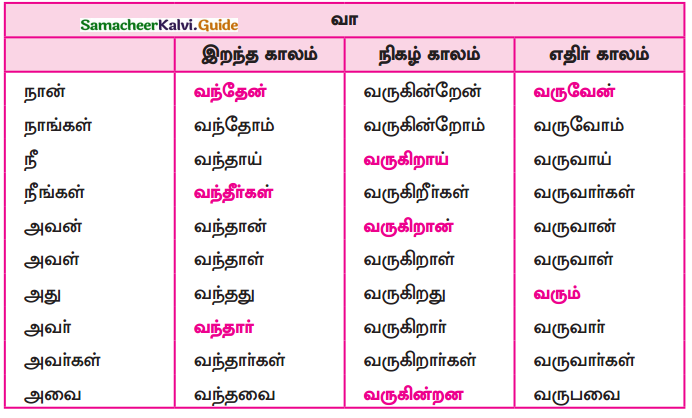
  • ஆகிய, ஆன என்னும் பண்பு உருபுகள் மறைந்து வரும்.
    எ.கா: செங்காந்தள், வட்டத்தொட்டி.

Question 8.
இருபெயரொட்டுப் பண்புத்தொகை என்றால் என்ன? சான்று தருக.
Answer:

  • சிறப்புப் பெயர் முன்னும் பொதுப் பெயர் பின்னுமாக வரும்.
  • இடையில் ஆகிய என்னும் பண்பு உருபு தொக்கி வரும்.
    எ.கா: மார்கழித் திங்கள்.

Question 9.
உவமைத்தொகை என்றால் என்ன? எடுத்துக்காட்டு தந்து விளக்குக.
Answer:
உவமைக்கும் உவமேயத்திற்கும் இடையில் உவம உருபு மறைந்து வரும்.
எ.கா: மலர்க்கை . உவமை – மலர், உவமேயம் – கை, உவம உருபு – போன்ற.
மலர் போன்ற கை எனப் பொருள் படும்.

Samacheer Kalvi 10th Tamil Guide Chapter 2.5 தொகைநிலைத் தொடர்கள்

Question 10.
உம்மைத்தொகை என்றால் என்ன? சான்று தந்து விளக்குக.
Answer:
இருசொற்களுக்கு இடையிலும் இறுதியிலும் ‘உம்’ என்னும் இடைச்சொல் மறைந்து வரும். எ.கா: தாய்சேய், அண்ண ன் தம்பி.
தாயும் சேயும், அண்ணனும் தம்பியும் என விரிந்து பொருளை உணர்த்துகின்றன.

Question 11.
அன்மொழித்தொகை என்றால் என்ன?
Answer:
வேற்றுமை, வினை, பண்பு, உவமை, உம்மை ஆகிய தொகை நிலைத் தொடர்களில் அல்லாத வேறு சொற்கள் மறைந்து நின்று பொருள் தரும்.
எ.கா: முறுக்கு மீசை வந்தார்.
முறுக்கு மீசையை உடையவர் வந்தார் எனத் தொகை நிலைத்தொடர் அல்லாத வேறு சொல் மறைந்து நின்று பொருள் தருகிறது.

Question 12.
உம்மைத்தொகை எத்தனை அளவுப் பெயர்களைத் தொடர்ந்து வரும்? அவை யாவை?
Answer:
உம்மைத்தொகை நான்கு அளவுப் பெயர்களைத் தொடர்ந்து வரும். அவை:

  • எண்ண ல்
  • நீட்டல்
  • எடுத்தல்
  • முகத்தல்

Samacheer Kalvi 10th Tamil Guide Chapter 2.5 தொகைநிலைத் தொடர்கள்

Question 13.
இடைச்சொல் மறைந்து வரும் தொகைச் சொற்கள் எவை?
Answer:

  • வேற்றுமைத் தொகை
  • இருபெயரொட்டுப் பண்புத்தொகை
  • வினைத்தொகை
  • உவமைத்தொகை
  • பண்புத்தொகை
  • அன்மொழித்தொகை

Samacheer Kalvi 10th Tamil Guide Chapter 2.5 தொகைநிலைத் தொடர்கள்

Question 14.
வினைத்தொகையைச் சான்றுடன் விளக்குக.
Answer:
காலம் கரந்த பெயரெச்சம். காலம் காட்டும். இடைநிலையும் பெயரெச்ச விகுதியும் மறைந்து நிற்கும். வினைப்பகுதியைத் தொடர்ந்து ஒரு பெயர் வந்து ஒரு சொல்லைப் போல் நடக்கும். எ.கா: வீசு தென்றல் என்பது, வீசிய தென்றல் வீசுகின்ற தென்றல் வீசும் தென்றல் என முக்காலத்திற்கும் பொருந்தும்.

Samacheer Kalvi 10th Tamil Guide Chapter 2.4 புயலிலே ஒரு தோணி

Students can Download 10th Tamil Chapter 2.4 புயலிலே ஒரு தோணி Questions and Answers, Summary, Notes, Samacheer Kalvi 10th Tamil Guide Pdf helps you to revise the complete Tamilnadu State Board New Syllabus, helps students complete homework assignments and to score high marks in board exams.

Tamilnadu Samacheer Kalvi 10th Tamil Solutions Chapter 2.4 புயலிலே ஒரு தோணி

கற்பவை கற்றபின்

Question 1.
கடலில் புயலின் தாக்கத்தினால் ஏற்பட்ட பதற்றத்தை வெளிப்படுத்த அடுக்குத் தொடர்களும் வருணனைகளும் எவ்வாறெல்லாம் பயன்பட்டுள்ளன என்பது குறித்து வகுப்பில் பேசுக.
Answer:

  • புயலின் சீற்றத்தினால் சிக்கித் தவித்தவர்கள் ‘இருள் நீங்கி சூரிய வெளிச்சத்தைக் கண்டதும் ‘சூரியன் சூரியன் சூரியன்’ எனச் சற்று பதற்றம் நீங்கக் கூறினர்.
  • புயலில் சிக்கி ஐந்தாம் நாள் கரையைக் கண்டபோது “கரை கரை” எனச் சத்தமிட்டனர். மேற்கண்ட அடுக்குத் தொடர்கள் பதற்றத்தின் மத்தியில் காக்கப்படுவோம் என்னும் நம்பிக்கையில் கூறியதாகும்.
  • எண்ணெய் பூசியவைப் போல் மொழுமொழுவென நெளிந்த அலைகள் என்ற வருணனை, அலையின் தன்மையை எடுத்துக்காட்டுகிறது.
  • வானைப் பிளந்த பின்னல் கீற்றுகள். வானம் உடைந்து வெள்ளம் கொட்டியது என்ற வருணனைகள் மின்னலின் அகோர ஒளி வீச்சையும், மழைப் பொழிவின் அளவு மற்றும் வேகத்தைக் குறிப்பதாய் அமைந்துள்ளது.
  • தலைக்கு மேல் வெள்ளம்; வானுடன் கடல் கலந்து வளியுடன் இணைந்து விட்டது என்னும் தொடர் மூலம் புயலில் தோணியின் நிலை என்னவாயிருக்கும் என்பதை உணர்த்துகிறது.

Samacheer Kalvi 10th Tamil Guide Chapter 2.4 புயலிலே ஒரு தோணி

Question 2.
நீங்கள் எதிர்கொண்ட இயற்கை இடர் குறித்து விவரித்து எழுதுக.
(மழை, வெள்ளம், புயல், வறட்சி)
Answer:
மழை :
தவறிப்பெய்த பருவமழையால் அறுவடைக்குத் தயாராய் இருந்த பயிர்கள் நீரில் நனைந்து நாசம் அடைந்தன. போக்குவரத்து பாதிப்புகளால் மக்கள் பல இன்னல்களுக்கு ஆளாயினர். மழைப் பொழிவின் காரணமாக மக்கள் பலர் வெளியே செல்ல முடியாததாலும். மின்சாரம் தடை செய்யப்பட்டதாலும் பல தொழில்கள் முடங்கின.

புயல் :
சென்னைக்குத் தென்கிழக்கே 260 கி.மீ தொலைவிலும், நாகைக்கு வடகிழக்கே 180 கி.மீ தொலைவிலும் மையம் கொண்டிருந்த கஜா புயல், மேற்கு தென் மேற்குத் திசையில் நகர்ந்து கடலூர் பாம்பன் இடையே நாகைக்கு அருகே மணிக்கு 111 கி.மீ வேகத்தில் கரையைக் கடந்தது. புயலானது கரையைக் கடந்த போதிலும் டெல்டா மற்றும் கரையோர பகுதி மக்களின் கவலை இன்னும் கடந்து போகவில்லை. ஏனெனில் விவசாயிகள், மீனவர்கள் ஆகியோரின் வாழ்வாதாரமே அழிந்தது.
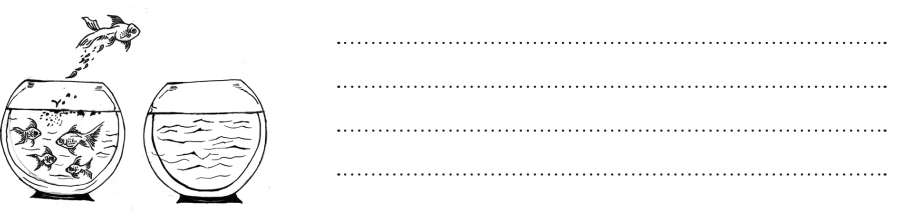
Samacheer Kalvi 10th Tamil Guide Chapter 2.4 புயலிலே ஒரு தோணி

வெள்ளம்:
கடந்த 2018 ஆம் ஆண்டு கேரளாவில் ஏற்பட்ட வெள்ளமானது அம்மாநிலத்தையே புரட்டிப் போட்டது. தென்மேற்கு பருவக்காற்றினால் ஏற்பட்ட மழைப்பொழிவே இதற்குக் காரணம். வெள்ளத்தினால் ஏற்பட்ட மண்சரிவில் சிக்கி பலர் உயிரிழந்தனர். இதில் கேரளாவில் உள்ள இடுக்கி, வயநாடு கோழிக்கோடு உட்பட 10 மாவட்டங்கள் பெரிதும் பாதிக்கப்பட்டன. மலைப்பாதையில் ஏற்பட்ட மண்சரிவினால் போக்குவரத்து பாதிக்கப்பட்டது.

வறட்சி:
இந்திய வானிலைத் துறையின் கூற்றுப்படி 10 சதவிதத்திற்கும் குறைவான மழைப்பொழிவு இருக்குமேயானால் அந்நாட்டை வறட்சியால் பாதிக்கப்பட்ட நாடு எனலாம். பற்றாக் குறையான மழைப் பொழிவே வறட்சிக்குக் காரணம் பருவகாலம் பொய்த்துப் போவதால் உருவாகும்.

மழைப் பொழிவின்மை , பருவகால மாறுபாடுகள், காடுகள் அழிவு, சுற்றுச்சூழல் சீர்கேடு, அதிக அளவு ஆவியாதல், மோசமான நில மேலாண்மை , அதீத மேய்ச்சல், மண் அரிப்பு ஆகியன வறட்சி ஏற்பட முக்கியக் காரணங்களாகும்.

பாடநூல் வினாக்கள்

சிறுவினா

Question 1.
மழை நின்றவுடன் புலப்படும் காட்சியை வருணித்து எழுதுக.
Answer:
குறிப்பு : இலைகளில் சொட்டும் நீர் – உடலில் ஓடும் மெல்லிய குளிர் – தேங்கிய குட்டையில் ‘சளப் தளப்’ என்று குதிக்கும் குழந்தைகள் – ஓடும் நீரில் காகிதக் கப்பல்.

  • • தேனடையிலிருந்து விழும் தேன் துளியைப் போல சில மணித்துளிகளுக்கு ஒரு முறை நீர் சொட் சொட்’ என விழுந்தது.
  • விரும்பத்தக்க தென்றலைப் போலவும் மயிலிறகின் வருடல் போலவும் மெல்லிய குளிர் உடலில் ஓடும்.
  • நீர் உள்ள தடாகத்திலே பல வகையான மீன்களும் தவளைகளும் தாவிக்குதிக்கும் போது ஏற்படும் ஓசையை ஒத்த ‘சளப் தளப்’ என்ற சத்தத்துடன் தேங்கிக் கிடந்த நீர்க் குட்டையில் குழந்தைகள் குதித்து விளையாடி மகிழ்ந்தனர்.
  • அமைதியான நீரோட்டம் கொண்ட நதியானது இழுத்து வரும் சிறுசிறு கட்டை மற்றும் இதர பொருட்கள் போல குழந்தைகள் ஓடும் நீரில் காகிதக் கப்பல்களை விட்டு மகிழ்ந்தனர்.

Samacheer Kalvi 10th Tamil Guide Chapter 2.4 புயலிலே ஒரு தோணி

நெடுவினா

Question 1.
புயலிலே ஒரு தோணி கதையில் இடம்பெற்றுள்ள வருணனைகளும் அடுக்குத் தொடர்களும் ஒலிக்குறிப்புச் சொற்களும் புயலில் தோணி படும்பாட்டை எவ்வாறு விவரிக்கின்றன?
Answer:
Samacheer Kalvi 10th Tamil Guide Chapter 2.4 புயலிலே ஒரு தோணி - 1
முன்னுரை:
மனித வாழ்க்கை போல இயற்கையும் இன்பம் துன்பம் நிறைந்தது. அந்த வகையில் ‘புயலிலே ஒரு தோணி’ என்ற புதினத்தில், பா.சிங்காரம் எழுதியுள்ள வருணனை, அடுக்குத்தொடர் மற்றும் ஒலிக்குறிப்பும் பற்றி இக்கட்டுரையில் காண்போம்.

புயல் வருணனை:
கொளுத்தும் வெயில் இமைக்கும் நேரத்தில் மறைந்துவிட்டது. பாண்டியன் அண்ணாந்து பார்த்தான். மேகங்கள் கும்மிருட்டு ஆனது. காற்றில்லாமல் ஒரே இறுக்கமானது. இடிமுழக்கத்துடன் மின்னல் வானத்தைப் பிளந்தது. வானம் உடைந்தன. வெள்ளம் கொட்டியது. சூறாவளி ஆடிக்குதித்தது.

வானுடன் கடல் கலந்துவிட்டது. மழை தெரியவில்லை. கடல் வெறிக் கூத்தாட்டத்தால் தொங்கான் மூழ்கி சிப்பங்கள் கடலில் நீந்துகின்றன. வானம், கடல், காற்று, மழை ஒன்று சேர்ந்து கூக்குரலிட்டது. வானம் பிளந்து நெருப்பைக் கக்கியது.

அடுக்குத்தொடர்:
தொங்கான் நடுநடுங்கித் தாவிதாவிகுதிகுதித்தது. பிறகு தொங்கான் குதித்து விழுந்து நொறுநொறு என்று நொறுங்கியது. சுழன்று கிறுகிறுத்துக் கூத்தாடியது.

Samacheer Kalvi 10th Tamil Guide Chapter 2.4 புயலிலே ஒரு தோணி

ஒலிக்குறிப்பு:
தொங்கான் தாவி விழுந்தது, சுழல்கின்றது. கடலில் சிலுசிலு மரமரப்பு நொய்ங் புய்வ், நொய்ங், புய்ங் என இடி முழக்கம் செய்ய சீனப் பிசாசுகள் தாவி வீசுகின்றன. பகல் இரவாகி உப்புக் காற்று உடலை வருடியது.

முடிவுரை:
புயலுக்குப் பின்னால் ஐந்தாம் நாள் கரை தென்பட்டது. அடுத்தநாள் முற்பகல் பினாங்கு துறைமுகத்தை அணுகினார்கள். பிலவானிலிருந்து சுமத்ராவரை புயல் இப்படிப் பயமுறுத்தியது. இத்தகைய வருணனையோடு புயலில் தோணிபடும்பாட்டை அழகாய்’ விவரிக்கின்றார் பா. சிங்காரம்.

கூடுதல் வினாக்கள்

பலவுள் தெரிக

Question 1.
புயலிலே ஒரு தோணி என்பது
அ) சிறுகதை
ஆ) புதினம்
இ) காப்பியம்
ஈ) கவிதை
Answer:
ஆ) புதினம்

Question 2.
‘புயலிலே ஒரு தோணி’ என்னும் புதினத்தின் ஆசிரியர்
அ) ப. சிங்காரம்
ஆ) மு.வ.
இ) திரு.வி.க.
ஈ) அகிலன்
Answer:
அ) ப. சிங்காரம்

Samacheer Kalvi 10th Tamil Guide Chapter 2.4 புயலிலே ஒரு தோணி

Question 3.
வடஇந்தியப் பெருங்கடலில் உருவாகும் புயல்களுக்குப் பெயர் வைக்கும் நடைமுறை தொடங்கப்பட்ட ஆண்டு
அ) 2004
ஆ) 2000
இ) 1999
ஈ) 1940
Answer:
ஆ) 2000

Question 4.
இலங்கை தந்த புயலின் பெயர்
அ) அக்னி
ஆ) ஆகாஷ்
இ) கஜா
ஈ) ஜல்
Answer:
இ) கஜா

Question 5.
‘கப்பித்தான்’ என்பது எதைக் குறிக்கிறது?
அ) தலைமை மாலுமி
ஆ) கப்பல்
இ) புயல்
ஈ) பயணி
Answer:
அ) தலைமை மாலுமி

Samacheer Kalvi 10th Tamil Guide Chapter 2.4 புயலிலே ஒரு தோணி

Question 6.
‘தொங்கான்’ என்பது எதைக் குறிக்கிறது?
அ) தலைமை மாலுமி
ஆ) கப்ப ல்
இ) புயல்
ஈ) பயணி
Answer:
ஆ) கப்பல்

Question 7.
புலம்பெயர்ந்த தமிழர்களைப் பற்றிய முதல் புதினம்
அ) புயலிலே ஒரு தோணி
ஆ) தோணி வருகிறது
இ) கள்ளத் தோணி
ஈ) அகல்விளக்கு
Answer:
அ) புயலிலே ஒரு தோணி

Question 8.
தென்கிழக்காசியப் போர் மூண்டதில் மலேசியா, இந்தோனேசியா பகுதிகளில் நிகழ்வதாக உள்ள கற்பனைப் படைப்பு
அ) ஆறாம் திணை
ஆ) புயலிலே ஒரு தோணி
இ) பால் மரக்காட்டினிலே
ஈ) இவற்றில் எதுவுமில்லை
Answer:
ஆ) புயலிலே ஒரு தோணி

Samacheer Kalvi 10th Tamil Guide Chapter 2.4 புயலிலே ஒரு தோணி

Question 9.
புயலிலே ஒரு தோணி என்னும் புதினத்தின் என்னும் அத்தியாயத்தின் சுருக்கப்பட்ட பகுதி பாடமாக வைக்கப்பட்டுள்ளது. அ) காவியக்கூத்து
ஆ) கலைக்கூத்து
இ) கடற்கூத்து
ஈ) இசைக்கூத்து
Answer:
இ) கடற்கூத்து

Question 10.
பா. சிங்காரத்தின் ஊர் – மாவட்டம்)
அ) சிங்கம்புணரி, சிவகங்கை
ஆ) உறையூர், திருச்சி
இ) மேட்டுப்புதூர், ஈரோடு
ஈ) தென்காசி, திருநெல்வேலி
Answer:
அ) சிங்கம்புணரி, சிவகங்கை

Samacheer Kalvi 10th Tamil Guide Chapter 2.4 புயலிலே ஒரு தோணி

Question 11.
ப. சிங்காரம்
இந்தோனேசியா சென்றார்.
அ) வேலைக்காக
ஆ) தூதராக
இ) ஆய்வாளராக
ஈ) அகதியாக
Answer:
அ) வேலைக்காக

Question 12.
ப. சிங்காரம் பணியாற்றிய இதழ்
அ) தினகரன்
ஆ) தினமணி
இ) தினத்தந்தி
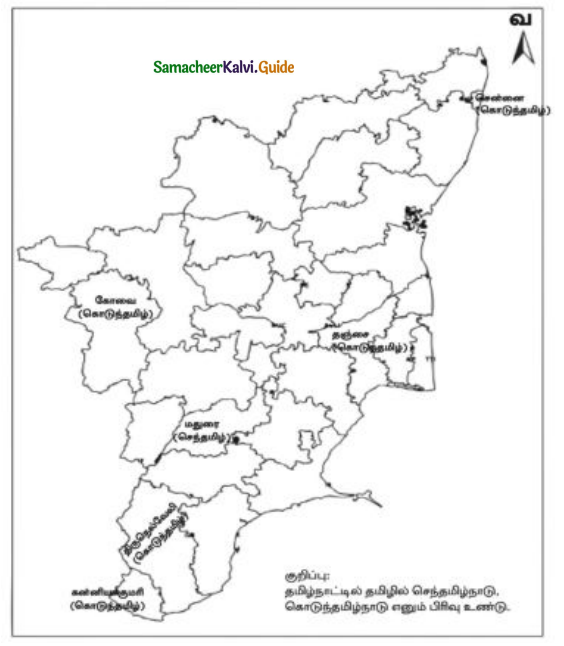
ஈ) தினபூமி
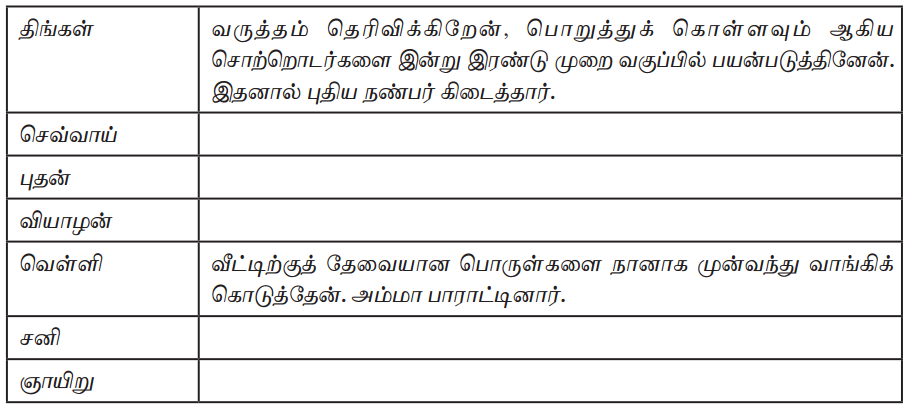
Answer:
இ) தினத்தந்தி

Question 13.
ப. சிங்காரத்தின் சேமிப்பான இலட்சம் ரூபாயை மாணவர்களின் கல்வி வளர்ச்சிக்காக வழங்கினார்.
அ) ஏழரை
ஆ) ஆறரை
இ) நான்கரை
ஈ) பத்து
Answer:
அ) ஏழரை

Samacheer Kalvi 10th Tamil Guide Chapter 2.4 புயலிலே ஒரு தோணி

Question 14.
‘பல் பழப் பலவின் பயங்கெழு கொல்லி’ என்று குறிப்பிடும் நூல்
அ) புறநானூறு
ஆ) அகநானூறு
இ) கலித்தொகை
ஈ) நாலடியார்
Answer:
ஆ) அகநானூறு

Question 15.
கொல்லிமலை அமைந்துள்ள மாவட்டம்
அ) தர்மபுரி
ஆ) சேலம்
இ) நாமக்கல்
ஈ) திண்டுக்கல்
Answer:
இ) நாமக்கல்

Samacheer Kalvi 10th Tamil Guide Chapter 2.4 புயலிலே ஒரு தோணி

Question 16.
புதுதில்லியில் உள்ள உலக வானிலை அமைப்பின் மண்டலம் சிறப்பு வானிலை ஆய்வுமையம் 2004 செப்டம்பரில் இருந்து புயல்களுக்குப் பெயர் வைக்க பெயர்களைப் பட்டியலிட்டுள்ளது.
அ) 62
ஆ) 64
இ) 60
ஈ) 54
Answer:
ஆ) 64

Question 17.
‘பெய்ட்டி ‘ புயலின் பெயரைத் தந்த நாடு
அ) இந்தியா
ஆ) இலங்கை
இ) ஓமன்
ஈ) தாய்லாந்து
Answer:
ஈ) தாய்லாந்து

Question 18.
புயலுக்கு இந்தியா தந்துள்ள பெயர்களில் நான்கு பூதங்களைக் கண்டறி.
அ) அக்னி, ஆகாஷ், பிஜ்லி, ஜல்
ஆ) மேக், அக்னி, ஜல்
இ) மேக், சாகர், வாயு, ஆகாஷ்
ஈ) பிஜ்லி, அக்னி, மேக், கஜா
Answer:
அ) அக்னி, ஆகாஷ், பிஜ்லி, ஜல்

Samacheer Kalvi 10th Tamil Guide Chapter 2.4 புயலிலே ஒரு தோணி

Question 19.
வானிலை ஆய்வாளர்கள், பொதுமக்கள், கடல் மாலுமிகள் ஆகியோர்க்கு வானிலை எச்சரிக்கையைப்
புரிந்து கொண்டு செயல்படக் கொடுக்கப்படுவது
அ) புயலின் பெயர்கள்
ஆ) கலங்கரை விளக்கம்
இ) நிவாரண உதவி
ஈ) திசைகாட்டும் கருவி
Answer:
அ) புயலின் பெயர்கள்

Question 20.
நூற்றாண்டின் தொடக்கத்தில் தெற்காசிய நாடுகளில் பல்வேறு நாடுகளைச் சேர்ந்தவர்கள் குடியேறினர்.
அ) பதினெட்டாம்
ஆ) பத்தொன்பதாம்
இ) பதினாறாம்
ஈ) பதினேழாம்
Answer:
ஆ) பத்தொன்பதாம்

Question 21.
ப. சிங்காரம் இரண்டாம் உலகப் போர் நிகழ்ந்த போது இருந்த இடம்
அ) இந்தோனேசியா, மெபின் நகர்
ஆ) இலங்கை, யாழ்ப்பாணம்
இ) மலேசியா, கோலாலம்பூர்
ஈ) சீனா, பெய்ஜிங்
Answer:
அ) இந்தோனேசியா, மெபின் நகர்

Samacheer Kalvi 10th Tamil Guide Chapter 2.4 புயலிலே ஒரு தோணி

Question 22.
பொருத்திக் காட்டுக.
i) கப்பித்தான் – 1. இந்தோனேசியாவிலுள்ள இடம்
ii) தொங்கான் – 2. மீன் வகை
iii) அவுலியா – 3. கப்பல்
iv) பிலவான் – 4. தலைமை மாலுமி (கேப்டன்)
அ) 4, 3, 2, 1
ஆ) 3, 2, 1, 4
இ) 2, 1, 3, 4
ஈ) 3, 4, 2, 1
Answer:
அ) 4, 3, 2, 1

Question 23.
“ஓடி வாருங்கள்! இங்கே ஓடி வாருங்கள்! லெக்காஸ், லெக்காஸ்! என்று கத்தியவன்
அ) பாண்டியன்
ஆ) கப்பித்தான்
இ) ஜப்பானிய அதிகாரி
ஈ) குஸ்டாவ்
Answer:
ஆ) கப்பித்தான்

Samacheer Kalvi 10th Tamil Guide Chapter 2.4 புயலிலே ஒரு தோணி

Question 24.
‘தமிரோ’ என்று உறுமியவர்
அ) மாலுமி
ஆ) ஜப்பானிய அதிகாரி
இ) சீன அதிகாரி
ஈ) பாண்டியன்
Answer:
ஆ) ஜப்பானிய அதிகாரி

Question 25.
வானிலை மாற்றத்தைக் கண்டு எழுந்து போய்ப் பார்த்தவன்
அ) மாலுமி
ஆ) பாண்டியன்
இ) கப்பித்தான்
ஈ) சேரன்
Answer:
ஆ) பாண்டியன்

Tamil Nadu 11th Economics Model Question Paper 3 English Medium

Students can Download Tamil Nadu 11th Economics Model Question Paper 3 English Medium Pdf, Tamil Nadu 11th Economics Model Question Papers helps you to revise the complete Tamilnadu State Board New Syllabus, helps students complete homework assignments and to score high marks in board exams.

TN State Board 11th Economics Model Question Paper 3 English Medium

General Instructions:

  1. The question paper comprises of four parts.
  2. You are to attempt all the parts. An internal choice of questions is provided wherever applicable.
  3. All questions of Part I, II, III and IV are to be attempted separately.
  4. Question numbers 1 to 20 in Part I are Multiple Choice Questions of one mark each.
    These are to be answered by choosing the most suitable answer from the given four alternatives and writing the option code and the corresponding answer
  5. Question numbers 21 to 30 in Part II are two-mark questions. These are to be answered in about one or two sentences.
  6. Question numbers 31 to 40 in Part III are three-mark questions. These are to be answered in above three to five short sentences.
  7. Question numbers 41 to 47 in Part IV are five-mark questions. These are to be answered in detail Draw diagrams wherever necessary.

Time: 3:00 Hours
Maximum Marks: 90

PART – I

Choose the correct answer. Answer all the questions: [20 × 1 = 20]

Question 1.
Knitted garment production is concentrated in …………………..
(a) Coimbatore
(b) Tiruppur
(c) Erode
(d) Karur
Answer:
(b) Tiruppur

Question 2.
The recommendation of Narashimham Committee Report was admitted in the year ………………….
(a) 1990
(b) 1991
(c) 1995
(d) 2000
Answer:
(b) 1991

Tamil Nadu 11th Economics Model Question Paper 3 English Medium

Question 3.
In literacy rate, TN ranks …………………
(a) Second
(b) Fourth
(c) Sixth
(d) Eighth
Answer:
(d) Eighth

Question 4.
The average revenue curve under monopolistic competition will be ………………….
(a) Perfectly inelastic
(b) Perfectly elastic
(c) Relatively
(d) Unitary elastic
Answer:
(c) Relatively

Question 5.
The main theme of the Twelfth Five Year Plan …………………..
(a) Faster and more inclusive growth
(b) Growth with social Justice
(c) Socialistic pattern of society
(d) Faster, more inclusive and sustainable growth
Answer:
(d) Faster, more inclusive and sustainable growth

Question 6.
The Oldest large scale industry in India …………………
(a) Cotton
(b) Jute
(c) Steel
(d) Cement
Answer:
(a) Cotton

Tamil Nadu 11th Economics Model Question Paper 3 English Medium

Question 7.
The main gold mine region in kamataka is ………………..
(a) Kolar
(b) Ramgiri
(c) Anantpur
(d) Cochin
Answer:
(a) Kolar

Question 8.
The command Ctrl + M is applied for …………………..
(a) Saving
(b) Copying
(c) Getting new slide
(d) Deleting a slide
Answer:
(c) Getting new slide

Tamil Nadu 11th Economics Model Question Paper 3 English Medium

Question 9.
Theory of distribution is popularly known as ………………………
(a) Theory of product pricing
(b) Theory of factor pricing
(c) Theory of wages
(d) Theory of Interest
Answer:
(b) Theory of factor pricing

Question 10.
Identify the formuld of estimating average cost ………………………
(a) AVC/Q
(b) TC/Q
(c) TVC/Q
(d) AFC/Q
Answer:
(b) TC/Q

Tamil Nadu 11th Economics Model Question Paper 3 English Medium

Question 11.
The cost per unit of output is denoted by …………………. cost.
(a) Average
(b) Marginal
(c) Variable
(d) Total
Answer:
(a) Average

Question 12.
Revenue received from the sale of additional unit is turned as …………………. revenue.
(a) Profit
(b) Average
(c) Marginal
(d) Total
Answer:
(c) Marginal

Tamil Nadu 11th Economics Model Question Paper 3 English Medium

Question 13.
The Headquarters of Southern Railway is at ……………………
(a) Tiruchirappalli
(b) Chennai
(c) Madurai
(d) Coimbatore
Answer:
(b) Chennai

Question 14.
Financial sector reforms mainly related to …………………….
(a) Insurance sector
(b) Banking sector
(c) Both (a) & (b)
(d) Transport sector
Answer:
(c) Both (a) & (b)

Tamil Nadu 11th Economics Model Question Paper 3 English Medium

Question 15.
Identify the cause for rural indebtedness in India.
(a) Poverty
(b) High population
(c) High productivity
(d) Full employment
Answer:
(a) Poverty

Question 16.
Differentiation of constant term gives …………………..
(a) One
(b) Zero
(c) Infinity
(d) Non – infinity
Answer:
(b) Zero

Tamil Nadu 11th Economics Model Question Paper 3 English Medium

Question 17.
The recommended nutritional intake per person in rural areas …………………
(a) 2100 calories
(b) 2200 calories
(c) 2300 calories
(d) 2400 calories
Answer:
(d) 2400 calories

Question 18.
Perfect competition assumes …………………….
(a) Luxury goods
(b) Producer goods
(c) Differentiated goods
(d) Homogeneous goods
Answer:
(d) Homogeneous goods

Tamil Nadu 11th Economics Model Question Paper 3 English Medium

Question 19.
The concept of ‘Quasi – Rent’ is associated with ……………………
(a) Ricardo
(b) J.M. Keynes
(c) Walker
(d) Marshall
Answer:
(d) Marshall

Question 20.
In Economics, distribution of income is among the ………………….
(a) Factors of production
(b) Individual
(c) Firms
(d) Traders
Answer:
(a) Factors of production

PART – II

Answer any seven question in which Question No. 30 is compulsory. [7 × 2 = 14]

Question 21.
State the meaning of liquidity preference?
Answer:

  1. Liquidity preference means the preference of the people to hold wealth in the form of liquid cash rather than in other non – liquid assets like bonds, securities, bills of exchange, land, building, gold etc.
  2. “Liquidity Preference is the preference to have an equal amount of cash rather than of claims against other”.

Tamil Nadu 11th Economics Model Question Paper 3 English Medium

Question 22.
State the various components of central sector schemes under post – harvest measures?
Answer:

  1. Mega food parks, Integrated cold chain, Value Addition Preservation, Infrastructure and modernization of slaughter house.
  2. Scheme for quality Assurance, Codex Standards, Research and Development and other promotional activities.

Question 23.
What are the nuclear power plants in Tamil Nadu?
Answer:
The Kalpakkam Nuclear Power Plant and the Koodankulam Nuclear Power plant are the major nuclear energy plants for the energy grid.

Question 24.
Give the meaning of deductive method?
Answer:

  1. Deductive method is also named as analytical or abstract method.
  2. It consists in deriving conclusions from general truths,
  3. It takes few general principles and applies them to draw conclusions.
  4. The classical and neo – classical school of economists notably, Ricardo, JS Mill, Malthus Marshall, Pigou applied the deductive method in their economic investigations.

Question 25.
Give a short note on Sen’s ‘Choice of Technique’?
Answer:
Sen’s ‘Choice of Technique’ was a research work where he argued that in a labour surplus economy, generation of employment cannot be increased at the initial stage by the adaptation of capital – intensive technique.

Tamil Nadu 11th Economics Model Question Paper 3 English Medium

Question 26.
Give the meaning of non – renewable energy?
Answer:
Non – renewable energy sources:

  1. The sources of energy which cannot be renewed or re – used are called non – renewable energy sources.
  2. Basically these are the energy sources which will get exhausted over a period of time.
  3. Some of the examples of this kind of resources are coal, oil, gas etc.

Question 27.
Distinguish goods from services?
Answer:

Goods

Services

1. Free and Economic goods. Ex: air and sunshine1. Intangible

Ex: brand image 1 pen drive

2. Consumer goods. Ex: TV, Furniture, Automobile, etc.2. Heterogeneous

Ex: Music, Consulting physicians etc.

3. Capital goods also called producer goods. Ex: Machines3. Inseparable from their makers Ex: Labour and Labourer
4. Perishable goods Ex: Fish, Fruits, Flower.4. Perishable. Ex: A ticket for a cricket match once the match is over.
5. Durable Goods Ex: table, chair.5.           –

Tamil Nadu 11th Economics Model Question Paper 3 English Medium

Question 28.
Write the meaning of Economic Growth?
Answer:

  1. Economic growth is usually measured by National Income, indicated by cross domestic product. [GDP].
  2. The GDP is the total monetary value of the goods and services produced by that country over a specific period of time, usually one year.
  3. On the basis of the level of economic development, nations are classified as developed and developing economies.

Question 29.
Name the basic approaches to consumer behaviour?
Answer:
There are two basic approaches, namely:

1. Utility approach

  1. The utility approach involves the use of measurable (cardinal) utility to study consumer behaviour.
  2. Marshall is the chief exponent of the utility approach to the theory of demand. It is known cardinal utility analysis or marginal utility analysis or marshallian utility analysis.

2. Indifference curve approach
The indifference curve approach was the idea of comparable utility [ordinal utility] J.R. Hicks and R.G.D. Allen introduced the indifference curve approach.

Tamil Nadu 11th Economics Model Question Paper 3 English Medium

Question 30.
What do you mean by fixed cost?
Answer:

  1. Fixed Cost does not change with the change in the quality of output.
  2. Fixed Cost is also called as “Supplementary Cost “or Overhead Cost”.
  3. All payments for the fixed factors of production are known as Total Fixed Cost.

PART – III

Answer any seven question in which Question No. 40 is compulsory. [7 × 3 = 21]

Question 31.
Write the formula of consumers surplus?
Answer:
Consumer’s Surplus = Total utility [Actual price × Units of commodity]
= TU – [P × Q]
20 – [2 × 5] = 20 – 10 =10
Total utility = 20
Actual price = 2
Quantity = 5

Tamil Nadu 11th Economics Model Question Paper 3 English Medium

Question 32.
Mention any two type of price discrimination?
Answer:

  1. Personal: Different prices are charged for different individuals. For example, the railways give tickets at concessional rate to the ‘Senior citizens’ for the same journey.
  2. Geographical: Different prices are charged at different places for the same product. For example, a book sold within India at a price is sold in a foreign countiy at lower price.

Question 33.
Explain different types of economic activities?
Answer:
The seven types of economic activities are:

1. Micro Economics: Micro Economics is the study of the economic actions of individuals say households, firms or industries.
Micro economics covers:-

  1. Value theory [product pricing and factor pricing]
  2. Theory of economic welfare.

2. Macro – Economics:

  1. Macro economics is the obverse of micro economics.
  2. The general theory of employment, Interest and money published by Keynes is the basis of modem macro economics.

3. International Economics:

  1. In the modem world, no country can grow in isolation.
  2. Every country is having links with the other countries through foreign capital, investment [foreign direct investment] and international trade.

4. Public Economics:

  1. Public finance is concerned with the income or revenue raising and expenditure incurring activities.
  2. The scope of public finance covers public expenditure, public revenue, public debt and financial administration.

5. Developmental Economics:
The development economics, deals with features of developed nations, obstacles for development, .economic and non- economic factors influencing development, various growth models and strategies.

6. Health Economics:

  1. Health economics is an area of applied economics.
  2. It covers health indicators , preventive and curative measures medical research and education, rural health mission, drug price control, neo – natal care, maternity and child health, budgetary allocation for health.

7. Environmental Economics:

  1. Depletion of natural resources stock and pollution result from rapid economic development.
  2. Environmental economics is a study of inter disciplinary tools for the problems of ecology, economy and environment.

Tamil Nadu 11th Economics Model Question Paper 3 English Medium

Question 34.
Write a note on Risk – bearing theory of profit?
Answer:

  1. Risk bearing theory of profit was propounded by the American economist F.B. Hawley in 1907.
  2. According to him, profit is the reward of risk taking in business.
  3. Risk taking is an essential function of the entrepreneur and is the basis of profits.
  4. It is a well know fact that every business involves some risks.
  5. Since the entrepreneur undertakes the risks, he receives profit.
  6. If the entrepreneur does not receive the reward, he will not be prepared to undertake the risks.
  7. Every entrepreneur products goods in anticipation of demand.
  8. It is the profit that induces the entrepreneurs to undertake such risks.

Question 35.
Distinguish between Fixed cost and Variable cost?
Answer:

Fixed Cost

Variable Cost

1. Fixed cost does not change with the change in the quantity of output.1. Variable cost vary with the level of output.
2. Fixed cost is also called as “Supplementary Cost” or “over head cost”.2. Variable cost is also called as “ Prime cost”, “Special cost” or Direct cost.
3. For example: Watchman’s wages, Permanent worker’s Salary, machines Insurance Premium deposite for power Licence fee, etc.3. For example: Temporary workers, cost of raw materials, fuel cost, electricity charges, etc.

Tamil Nadu 11th Economics Model Question Paper 3 English Medium

Question 36.
What are the characteristics of land?
Answer:

  1. Land is a primary factor of production
  2. Land is a passive factor of production
  3. Land is the free gift of nature
  4. Land has no cost of production
  5. Land is fixed in supply. It is inelastic in supply
  6. Land is permanent
  7. Land is immovable
  8. Land is heterogeneous as it differs in fertility
  9. Land has alternative uses
  10. Land is subject to Law of Diminishing Returns.

Question 37.
What are the factors governing elasticity of supply?
Answer:
1. Nature of the commodity:
Durable goods can be stored for a long time. So, the producers can wait until they get a high price. Once they get higher price, larger supply is possible. The elasticity of supply of durable goods is high. But perishables are to be sold immediately. So perishables have low elasticity of supply.

2. Cost of production:
When production is subject to either constant or increasing returns, additional production and therefore increased supply is possible. So elasticity of supply is greater. Under diminishing returns, increase in output leads to high cost. So elasticity of supply is less.

3. Technical condition:
In large scale production with huge capital investment, supply cannot be adjusted easily. So elasticity of supply is lesser. Where capital equipment is less and technology simple, the supply is more elastic.

4. Time factor:
During very short period when supply cannot be adjusted, elasticity of demand is very low. In short period, variable factors can be added and so supply can be adjusted to some extent. So elasticity of supply is more. In long period, even the fixed factors can be added and hence supply is highly elastic.

Tamil Nadu 11th Economics Model Question Paper 3 English Medium

Question 38.
Mention the similarities between perfect competition and monopolistic competition?
Answer:

Perfect Competition

Monopolistic Competition

1. Large number of buyers and sellers1. Large number of buyers and many sellers
2. Homogeneous product & uniform price2. Close substitute commodity
3. Free Entry and exit3. Free Entry and exit
4. Very small size of market for each firm4. Small size of market
5. It has no monopoly power5. Limited power
6. Uniform power (or) low price6. Moderate power
7. Price policy price taker7. Low control elasticity of demand
8. Price elasticity – infinite8. Some control over price depending on consumers brand loyalty

Question 39.
Write any three objectives of Industrial Policy 1991?
Answer:

  1. Economic development of a country particularly depends on the process of Industrialisation.
  2. At the time of Independence, India inherited a weak and shallow Industrial base.
  3. Therefore dining the post-Independence period, the Government of India took special emphasis on the development of a solid Industrial base.

Tamil Nadu 11th Economics Model Question Paper 3 English Medium

Question 40.
Enumerate the remedial measures to rural poverty?
Answer:
Remedial measures:

  1. Since rural unemployment and rural poverty are interrelated, creation of employment opportunities would support elimination of poverty.
  2. Poverty alleviation schemes and programmes have been implemented, modified, consolidated, expanded and improved over time.
  3. However, unemployment, begging, rag-picking and slumming continues.
  4. Unless employment is given to all the people poverty cannot be eliminated.

PART – IV

Answer all the questions. [7 × 5 = 35]

Question 41 (a).
Explain the objectives of nationalization of commercial banks?
Answer:
The Government of India nationalized the commercial banks to achieve the following objectives:

  1. The main objective of nationalization was to attain Social Welfare. Sectors such as agriculture, small and village industries were in need of funds for their expansion and further economic development.
  2. Nationalisation of banks helped to curb private monopolies in order to ensure a smooth supply of credit to socially desirable sections.
  3. In India, nearly 70% of population lived in rural areas. Therefore it was needed to encourage the banking habit among the rural population.
  4. Nationalisation of banks was required to reduce the regional imbalances where the banking facilities were not available.
  5. Before Independence, the numbers of banks were certainly inadequate. After nationalization, new bank branches were opened in both rural and urban areas.
  6. Banks created credit facilities mainly to the agriculture sector and its allied activities after nationalization.
    After New Economic Policy 1991, the Indian banking Industry has been facing the new horizons of competitions, efficiency and productivity.

[OR]

(b) Describe the Salient features of EXIM policy [2015 – 2020]?
Answer:
The new EXIM policy has been formulated focusing on increasing in exports Scenario, boosting production and supporting the concepts like Make in India and Digital India.
Salient Features:

  1. Reduce export obligations by 25% and give boost to domestic manufacturing supporting the “Make in India” concept.
  2. As a step to Digital India concept, online procedure to upload digitally signed document by CA /CS / Cost Accountant are developed and further mobile app for filing tax, stamp duty has been developed.
  3. Repeated submission of physical copies of documents available on Exporter Importer Profile is not required.
  4. Export obligation period for export items related to defence, military store, aerospace and nuclear energy to be 24 months.
  5. EXIM policy 2015 – 2020 is expected to double the share of India in World Trade from present level of 3% by the year 2020. This appears to be too ambitions.

Tamil Nadu 11th Economics Model Question Paper 3 English Medium

Question 42 (a).
Describe the wastes of monopolistic competition?
Answer:
Wastes of Monopolistic Competition:
Generally there are five kinds of wastages under monopolistic competition.

(I) Idle capacity:

  1. Un – utilized capacity is the difference between the optimum output that can be produced and the actual output produced by the firm.
  2. In the long run, a monopolistic firm produces delibourately output which is less than the optimum output that is the output corresponding to the minimum average cost.
  3. This leads to excess capacity which is actually as waste in monopolistic competition.

(II) Unemployment:

  1. Under monopolistic competition, the firms produce less than optimum output.
  2. As a result, the productive capacity is not used to the fullest extent.
  3. This will lead to unemployment of human resources also.

(III) Advertisement:

  1. There is a lot of waste in competitive advertisements under monopolistic competition.
  2. The wasteful and competitive advertisements lead to high cost to consumers.

(IV) Too many varieties of Goods:

  • The goods differ in size, shape, style and colour. A reasonable number of varieties would be sufficient.

(v) Inefficient firms:
Under monopolistic competition, inefficient firms charge prices higher than their marginal cost. Efficient firms cannot drive out the inefficient firms.

[OR]

(b) Illustrate the Ricardian Theory of Rent?
Answer:

  1. The Classical theory of Rent is called “ Ricardian Theory of Rent.”
  2. “ Rent is that portion of the produce of the earth which is paid to the landlord for the use of the original and indestructible powers of the soil” – David Ricardo

Ricardian theory of rent assumes the following:

  1. Land differs in fertility.
  2. The law of diminishing returns operates in agriculture.
  3. Rent depends upon fertility and location of land.
  4. Theory assumes perfect competition.
  5. It is based on the assumption of long period.
  6. There is existence of marginal land or no – rent land.
  7. Land has certain “Original and indestructible powers”.
  8. Land is used for cultivation only.
  9. Most fertile lands are cultivated first.

Tamil Nadu 11th Economics Model Question Paper 3 English Medium

Question 43 (a).
State the differences between money cost and real cost?
Answer:

Money cost

Real cost

1. Production cost expressed in money terms is called as money cost.1. Real cost refers to the payment made to compensate the efforts and sacrifices of all factor owners for their services in production.
2. Money cost includes the expenditures such as cost of raw materials, payment of wages and salaries, payment of rent, Interest on capital, expenses on fuel and power, expenses on transportation and other types of production related costs.2. Real cost includes the efforts and sacrifices of landlords in the use of. land, capitalists to save and invest, and workers, in foregoing leisure.
3. Money costs are considered as out of pocket expenses.3. Real cost are considered pains and sacrifices of labour as real cost of production.

[OR]

(b) Explain the Keynesian Theory of Interest?
Answer:

  1. Keynes Liquidity Preference Theory of Interest or The monetary Theory of Interest
  2. Keynes propounded the Liquidity Preference Theory of Interest in his famous book,
    “ The General Theory of Employment, Interest and Money “ in 1936.
  3. According to Keynes, interest is purely a monetary phenomenon because the rate of interest is calculated in terms of money.
  4. “Interest is the reward for parting with liquidity for a specified period of time”.

Meaning of Liquidity Preference:

  1. Liquidity preference means the preference of the people to hold wealth in the form of liquid cash rather than in other non – liquid assets like bonds, securities, bills of exchange, land, building, gold etc.
  2. “ Liquidity Preference is the preference to have an amount of cash rather than of claims against others” – Meyer.

Motives of Demand for Money:
According to Keynes, there are three motives for liquidity preferences. They are:

1. The Transaction Motive:
The transaction motive relates to the desire of the people to hold cash for the current transactions [ or-day-to-day expenses ] M( = f(y)

2. The Precautionary Motive:

  1. The precautionary motive relates to the desire of the people to hold cash to meet unexpected or unforeseen expenditures such as sickness, accidents, fire and theft.
  2. The amount saved for this motive also depends on the level of Income Mp = f(y)..

3. The Speculative Motive:

  1. The speculative motive relates to the desire of the people to hold cash in order to take
    advantage of market movements regarding the future changes in the price of bonds and securities in the capital market. M – f(i)
  2. There is inverse relation between liquidity preference and rate of interest.

Tamil Nadu 11th Economics Model Question Paper 3 English Medium img 1

Tamil Nadu 11th Economics Model Question Paper 3 English Medium

Question 44 (a).
Illustrate price and output determination under monopoly?
Answer:
Price & output Determination under Monopoly:
A monopoly is a one firm – industry. Therefore, a firm under monopoly faces a downward sloping demand curve (or AR curve). Since, under monopoly AR falls, as more units of output are sold, the MR lies below the AR curve (MR < AR). The monopolist will continue to sell his product as long as his MR > MC. He attains equilibrium at the level of output when its MC is equal to MR. Beyond this point, the producer will experience loss and hence will stop selling. Let us take the following hypothetical example of Total Revenue Function and Total cost function.

TR = 100Q – 4Q2 and
TC = Q3 – 18Q2 + 91Q + 12
Therefore AR = 100 – 4Q;
MR = 100 – XQ;
AC = Q2 – 18Q + 91 + 12/Q;
MC = 3Q2 – 36Q + 91;
When Q = 3,
AR = 100 – 4(3) = 88,
AC = 32 – 8(3) + 91 + 12/3
9 – 54 + 91 + 4 = 50;
MR = 100 – 8(3) = 76;
MC = 3(3)2 – 36(3) + 91
= 27 – 108 + 91 = 10

Tamil Nadu 11th Economics Model Question Paper 3 English Medium img 2

From this diagram, till he sells 3 units output, MR is greater than MC, and when he exceeds this output level, MR is less than MC. The monopoly firm will be in equilibrium at the level of output where MR is equal to MC. The price is 88.

To checkup how much profit the monopolist is making at the equilibrium output, the average revenue curves and the average cost curves are used. At equilibrium level of output is 3; the average revenue is 88 and the average cost is 50. Therefore (88 – 50 = 38) is the profit per unit.
Total profit = (Average Revenue – Average Cost) Total output = (88 – 50) × 3
= 38 × 3 = 114

[OR]

(b) Write a note on Risk – bearing theory of profit?
Answer:

  1. Risk bearing theory of profit was propounded by the American economist F.B. Hawley in 1907.
  2. According to him, profit is the reward of risk taking in business.
  3. Risk taking is an essential function of the entrepreneur and is the basis of profits.
  4. It is a well know fact that every business involves some risks.
  5. Since the entrepreneur undertakes the risks, he receives profit.
  6. If the entrepreneur does not receive the reward, he will not be prepared to undertake the risks.
  7. Every entrepreneur products goods in anticipation of demand.
  8. It is the profit that induces the entrepreneurs to undertake such risks.

Tamil Nadu 11th Economics Model Question Paper 3 English Medium

Question 45 (a).
What are the ideas of information and communication technology used in economics? Introduction: Information and communication Technology [ICT] is the infrastructure that enables computing faster and accurate?
Answer:
The following table gives an idea of range of technologies that fall under the category of ICT

Information

Technologies

1. CreationPersonal computers, Digital Camera, Scanner, Smart Phone
2. ProcessingCalculator, PC – Personal Computer, Smart Phone
3. StorageCD, DVD, Pen Drive, Microchip, Cloud
4. DisplayPC – Personal computer, TV – Television, Projector, Smart Phone
5. TransmissionInternet, Teleconference, Video, Conferencing, Mobile, Technology, Radio
6. ExchangeE – mail, Cell Phone

The evaluation of ICT has five phases:
They are evaluation in:

  1. Computer
  2. PC – Personal Computer
  3. Micro Processor
  4. Internet
  5. Wireless links

In Economics, the uses of mathematical and statistical tools need the support of ICT for:

  1. Data Compiling
  2. Editing
  3. Manipulating
  4. Presenting the results

[OR]

(b) Raja purchased 6 pens and 5 pencils spending ?49, Rani purchased 3 pens and 4 pencils spending ₹42. What is the price of a pen and pencil?
Answer:
\(\begin{bmatrix} 6 & 5 \\ 3 & 4 \end{bmatrix}\) \([\begin{matrix} x_{ 1 } \\ x_{ 2 } \end{matrix}]\) = \([\begin{matrix} 49 \\ 32 \end{matrix}]\) = \(\begin{vmatrix} 6 & 5 \\ 3 & 4 \end{vmatrix}\)
= 24 – 15 = 9
x = \(\begin{vmatrix} 49 & 5 \\ 32 & 4 \end{vmatrix}\) = 196 – 160 = 36
y = \(\begin{vmatrix} 6 & 49 \\ 3 & 32 \end{vmatrix}\) = 192 – 47 = 45
x = \(\frac{36}{9}\) = 4
y = \(\frac{45}{9}\) = 5
The cost of pen = ₹4
The cost of pencil = ₹5

Tamil Nadu 11th Economics Model Question Paper 3 English Medium

Question 46 (a).
Explain the weakness of Indian Economy?
Answer:
(I) Large Population:

  1. India stands second in terms of size of population next to China and our country is likely to overtake China in near future.
  2. Population growth rate of India is very high and this is always a hurdle to growth rate.

(II) Inequality and poverty:

  1. There exists a huge economic disparity in the Indian economy.
  2. The proportion of income and assets owned by top 10% of Indians goes on increasing.
  3. Increase in the poverty level in the society and still Below Poverty Line [BPL] a higher percentage of individuals are living.
  4. As a result of unequal distribution of the rich becomes richer and poor becomes poorer.

(III) Increasing Prices of Essential Goods:

  1. Even though there has been a constant growth in the GDP and growth opportunities in the Indian economy, there have been steady increase in the prices of essential goods.
  2. The continuous rise in prices erodes the purchasing power and adversely affects the poor people, whose income is not protected.

(IV) Weak Infrastructure:

  1. A gradual improvement in the infrastructural development.
  2. There is still a scarcity of the basic infrastructure like power, transport, storage etc.

(V) Inadequate Employment generation:

  1. Growing youth population, there is a huge need of the employment opportunities.
  2. The growth in production is not accompanied by creation of job.
  3. The Indian economy is characterized by “ Jobless growth”.

(VI) Outdated technology:
The level of technology in agriculture and small scale Industries is still outdated and obsolete.

[OR]

(b) Discuss the problems of Rural Economy?
Answer:
Rural areas are facing number of problems relating to,

  1. People
  2. Agriculture
  3. Infrastructure
  4. Economy
  5. Society and Culture
  6. Leadership and
  7. Administration.

(I) People Related Problems:
The problems related to individuals and their standard of living consist of illiteracy, lack of technical know how, low level of confidence, dependence on sentiments and beliefs etc.

(II) Agriculture Related Problems:
The problems related to agriculture include as follows,

  1. Lack of expected awareness, knowledge, skill and attitude.
  2. Unavailability of inputs.
  3. Poor marketing facility.

(III) Infrastructural Related problems:
Poor infrastructure facilities like, water, electricity, transport, educational institutions, communication, health, employment, storage facility, banking and insurance are found in rural areas.

(IV) Economics related problems:
The economic problems related to rural areas are,

  1. Inability to adopt high cost technology.
  2. High cost of inputs.
  3. Under privileged rural industries.
  4. Low income
  5. Indebtedness
  6. Existence of inequality in land holdings and assets.

(V) Leadership Related Problems:
The Specific leadership related problems found in rural areas are,

  1. Leadership among the hands of inactive and incompetent people
  2. Self – interest of leaders
  3. Biased political will
  4. Less bargaining power
  5. Negation skills and dominance of political leaders

(VI) Administrative Problems:
The rural administrative problems are,

  1. Political interference
  2. Lack of motivation and interest
  3. Low wages in villages
  4. Improper utilization of budget
  5. Absence of monitoring
  6. Implementation of rural development programme.

Tamil Nadu 11th Economics Model Question Paper 3 English Medium

Question 47 (a).
Explain the role of SSIs in Economic development?
Answer:
1. Provide Employment

  1. SSIs use labour intensive techniques. Hence, they provide employment opportunities to a large number of people. Thus, they reduce the unemployment problem to a great extent.
  2. SSIs provide employment to artisans, technically qualified persons and professionals, people engaged in traditional arts, people in villages and unorganized sectors.
  3. The employment-capital ratio is high for the SSIs.

2. Bring Balanced Regional Development

  1. SSIs promote decentralized development of industries as most of the SSIs are set up in backward and rural areas.
  2. They remove regional disparities by industrializing rural and backward areas and bring balanced regional development.
  3. They help to reduce the problems of congestion, slums, sanitation and pollution in cities. They are mostly found in outside city limits.
  4. They help in improving the standard of living of people residing in suburban and rural areas in India.
  5. The entrepreneurial talent is tapped in different regions and the income is also distributed instead of being concentrated in the hands of a few individuals or business families.

[OR]

(b) Explain the objectives and characteristics of SEZs?
Answer:

  1. The Special Economic Zones [SEZs] Policy was announced in April 2000.
  2. The Special Economic Zones Act of 2005, the government has so far notified about 400 such zones in the country.

Major objectives of SEZs:

  1. To enhance foreign investment, especially to attract foreign direct investment [FDI] and thereby increasing GDP.
  2. To increase shares in Global Export. (International Business)
  3. To generate additional economic activity.
  4. To create employment opportunities.
  5. To develop infrastructure facilities.
  6. To exchange technology in the global market.

Main Characteristics of SEZ:

  1. Geographically demarked area with physical security.
  2. Administrated by single body authority.
  3. Streamlined procedures.
  4. Having separate custom area.
  5. Governed by more liberal economic laws.
  6. Greater freedom to the firms located in SEZs.

Samacheer Kalvi 11th Economics Guide Chapter 2 Consumption Analysis

Students can download 11th Economics Chapter 2 Consumption Analysis Questions and Answers, Notes, Samcheer Kalvi 11th Economics Guide Pdf helps you to revise the complete Tamilnadu State Board New Syllabus, helps students complete homework assignments and to score high marks in board exams.

Tamilnadu Samacheer Kalvi 11th Economics Solutions Chapter 2 Consumption Analysis

Samacheer Kalvi 11th Economics Consumption Analysis Text Book Back Questions and Answers

Part – A

Multiple Choice Questions:

Question 1.
Pick the odd one out …………………….
(a) Luxuries
(b) Comforts
(c) Necessaries
(d) Agricultural goods
Answer:
(d) Agricultural goods

Samacheer Kalvi 11th Economics Guide Chapter 2 Consumption Analysis

Question 2.
The choice is always constrained or limited by the ________ of our resources.
(a) Scarcity
(b) Supply
(c) Demand
(d) Abundance
Answer:
(a) Scarcity

Question 3.
The chief exponent of the Cardinal utility approach was ……………………..
(a) JR Hicks
(b) R G D Allen
(c) Marshall
(d) Stigler
Answer:
(c) Marshall

Question 4.
Marginal Utility is measured by using the formula of
(a) TUn -TUn-1
(b) TUn-TUn+1
(c) TUn+TUn+1
(d) TUn-TUn+1
Answer:
(a) TUn -TUn-1

Samacheer Kalvi 11th Economics Guide Chapter 2 Consumption Analysis

Question 5.
When marginal utility reaches zero, the total utility will be …………………..
(a) Minimum
(b) Maximum
(c) Zero
(d) Negative
Answer:
(b) Maximum

Question 6.
Gossen’s first law is known as.
(a) Law of Equi-marginal utility.
(b) Law of diminishing marginal utility
(c) Law of demand.
(d) Law of Diminishing returns.
Answer:
(b) Law of diminishing marginal utility

Question 7.
The basis for the law of demand is related to ……………………..
(a) Law of diminishing marginal utility
(b) Law of supply
(c) Law of equi-marginal utility
(d) Gossen’s Law
Answer:
(a) Law of diminishing marginal utility

Samacheer Kalvi 11th Economics Guide Chapter 2 Consumption Analysis

Question 8.
The concept of consumer’s surplus is associated with
(a) Adam Smith
(b) Marshall
(c) Robbins
(d) Ricardo
Answer:
(b) Marshall

Question 9.
Given potential price is Rs.250 and the actual price is Rs.200. Find the consumer surplus ……………………….
(a) 375
(b) 175
(c) 200
(d) 50
Answer:
(d) 50

Samacheer Kalvi 11th Economics Guide Chapter 2 Consumption Analysis

Question 10.
Indifference curve approach is based on
(a) Ordinal approach
(b) Cardinal approach
(c) Subjective approach
(d) Psychological approach
Answer:
(a) Ordinal approach

Question 11.
The concept of elasticity of demand was introduced by …………………….
(a) Ferguson
(b) Keynes
(c) Adam Smith
(d) Marshall
Answer:
(d) Marshall

Question 12.
Increase in demand is caused by
(a) Increase in tax
(b) Higher subsidy
(c) Increase in interest rate
(d) decline in population
Answer:
(b) Higher subsidy

Samacheer Kalvi 11th Economics Guide Chapter 2 Consumption Analysis

Question 13.
The movement on or along the given demand curve is known as ………………………..
(a) Extension and contraction of demand
(b) Shifts in the demand
(c) Increase and decrease in demand
(d) All the above
Answer:
(a) Extension and contraction of demand

Question 14.
In case of relatively more elastic demand, the shape of the curve is
(a) Horizontal
(b) Vertical
(c) Steeper
(d) Flatter
Answer:
(d) Flatter

Question 15.
A consumer is in equilibrium when marginal utilities from two goods are …………………….
(a) Minimum
(b) Inverse
(c) Equal
(d) Increasing
Answer:
(c) Equal

Samacheer Kalvi 11th Economics Guide Chapter 2 Consumption Analysis

Question 16.
Indifference curve was first introduced by
(a) Hicks
(b) Allen
(c) Keynes
(d) Edgeworth
Answer:
(d) Edgeworth

Question 17.
Elasticity of demand is equal to one indicates ………………………
(a) Unitary Elastic Demand
(b) Perfectly Elastic Demand
(c) Perfectly Inelastic Demand
(d) Relatively Elastic Demand
Answer:
(a) Unitary Elastic Demand

Question 18.
The locus of the points which gives the same level of satisfaction is associated with
(a) Indifference Curves
(b) Cardinal Analysis
(c) Law of Demand
(d) Law of Supply
Answer:
(a) Indifference Curves

Samacheer Kalvi 11th Economics Guide Chapter 2 Consumption Analysis

Question 19.
Ordinal utility can be measured by …………………………
(a) Ranking
(b) Numbering
(c) Wording
(d) None of these
Answer:
(a) Ranking

Question 20.
The indifference curve is
(a) Vertical
(b) Horizontal
(c) Positive sloped
(d) Negatively sloped
Answer:
(d) Negatively sloped

PART – B

Answer the following in one or two sentences.

Question 21.
Define Utility?
Answer:
The utility is the capacity of a commodity to satisfy human wants.

Samacheer Kalvi 11th Economics Guide Chapter 2 Consumption Analysis

Question 22.
Mention the classification of wants?
Answer:
Wants are broadly classified into three categories

Samacheer Kalvi 11th Economics Guide Chapter 2 Consumption Analysis img 1

  1. Necessaries: Goods which are indispensable for human beings to exist in the world are called “Necessaries”. For example, food, clothing, and shelter.
  2. Comforts: Goods which are not indispensable for life but to make our life easy, convenient and comfortable are called “Comforts”. Ex: TV, Fan, Refrigerator and Air conditioner.
  3. Luxuries: Goods which are not very essential but are very costly are known as “Luxuries”. Ex: Jewellery, Diamonds, and ars. However, for people with higher income, they may look necessaries or comforts.

Question 23.
Name the basic approaches to consumer behavior.
Answer:
There are two basic approaches, namely:
1. Utility approach

  • The utility approach involves the use of measurable (cardinal) utility to study consumer behaviour.
  • Marshall is the chief exponent of the utility approach to the theory of demand. It is known as cardinal utility analysis or Marginal utility analysis or Marshallian utility analysis.

2. Indifference curve approach

  • The indifference curve approach was the idea of comparable utility [ordinal utility] J.R. Hicks and R.G.D. Allen introduced the indifference curve approach.

Samacheer Kalvi 11th Economics Guide Chapter 2 Consumption Analysis

Question 24.
What are the degrees of price elasticity of demand?
Answer:
1. The price elasticity of demand, commonly known as the elasticity of demand refers to the responsiveness and sensitiveness of demand for a product to the changes in its price. In other words, the price elasticity of demand is equal to
EP = Samacheer Kalvi 11th Economics Guide Chapter 2 Consumption Analysis img 2
Numerically, EP = \(\frac { \Delta Q }{ \Delta P } \) × \(\frac{P}{Q}\)
where, ∆Q = Q1 – Q0, ∆P = P1 – P0
Q1 = New quantity, P1 = New price
Q0 = Original quantity, P0 = Original price

Question 25.
State the meaning of indifference curves.
Answer:

  1. The Consumer is rational and his aim is to derive maximum satisfaction.
  2. The utility cannot be cardinally measured but can be ranked or compared or ordered by an ordinal number such as I, II, III, and so on.
  3. The indifference curve approach is based on the concept “Diminishing Marginal Rate of Substitution”.
  4. The consumer is consistent. This assumption is called the assumption of transitivity.

Samacheer Kalvi 11th Economics Guide Chapter 2 Consumption Analysis

Question 26.
Write the formula of consumer surplus?
Answer:
Consumer’s Surplus = Total utility
[Actual price × Units of commodity]
– TU – [P × Q]
= 20 – [2 × 5] = 20 – 10 = 10
Total utility = 20
Actual price = 2
Quantity = 5

Question 27.
What are Giffen goods? Why it is called that?
Answer:
Giffen Paradox: The Giffen good or inferior good is an exception to the law of demand. When the price of inferior goods, falls, the poor will buy less and vice versa.

Part – C

Answer the following questions in one paragraph.

Question 28.
Describe the feature of human wants?
Answer:
In ordinary language desire and want mean the same thing. But in economics, they have different meanings. Wants are the basis for human behaviour to buy and consume goods.

Characteristics of Human Wants:

  • Wants are unlimited: Human wants are countless in number and various in kinds. When one wants is satisfied another wants to crop up. Human wants to multiply with the growth of civilization and development.
  • Wants become habits: Wants become habits; for example, when a man starts reading the newspaper in the morning, it becomes a habit. The same is the case with drinking tea or chewing pans.
  • Wants are Satiable: Though we cannot satisfy all our wants, at the same time we can satisfy particular wants at a given time. When one feels hungry, he takes food and that want is satisfied.
  • Wants are Alternative: There are alternative ways to satisfy a particular want eg. Idly, dosa or chappati.
  • Wants are Competitive: All our wants are not equally important. So, there is competition among wants. Hence, we have to choose more urgent wants than less urgent wants.
  • Wants are Complementary: Sometimes, the satisfaction of a particular want requires the use of more than one commodity. Example: Car and Petrol, Ink and Pen.
  • Wants are Recurring: Some wants occur again and again. For example, if we feel hungry, we take food and satisfy our wants. But after some time, we again feel hungry and want food.

Samacheer Kalvi 11th Economics Guide Chapter 2 Consumption Analysis

Question 29.
Mention the relationship between marginal utility and total utility?
Answer:

Marginal utility

Total utility

1. Marginal utility goes on diminishing.1. Total utility goes on Increasing.
2. Marginal utility becomes zero.2. Total utility maximum.
3. Marginal utility becomes negative.3. Total utility diminishes.

Question 30.
Explain the concept of consumer’s equilibrium with a diagram?
Answer:
Consumer Equilibrium: The consumer reaches equilibrium at the point where the budget line is tangent on the indifference curve.
Samacheer Kalvi 11th Economics Guide Chapter 2 Consumption Analysis img 3

‘T’ is the point of equilibrium as budget line AB is tangent on indifference curve IC3 the uppermost IC which implies the maximum possible level of satisfaction.
At equilibrium point, the slope of IC refers to MRSxy and the slope of BL (Budget Line) refers to the ratio of the price of x to the price of y.
i.e., \(\frac { P_{ x } }{ P_{ y } } \), Therefore MRSxy = \(\frac { P_{ x } }{ P_{ y } } \)

Samacheer Kalvi 11th Economics Guide Chapter 2 Consumption Analysis

Question 31.
Explain the theory of “consumer’s surplus”
Answer:
Alfred Marshall defines consumer’s surplus as “the excess of price which a person would be willing to pay a thing rather than go without the thing, over that which he actually does pay is the economic measure of this surplus satisfaction. This may be called consumer’s surplus”.

Question 32.
Distinguish between extension and contraction of demand?
Answer:

  1. The changes in the quantity demanded a commodity due to the change in its price alone are called “ Extension and Contraction of demand”.
  2. Buying more at a lower price and less at a higher price is known as “ Extension and Contraction of Demand”.

Samacheer Kalvi 11th Economics Guide Chapter 2 Consumption Analysis

Question 33.
What are the properties of indifference curves?
Answer:
Indifference curves are subjective and unique to each person. Nevertheless, they have in common the following properties:

1. Indifference curve must have negative slope:
An indifference curve has a negative slope, which denotes that if the quantity of a commodity (y) decreases, the quantity of the other (x) must increase if the consumer is to stay on the same level of satisfaction.

2. Indifference curves are convex to the origin:
Indifference curves are not only negatively sloped but are also convex to the origin. The convexity of the indifference curves implies that not only two commodities are substitutes for each other but also the fact that the marginal rate of substitution (MRS) between the goods decreases as a consumer moves along an indifference curve.

3. Indifference curve cannot intersect:
IC1 is a lower indifference curve denoting lesser satisfaction. Combination C and B Fallon IC1.
IC2 is the upper indifference curve denoting higher satisfaction. C and A combinations are on IC2

At the point of intersection, C = B on IC1 and C = A on IC2. So A = B whereas, A is in upper IC and B is on lower IC.
This is not possible.

Samacheer Kalvi 11th Economics Guide Chapter 2 Consumption Analysis img 4

4. Indifference curves do not touch the horizontal or vertical axis.
If they touch the axis, it violates the basic assumption that the consumer purchases two commodities in a combination.

Samacheer Kalvi 11th Economics Guide Chapter 2 Consumption Analysis img 5

Samacheer Kalvi 11th Economics Guide Chapter 2 Consumption Analysis

Question 34.
Briefly explain the concept of consumer’s equilibrium?
Answer:
Consumer’s equilibrium refers to a situation under which a consumer spends his entire income on the purchase of goods, in such a manner that it gives him maximum satisfaction.
The consumer reaches equilibrium at the point where the budget line is tangent on the indifference curve.
T is the point of Equilibrium as budget line AB is tangent on indifference curve IC3, the upper IC implies a maximum level of satisfaction.

Part – D

Answer the following questions in about a page.

Question 35.
Explain the law of demand and its exceptions?
Answer:
Definitions:
The Law of Demand says as “the quantity demanded increases with a fall in price and diminishes with a rise in price”. – Marshall
“The Law of Demand states that people will buy more at lower price and buy less at higher prices, other things remaining the same”. – Samuelson Assumptions of Law of Demand:

  1. The income of the consumer remains constant.
  2. The taste, habit and preference of the consumer remain the same.
  3. The prices of other related goods should not change.
  4. There should be no substitutes for the commodity in the study.
  5. The demand for the commodity must be continuous.
  6. There should not be any change in the quality of the commodity’.

Given these assumptions, the law of demand operates. If there is change even in one of these assumptions, the law will not operate.
Samacheer Kalvi 11th Economics Guide Chapter 2 Consumption Analysis img 6

Explanation:
The law of demand explains the relationship between the price of a commodity and the quantity demanded of it. This law states that the quantity demanded of a commodity expands with a fall in price and contracts with a rise in price. In other words, a rise in the price of a commodity is followed by a contraction demand, and a fall in price is followed by an extension in demand. Therefore, the law of demand states that there is an inverse relationship between the price and the quantity demanded of a commodity.

Exceptions to the law of demand:
Normally, the demand curve slopes downwards from left to right. But there are some unusual demand curves which do not obey the law and the reverse occurs. A fall in price brings about a contraction of demand and a rise in price results in an extension of demand. Therefore the demand curve slopes upwards from left to right. It is known as the exceptional demand curve.

Samacheer Kalvi 11th Economics Guide Chapter 2 Consumption Analysis img 7

In the above diagram, DD is the demand curve which slopes upwards from left to right. It shows that when the price is OP1 OQ1, is the demand and when the price rises to OP2, demand also extends to OQ2.

Samacheer Kalvi 11th Economics Guide Chapter 2 Consumption Analysis

Question 36.
Elucidate the law of diminishing marginal utility with a diagram?
Answer:
Introduction:
H.H.Gossen, an Austrian Economist was the first to formulate this law in Economics in 1854. Therefore Jevons called this law “ Gossen’s First Law of Consumption”. But credit goes to
Marshall, because he perfected this law on the basis of Cardinal Analysis. This law is based on the characteristics of human wants, i.e. wants are satiable.

Definition:
Marshall states the law as “ the additional benefit which a person derives from a given increase of his stock of a thing, diminishes with every increase in the stock that he already has”.

Assumptions:

  1. The utility can be measured by cardinal numbers such as 1, 2, 3, and so on.
  2. The marginal utility of money of the consumer remains constant.
  3. The consumer should be a rational consumer and his aim is to attain maximum satisfaction .with minimum expenditure.
  4. The units of the commodity consumed must be reasonable in size.
  5. The commodity consumed should be homogeneous or uniform in character like weight, quality, taste, colour etc.
  6. The consumption of goods must take place continuously at a given period of time.
  7. There should be no change in the taste, habits preferences, fashions, income, and character of the consumer during the process of consumption.

Explanation:
The Law of Diminishing Marginal utility states that if a consumer continues to consume more and more units of the same commodity, its marginal utility diminishes. This means that the more we have of a thing, the less is the satisfaction or utility that we derive from the additional unit of it.

The Law of Diminishing Marginal utility:
Samacheer Kalvi 11th Economics Guide Chapter 2 Consumption Analysis img 8

Samacheer Kalvi 11th Economics Guide Chapter 2 Consumption Analysis img 9

  1. In this table, we find that the total utility goes on increasing but at a diminishing rate.
  2. The law can be explained with a simple illustration.
  3. The consumer wants to consume 7 apples one after another.
  4. The utility from the first apple is 20.
  5. But the utility from the second apple will be less than that of the first [say 15].
  6. The third less than that of the second [say 10] and so on.
  7. Finally, the utility from the fifth apple becomes zero, and the utilities from the sixth and seventh apples are negative for disutility or disliking.
  8. This tendency is called the “ The Law of Diminishing Marginal Utility”.
  9. In this table we find on the other hand, marginal utility goes on diminishing.
  10. When marginal utility becomes zero, the total utility is maximum and when marginal utility becomes negative, the total utility diminishes.

The X-axis represents the number of apples consumed
Y-axis represents total utility and marginal utility
TU – represents total utility
MU – represents marginal utility

Criticisms:

  1. The utility cannot be measured numerically, because the utility is subjective.
  2. This law is based on unrealistic assumptions.
  3. This law is not applicable to indivisible commodities.

Samacheer Kalvi 11th Economics Guide Chapter 2 Consumption Analysis

Question 37.
Explain the law of Equi – marginal utility?
Answer:
The law of the Equi-marginal utility:

  1. The law of diminishing marginal utility is applicable only to the want of a single commodity.
  2. The law of equity – marginal utility explains the behavior of a consumer when he consumes more than one commodity.
  3. Wants are unlimited but the income which is available is limited.
  4. This law explains how the consumer spends his limited income on various commodities to get maximum satisfaction.
  5. Law of Equi-Marginal Utility is also known as “The Law of Substitution” (or) “The Law of Consumer’s Equilibrium ” (or) “Gossen’s Second Law” and “ The Law of Maximum Satisfaction”.

Definition:
Marshall states the law as,“ If a person has a thing which he can put to several uses, he will distribute it among these uses in such a way that it has the same marginal utility in all. For, if it had a greater marginal utility in one use than another he would gain by taking away some of it from the second use and applying it to first”.

Assumptions:

  1. The consumer is rational in the sense that he wants to get maximum satisfaction.
  2. The utility of each commodity is measurable in cardinal numbers.
  3. The marginal utility of money remains constant.
  4. The income of the consumer is given.
  5. There is perfect competition in the market.
  6. The prices of the commodities are given.
  7. The law of diminishing marginal utility operates.

Illustration:
This Law can be illustrated with the help of a table. Let us assume that the consumer has a given income of ₹11. He wants to spend this entire income [i.e. ₹11 ] on Apple and Orange. The price of an Apple and the price of an Orange is each.

The law of the Equi – Marginal Utility

Samacheer Kalvi 11th Economics Guide Chapter 2 Consumption Analysis img 10

Samacheer Kalvi 11th Economics Guide Chapter 2 Consumption Analysis img 11

If the consumer wants to attain maximum utility, he should buy 6 units of apples and 5 units of oranges, so that she can get [92 + 58] = 150 units. No other combination of Apple and Orange can give higher than 150 utilities. \(\frac{MUA}{PA}\) = \(\frac{MUD}{PO}\) i.e; \(\frac{4}{1}\) = \(\frac{4}{1}\)

Here,

Diagrammatic Illustration:

  1. In the diagram, X-axis represents the amount of money spent and Y-axis represents the marginal utilities of Apple and Orange respectively.
  2. If the consumer spends ₹6 on Apple and ₹5 on Orange, the marginal utilities of both are equal, i.e. AA1 = BB1 [4 = 4], Hence, he gets maximum utility.

Criticisms:

  1.  In practice, the utility cannot be measured, only be felt.
  2. This law cannot be applied to durable goods.

Samacheer Kalvi 11th Economics Guide Chapter 2 Consumption Analysis

Question 38.
What are the methods of measuring the Elasticity of demand?
Answer:
There are three methods of measuring the price elasticity of demand.

1. The Percentage method: ep = \(\frac{∆Q}{∆P}\) × \(\frac{P}{Q}\)
It is also known as ratio method, when we measure the ratio as:
ep = \(\frac { %\Delta Q }{ %\Delta P } \) where,
% ∆Q = Percentage change in demand
% ∆P = Percentage change in price

2. Total Outlay Method:
Marshall suggested that the simplest way to decide whether demand is elastic or inelastic is to examine the change in total outlay of the consumer or total revenue of the firm. Total Revenue = (Price × Quantity Sold)
TR = ( P × Q)

Samacheer Kalvi 11th Economics Guide Chapter 2 Consumption Analysis img 12

Where there is an inverse relation between Price and Total Outlay, demand is elastic. Direct relation means inelastic. Elasticity is unity when Total Outlay is constant.

3. Point or Geometrical Elasticity:
When the demand curve is a straight line, it is said to be linear. Graphically, the point elasticity of a linear demand curve is shown by the ratio of the segments of the line to the right and to the left of the particular point. Where ‘e’ stands for point elasticity, ‘L’ stands for the lower segment, and ‘U’ for the upper segment.

Point Elasticity = Samacheer Kalvi 11th Economics Guide Chapter 2 Consumption Analysis img 13

Samacheer Kalvi 11th Economics Guide Chapter 2 Consumption Analysis img 14

ep = L/U

Where ‘ep’ stands for point elasticity, ‘L’ stands for the lower segment, and ‘U’ for the upper segment.

Samacheer Kalvi 11th Economics Consumption Analysis Additional Important Questions and Answers

PART – A

Multiple Choice Questions:

Question 1.
_________ is the beginning of Economic Science.
(a) Production
(b) Consumption
(c) Exchange
(d) Distribution
Answer:
(b) Consumption

Samacheer Kalvi 11th Economics Guide Chapter 2 Consumption Analysis

Question 2.
Single commodity consumption mode is ………………………
(a) Production possibility curve
(b) Law of Equi – marginal utility
(c) Law of supply
(d) Law of diminishing marginal utility
Answer:
(d) Law of diminishing marginal utility

Question 3.
If total utility is maximum, then marginal utility is _________.
(a) Negative
(b) Zero
(c) Positive
(d) Maximum
Answer:
(b) Zero

Samacheer Kalvi 11th Economics Guide Chapter 2 Consumption Analysis

Question 4.
An indifference curve is ……………………. to the origin.
(a) Convex
(b) Concave
(c) Narrow
(d) Cardinal
Answer:
(a) Convex

Question 5.
‘Diamond – Water paradox’ was given by
(a) Marshall
(b) Robbins
(c) Adam Smith
(d) Samuelson
Answer:
(c) Adam Smith

Question 6.
Human wants to have the capacity to get satisfied only ……………………..
(a) Permanent
(b) Substitute
(c) Satisfaction
(d) Temporarily
Answer:
(d) Temporarily

Samacheer Kalvi 11th Economics Guide Chapter 2 Consumption Analysis

Question 7.
The exceptional demand curve _________.
(a) Slopes downward
(b) Vertical
(c) Slopes upward
(d) Horizontal
Answer:
(c) Slopes upward

Question 8.
What is called conventional necessities?
(a) Comforts
(b) Luxuries
(c) Necessaries
(d) Necessary
Answer:
(a) Comforts

Samacheer Kalvi 11th Economics Guide Chapter 2 Consumption Analysis

Question 9.
Mathematically consumer’s surplus is _________
(a) TU-TU
(b) TR- (P x Q)
(c) TU – (P x Q)
(d) TC – (Q x P)
Answer:
(c) TU – (P x Q)

Question 10.
What is the other name for the law of equity-mangìnal utility?
(a) Gossen’s First law
(b) Gossen’s Second law
(c) Gossen’s Third law
(d) Gossen’s Fourth law
Answer:
(b) Gossen’s Second law

Part – B

Answer the following in one-two sentences.

Question 1.
What are the criticisms of the law of equity-marginal utility?
Answer:

  1. The utility cannot be measured, only be felt.
  2. This law cannot be applied to durable goods.

Samacheer Kalvi 11th Economics Guide Chapter 2 Consumption Analysis

Question 2.
What is Human wants conditions?
Answer:
Human wants are countless in number and various in kinds. When one want is satisfied another want crops up. Human wants to multiply with the growth of civilization and development.

Question 3.
Mention the types of elasticity of demand.
Answer:

  1. Price elasticity of demand.
  2. Income elasticity of demand
  3. Cross elasticity of demand.
  4. Advertising elasticity of demand

Part – C

Answer the following questions in one paragraph.

Question 1.
Write a note on the Price line or Budget line?
Answer:
Demand for a good depends upon (z) preference for that good and (z’z) purchasing power.
The preference pattern is represented by a set of indifference curves. The purchasing power depends on his money income and the price of the goods. The money income and price level are represented by the budget line. The budget line is a downward sloping straight line connecting X-axis and Y-axis as follows.

Samacheer Kalvi 11th Economics Guide Chapter 2 Consumption Analysis img 15

OA- income, OA/OB price of X good. The budget line is the line joining various combinations of the two goods which the consumer can buy at given prices and income.

Samacheer Kalvi 11th Economics Guide Chapter 2 Consumption Analysis

Question 2.
Enumerate the characteristics of demand.
Answer:
Price: Demand is always related to price.
Time: Demand always means demand per unit of time, per day, per week, per month or per year
Market: Demand is always related to the market, buyers, and sellers.
Amount: Demand is always a specific quantity that a consumer is willing to purchase.

Part – D

Answer the following questions in about a page.

Question 1.
Explain the Determinants of Elasticity of demand?
Answer:
There are many factors that determine the degree of price elasticity Of demand. Some of them are described below:

1. Availability of Substitutes:
If close substitutes are available for a product, then the demand for that product tends to be very elastic. If the price of that product increases, buyers will buy its substitutes; hence fall in its demand will be very large. Hence, price elasticity will be larger, e.g., Vegetables.

For salt no close substitutes are available. Hence even if the price of salt increases the fall in demand may be zero or less. Hence salt is price inelastic.

2. Proportion of consumer’s income is spent’ if the smaller proportion of consumer’s income is spent on particular commodity say X, price elasticity of demand for X will be smaller. Take for example salt, people spend a very small proportion of their income on salt. Hence, the salt will have small elasticity of demand, or inelastic.

3. Number of uses of commodity:
If a commodity is used for a greater number of uses, its price elasticity will also be larger. For example, milk is used as buttermilk, curd, ghee, and for making ice cream, etc. Hence, even the small fall in the price of milk will tempt the consumers to use more milk for many purposes. Hence milk has a greater price elasticity of demand.

4. Complementarity between goods:
For example, along with petrol, lubricating oil is also used for running automobiles. Here a rise in the price of lubricating oil may not reduce the demand for lubricating oil. Hence, the complementary good, here, lubricating oil, will be price inelastic.

5. Time:
In the long run, the price elasticity of demand for many goods will be larger. This is so because, in the long run many substitutes can be discovered or invented. Therefore, the demand is generally more elastic in the long run, than in the short run. In the short run bringing out new substitutes is difficult.

Samacheer Kalvi 11th Economics Guide Chapter 2 Consumption Analysis

Question 2.
What is the Importance of Elasticity of demand?
Answer:
The concept of elasticity of demand is of much practical importance.

  1. Price fixation: Each seller under monopoly and imperfect competition has to take into account the elasticity of demand while fixing the price for his product. If the demand for the product is inelastic, he can fix a higher price.
  2. Production: Producers generally decide their production level on the basis of demand for the product.
  3. Distribution: The elasticity of demand also helps in the determination of rewards for factors of production.
  4. International trade: The elasticity of demand helps in finding out the terms of trade between two countries. Terms of trade depend upon the elasticity of demand for the goods of the two countries.
  5. Public finance: The elasticity of demand helps the government in formulating tax policies. For example, for imposing a tax on a commodity.
  6. Nationalization: The concept of elasticity of demand enables the government to decide over the nationalization of industries.